Showing posts with label Assistive devices. Show all posts

Friday, June 17, 2011

Random Thoughts and Ideas about Parkinson's Disease

PD is always with us even when we ignore it

An apology is in order for the dearth of posts lately. We've been tweaking past posts and side column information and now we'd like to share some random thoughts we've had recently.


Lifestyle aids - If you look hard enough you'll find several interesting products including scissors. At one point in our household there were two lefties. One had to have a lefty scissors, the other couldn't use one. But this is different. There is a long reach scissors for helping with toenails. We don't know if it is really long enough but it might help. There is also a table top mounted scissors which might help for those who can only use one hand.


We wrote about other basic assistive devices a few years ago. It's always a good idea to keep checking because people are always finding clever ways to help adapt to PD issues. We would appreciate your input on experience with adult incontinence underwear brands through your comments below or by email.


Toe Cramps? If a calcium/magnesium along with a potassium supplement doesn't work, perhaps Gel Flex Toe Stretchers or YogaPro Yoga Toes might help. They look sort of like the foam pads I tried to use for separating my toes to keep nail polish from smearing. Would those work too? Those will cost about $2.00 for a pair.

The laser mobility walker for Parkinson's disease. Made by U-step who also makes a laser cane, these walkers are not inexpensive although you can still get considerable support form Medicare for their purchase. This is a heavy duty walker with seat and basket, the laser device which helps to break a freeze can be purchased separately.

We've only mentioned medical alert tags once, but the more we read anecdotal experiences, the more we realize just how important these dog tags, pendants, wallet cards, bracelets can be. It is important that the information be on the tag itself. There are several companies which can create this identification for you. Consider how symptomatic you might become or how painful withdrawal might be if medical personnel did not have your medication information upon admission to the hospital...or even before that.

Multi-tasking. In ADHD low levels of dopamine prevent a child from focusing - is that similar to the lowered ability of PwPs to multi-task?

Saw this little guy down the street
We were delighted to see him
No imagination required
Hallucinations vs imagination How do we distinguish between seeing faces and animals in the cloud shapes and hallucinating that we are Seeing Faces in clouds, carpets and patterns when dopamine levels are elevated? "Life isn't about waiting for the storm to pass. It's about learning to dance in the rain." "Will you, won't you, will you, won't you, will you join the dance?" And if not the dance, will you walk or march with me?

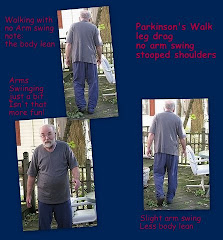
Walking and arm swing - did you know that it takes more energy to walk with your arms still than to swing them? Arm swing helps to counterbalance the body - keeping your hips from twisting too much. It has been learned that if you walk with the leading leg and the arm swing on the same side of the body (think Pacer in horse racing) it actually requires 25% more energy than a normal walk with leading leg and opposing arm swing. So where is it in the brain? As evidenced by DBS surgery and possibly PD levodopa treatment, upper arm locomotor synergies are influenced by the basal ganglia.

Steve has been taking a different form of Creatine for the last few weeks and has regained a small amount of arm swing on that PD side. Although we switch brands of supplements from time to time, we're going to be sticking with CreaSol, a flavored powder which is mixed with warm water. It is the micronized form of creatine monohydrate which is also available at about 1/2 the price, although a bit tricker to dissolve.


Ayruvedic medicine promotes walking as an activity which will bring the various energies of the body into balance. Walking is low impact and considered to be a healthy activity for all body types. We're glad to report that Steve has started taking walks again. This means that he has been reporting back on the garage sales and who is setting up a wedding tent in the back yard. Walking can be very valuable.


We know that the rhythm of the dance apparently helps people with PD move in ways their condition suggests they can no longer move. How do You walk to music? We know that music is an anxiotic -an anti-anxiety aid. We know that music can actually have analgesic properties. It can decrease heart rate, respiration rate, and blood pressure. Music has been used for therapy since early times. Rhythm is just one aspect which seems to be very helpful in PD. If you don't want to get out of that chair, listen to the music.

So what about melatonin, the nighttime hormone produced by the pineal gland? Is it just another push-me-pull-you of PD? Exposure to sunlight suppresses melatonin production. Melatonin release then inhibits the release of dopamine in specific areas of the central nervous system (hypothalamus, hippocampus, medulla-pons, and retina). It is possible that this in turn plays a role in the causation of PD since inhibition of dopamine will have consequences on bodily movements. Although the antioxidant effect of melatonin may offer neuroprotection for mitochondrial activity, the inhibition of dopamine release is not a goal of PwPs.


CoQ10 and Parkinson's disease. OK, CoQ10 trials have come to a halt. Co-enzyme Quercetin 10 does not slow the progression of PD. Steve found that it definitely made him feel better in the early years of his PD. He found that it did help with tremor easing. Did he think it was slowing progression? He felt that it was helping with symptomatic relief. And that in itself is significant. We need larger studies in the improvement of PD visual function because another small study had positive results.  Moreover, two studies for cardiac patients had positive results. In one CFS study, patients who took CoQ10 demonstrated a serious reduction in congestive heart failure symptoms and had required fewer hospitalizations. One heart transplant patient study had only minimally positive results while a shorter, smaller study had some positive results.

Steve and Rita on a walk in the park
Rhinorrhea or Rhinitis is increased in PD. Who would think that a runny nose would be symptomatic of PD but according to Dr Joseph H Friedman, that is exactly the case. They have not determined whether it is related to olfactory deficits as well but it is not only a symptoms but it can be a precursor symptom as well. I've noticed the increased need for throat clearing due to post nasal drip with Steve. Once he's done that, it is much easier to understand him when he speaks. Rhinorrhea in Parkinson's disease by Dr Joseph H Friedman, MD Rhinorrhea: a common nondopaminergic feature of Parkinson's disease.

Seborrhoeic dermatitis - autonomic symptom - immunodeficiency - aloe vera or coconut oil - crude diluted honey - avocado extracts and supplements such as lactobacillus, B vitamins: B7 (biotin), B6, B2, B3. Alternative treatment= apply milk of magnesia to face or scalp when showering (rinse off at end of shower)

Autonomic Neuropathy a form of peripheral neuropathy, is found in symptoms which occur when there is damage to the nerves which regulate blood pressure, heart rate, bowel and bladder emptying, digestion and impotence. So that helps to explain the Pd symptoms: constipation, urinary incontinence, urinary hesitancy, incomplete emptying of bladder and yes, RLS. It also helps to explain postural instability or dizziness upon standing or sitting up, hyperhidrosis (excessive sweating, difficulty swallowing.

In Parkinson's disease concerns are very real. Falling, weight loss leading to malnutrition, dehydration and electrolyte imbalance, choking. although rarely mentioned there is also a risk of kidney failure caused by urine back up accompanying incomplete emptying of bladder.


Steve loves marigolds
Which leads us to the symptoms of kidney problems which can lead to kidney failure if untreated. Headaches, aches and pains. Feeling tired all of the time. Loss of appetite. Bone and joint issues, itching and restless leg feeling. One problem is that a lower backache can be the only symptom and is associated more with stiffening muscles that with a kidney infection. It might be ignored. Anemia can develop because the red blood cell count is low. Low red blood cell count = low oxygen levels for cells. Insomnia/daytime sleepiness. The basic problem is that UTIs are common in latter stages of PD when organs begin to shut down and when catheters have become necessary. It is important for caregivers to be on the lookout for the signs.

Exercise aids - we've talked about the portable assisted pedaler in a previous post. We'll add the findings of other PD users as the reports come in. If you can  find a therapy center or club which has forced exercise on its program, join it! 

Voice Exercises - in the comfort of your own home, you can take Mary Spremulli's Voice Aerobics class on DVD. She also as Songbirds in an audio CD and offers The Breather to aid in breathing in and exhaling. Mary is a medical speech-language pathologist who has many years of experience in her field. Visit her website to learn more, you won't regret it.

On 9-18-11 we were sent a link for a pocket sized breathing exerciser:

Respiratory Muscle Strength Trainer, a simple hand-held device looking very much like a large whistle. Regular use should help improve the strength of the muscles used to inhale and exhale. Most everyone remembers having a whistle as a child. This devise might appeal to the aging but young at heart and demonstrate important therapeutic results.

Thursday, August 20, 2009

A Day with Parkinson's Disease

Typical day in life of this 6 year PD patient

I slept during the night from 10 pm till 7:00 am waking up along the way at 1:30 and 4:00 am for trips to the bathroom. My cane is near the bed so that I can reach it in the semi-darkness.

At 4:00 am, however, the bedroom curtains turned into unknown creatures although they didn't prevent me from going right back to sleep. I've been visited like this before. These minor hallucinations which are actually illusions which my mind misinterperts from the room furnishings occur occasionally to plague me.

I stopped getting the bad, heavy duty hallucinations, the side effects of Mirapex and Selegiline when I discontinued taking them three years ago. Back then I saw and heard people, conversations, things that might have been but weren't. I thought they were gone for good but still every once in a while I have the illusions. Often I'll lie in bed for an hour thinking about our bills, medical insurance and work which needs to be done on the house and fall asleep.

7:30 am - I wake again and awkwardly dress myself, letting Marge sleep a bit longer. She is usually up and back at the computer after feeding the cats and dogs but not today. I make myself a giant cup of coffee - it's PD medicine too - and carefully climbed the stairs to the 2nd floor where we have our office. I still need to put up the hand rail for those first three steps. I have all of the parts but I am afraid that I may no longer have the ability. I should have done it years ago.

9:00 am - I am taking my meds and working on my plan to deal with my constipation. I will drink a lot of water and eat some fruit...and hopefully some chocolate - hidden by my wife so that I don't overdose. This problem goes with Parkinsons for most people, but since I went on the low-gluten diet about a month ago it's gotten worse. I made a promise to give the diet a fair chance - 90 days - so I have to stick with it for now. More fiber may be the best solution but chocolate does help.

10:00 am - Supplement time. Between the supplements and meds, I open 25 different bottles every day, most in the morning, a few more in the afternoon and some before going to bed. When I'm going out I take the afternoon pills with me. Our current health plan mails a renewal reminder well in advance so that I am no longer rushing around when I realize that I am near the bottom of the bottle.

10:30 am - I've read my email and now I'm going to take a shower using my latest PD addition: a shower/tub seat. I find it a bit difficult to negotiate my first leg past the seat but the other leg is no problem. It's going to take practice until I become comfortable. We'll probably add a grab bar to the side of the tub. I don't want to fall, the tub is cast iron, but then, that's the point: the plastic seat will protect me. I have only had one minor fall since my PD diagnosis and that was in my bedroom not the bath. I take my first shower siting in a shower seat and even though I know I need to, it makes me feel like an old, old man.

12:00 pm - 6 days a week I go to a therapy center where I workout on Nautilus machines for an hour and/or sometimes swim. It is here and at my monthly support group where I meet other people who are suffering from Parkinsons. Yesterday I shared my feelings with Danny, another PD patient whose PD is more advanced than mine. Danny gets around pretty well with a walker, he just needs some help getting started. We sat side by side riding recumbent bikes and talking about how much we missed our jobs and the friends we had worked with.

When we leave the therapy center we try to run an errand or two but often I wait in the car because I am not comfortable walking in crowds of people.

5:00 pm - I have a no or low-gluten dinner. I want to keep active so I try to be working on at least one blog article at all times as well as keeping up with the vacuuming, checking on the painters, cleaning my bathroom, and whatever I can do around the house.

Unfortunately when I am feeling depressed it's hard to do more than sit right here reading the news online or on TV. I try to watch Jeopardy ever night, I know it is good for my brain. And then I spend the rest of the evening alternating between entertainment and reading about more PD developments.

Tuesday, June 2, 2009

Dressing for Parkinson's Disease Can Be A Snap

Adaptations for daily living injuries, neuro-motor, autoimmune diseases
Here's the thing, when you are on the PD journey there are going to be some bumps in the road, potholes and detours, sinkholes.

There are ways to make the day run more smoothly. Yes, I know you hate starting the day with the same meds routine just so that you can make it through the rest of the day. You guys should be glad that you only have to brush your teeth and your hair, you can always grow a beard if you don't want to shave but at least you don't have to put on makeup as well or lop off your hair because it is too difficult to curl/straighten/wave/mousse/defrizz/blow dry/whatever.

Getting dressed - there are a few speeds for that and none of them is out of 2nd gear. My husband allows 30 minutes for putting on clothes although it only takes him 15 or 20 minutes to do something which used to take less than 5 minutes.

Why so long? You know the answer - stiffness - a hand that doesn't work well any more - pulling when he should be easing off - trying to make the clothing behave to his will rather than going with the flow. And having someone remind him to ease off, to use the mirror to see what is skewed, twisted, backwards doesn't help. Because it isn't fair, getting dressed should be easy and it shouldn't beat you up.

People forget that in the pre-PD days they used to ask for help with a tricky cuff button or a sticky zipper. So what? Because now you have to sit to put on a pair of jeans and if they aren't shaken out just so, they won't let your legs in. And you fight the jeans as if they were the illness.

Getting dressed should not have to be a destination.

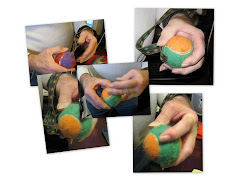
You can flex your fingers every day by practicing on buttoning and unbuttoning or picking up small pieces of pasta, squeezing a ball between your fingers, typing, playing the piano or scritching the cat.

You can try alternative clothing or dressing aids, snaps instead of buttons, velcro instead of zippers, prebuttoning cuffs, zipper aids. They're out there.

Laces too difficult? Slip-on shoes may not provide the safest support but velcro securing a slip-on style does. Go with the flow.

And one of the things we found is that there are some sites with very helpful items to make the daily routines just brief stops along the day. Lo___ng handled combs and brushes. Deep soup spoons with rims to prevent spillage from a shaky hand. Cups that limit the amount of fluid, prevent spills and allow room for your nose. Bath & shower chairs, adaptive kitchen aids which allow for a fist grip and one handed use.

We change and then we adapt in order that everything does not have to change as much.

Links to online stores which sell adaptive items:
The thought and consideration that has gone into the design of many of these items is impressive. These make good gifts to yourself and to others.
The Elder Store.com
Life Solutions Plus
Wright Stuff
RehabMart.com
Freedom Living Devices
Active Forever


We'd love to hear your adaptations - send an email or post a comment below

Wednesday, May 13, 2009

Step out with Parkinson's Disease

Walking Aids for PD
If you're a regular reader you know that Steve walks with a cane for maintaining balance and especially to support his arthritic knee(s). The cane is used in public and around the house. The cats are careful but sleeping dogs are often in the way. While the dogs don't jump up to throw him off balance, they usually remain stationary unless instructed to move. Their decision to lie still seems to be made either because they know they mustn't move suddenly or because they don't realize that they are spread across a hallway or blocking a narrow passage in our office.

Steve has no problem with gait freezing so he can use a regular cane, purchased not for beauty but for adjustability and economy. Early on when his cane use was arbitrary, he used to misplace them. He'd walk into a room with a cane but leave without it. Later the cane would be "lost." So we bought several including a folding cane for airplane use.

For those who need more balance support, there are four-footed style "quad" canes which provide that extra stability. There is a "couch/recliner" cane with a skid proof base and extra long grips to help one rise from a sitting position. A cane will support about 25% of your weight.

For those with gait freeze, there are laser canes which assist the PWP (person with Parkinson's) by shining a red laser light across the path to break the freeze and direct the next step. The canes are adjustable and battery operated. They cost between $225.00 and $275.00.

There are adjustable walkers with padded backs and seats, baskets and brakes. These have weight capacities between 250 to 400 pounds and sell for between $150.00 and $200.00 plus shipping. Walkers can support up to 50% of your weight.

The U-Step walker is exactly what you would expect, a solid walker complete with a seat for about $550.00 and up plus the add-on laser for $200.00. It has dead-man brakes which will also lock the wheels so that you can sit when necessary. The padded seat lifts to provide access to the basket. It is the laser light add-on which makes this walker unique. More expensive than a verbal cue, turning a cane upside down or a wadded piece of paper dropped as a marker, it is also practical for those with more advanced walking issues.

Currently there is an open label clinical trial NCT00320242 in Phase III sponsored by Beth Israel Deaconess Medical Center in Boston to assess the efficacy of visual cues of the laser cane or the U-Step Walker with laser accessory for PWP with gait freeze. The trials are located in Boston and at The Neurological Institute of New York at Columbia University.

There is also a Virtual Reality device available at a significantly higher price from two companies. Medigait LLC has two models for assistance. The less expensive model, the GaitAid Auditory Walker, provides a signal through the headphones depending upon foot placement. The goal is to create a ryhthmic and longer stride. The GaitAid Virtual Walker includes the auditory tones while the user wears see-thru goggles which superimpose a grid pattern on the floor. It is reported that there is a serious improvement after just two practice sessions of 30 minutes each. The figures vary but are a testament to the plasticity of the brain and the ingenuity of scientists and researchers. These goggles are meant for (re)training purposes only and are not worn on the street.

Apparently still in pre-production is the brainchild of Tom Riess, a podiatrist with PD who developed spectacles - augmented reality - which are now known as a visual cueing system. He sold the concept to HMD Therapeutics who in turn licensed it to Enhanced Visual Systems. Unlike the GaitAid Virtual Walker, these glasses appear to fit over even very large eyeglasses.

Loss of mobility is a serious problem for PWP but having aids can be a quality of life-saver.

Clinical trial:
NCT00320242 is a can't lose clinical trial since it is open label and is a comparison of efficacy of these gait freeze aids.
http://clinicaltrials.gov/ct2/show/NCT00320242
Interesting reading:
http://portal.acm.org/citation.cfm?id=1498190
How to use walkers and canes:
http://orthoinfo.aaos.org/topic.cfm?topic=A00181
Kinesia Paradoxa or gait freeze
http://www.hitl.washington.edu/publications/prothero/node13.html
Detailed information on virtual reality glasses
http://cordis.europa.eu/ictresults/index.cfm?section=news&tpl=article&BrowsingType=Features&ID=57062
Specifics on the visual cueing system and Kinesia Paradoxa in Parkinson's disease
http://www.rehab.research.va.gov/jour/07/44/3/pdf/kaminsky.pdf
You'll find a video here:
http://www.sciencedaily.com/videos/2007/1201-glasses_help_parkinsons_patients.htm