Showing posts with label Parkinsons. Show all posts

Sunday, February 14, 2010

What is Parkinson's Disease?

PD Basics
 
Medically
Parkinson's disease is a chronic, progressive neurodegenerative disease - meaning, according to the CDC, that it will last longer than 3 months or in this case until death do us part.

It has the 2nd highest number of neurodegenerative disease patients; only Alzheimer's is higher. It is estimated that there are almost 1.5 million people who have PD in the US alone and more than 5.5 million globally. The numbers point to more men than women developing PD and to more whites with PD than Black Americans of African ancestry, Africans or Asians.

Parkinson's is classified as a motion disorder and is treated by specialists in movement disorders. The original diagnosis should be made by a neurology specialist.  There is also a significant number of non-movement symptoms as well; and some of the precursor symptoms are not motion related.

A rose by any other name 
Parkinson's disease has been called many things. Paralysis Agitans has been called a disease of old age.  While younger people can develop it and do, it more commonly develops in late middle age with the odds increasing every 10 years of age up to 89.

It has been called a disease of sleep disorder and of depression.  Of course everyone knows its modern history when it was called "the shaking palsy" by James Parkinson in 1817 and subsequently named after him a few decades later by Jean Martin Charcot who also studied the condition.

Parkinson's has also been called a prion disorder by Dr Stanley Prusiner because of the alpha synuclein pathology.

Historically 
The disease has been known for centuries.  PD has a documented history dating back about 5,000 years in India where it was known in Ayruvedic medicine as Kampvata (severe body shivers). 2,500 years later its symptoms and treatment were described in China. A specific genetic line has been followed from China to the US. The disease appears to have been identified in Greece in around 800 BC and certainly by 310 BC it was known and studied. It was described in Rome about 2,000 years ago. It was later described by the Greek physician, Galen, about 1,800 years ago.

How will I know?
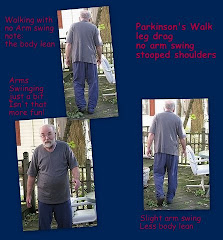
The disease begins to manifest early in many people with seemingly unrelated symptoms such as diminished sense of smell (partial usually), depression, sleep disorders, foot or leg drag and lack of arm swing when walking.  In some people it can manifest as smaller handwriting (microphagia) and in women as pain in the neck or shoulders. About 75% of people with PD begin to have tingling or tremors in the extremities on one side of the body as a symptom which eventually sends them to the doctor for a diagnosis.

The tremors and actually most of the above precursor symptoms manifest because of chemical imbalances in the brain. Parkinson's is usually diagnosed after the death of about 60-80% of the dopamine neurons in the substantia nigra pars compacta of the basal ganglia.  But before PD can actually develop a significant number of norepinephrine neurons must die also.  As a precursor of norepinephrine, dopamine is the target area for PD treatment.

The predominant motor symptoms are defined by the acronym TRAP.  Tremors, Rigidity, Akinesia (Bradykinesia) and Postural Instability all movement related. 


What's Going On?
Essentially it is the lack of balance or homeostasis between acetylcholine (which is in its normal abundant state) acting as an excitatory neurotransmitter and the diminishing supplies of the primary monoamine transporters dopamine, norepinephrine and serotonin, which serve as a message inhibitor. In other words the acetylcholine instructs the muscle to act or tense up while the dopamine sends the message to relax.
When the relax message cannot be sent as often, the rigidity and stiffness, the tremors and dyskinesias which typify PD, are seen. The stiffness can result in cramping and a little discussed symptom of Parkinson's known as pain. Usually treating the symptoms will relieve some of the physical pain.

Although the norepinephrine tries to take up some of the slack, there are fewer norepinephrine neurons in the brain to begin with and so with fewer precursor cells to make it, it too has been degenerating.

The why of dopamine cell death is being researched now and although there are some differences of opinion, it is thought that the cells die possibly when excess calcium in the cell causes the dopamine to leave the vesicle too early to be used and by hanging around in the cytosol it combines with alpha synuclein to become a gummy mess and ultimately die.  Dopamine continues to die throughout the course of Parkinson's disease.
 
It's not all in the family 
The disease is not contagious and at this point has only been identified as being about 15% or at most 20% genetic. Because there are several genes which have proteins mutations (doubled or triples) associated with PD and because they are each more common to specific geographic areas for specific gene lines although there are almost certainly trade route connections and migration or emigration patterns.

Despite the genetic research for PD, it is still called an idiopathic disease because the primary cause is unknown. There is YOPD, young onset PD and Juvenile Parkinson's both of which are felt to be predominantly genetic in origin.There are also other categories such as LBD or Lewy Body disorder which can occur before Parkinson's with parkinsonian symptoms developing later as well as PDD, Parkinson's disease with dementia in which the PD occurs first.

Even the genetic cases in older adults appear to have an environmental trigger. Parkinson's symptoms can also be drug induced. Other triggers include severe head trauma, certain heavy metal exposure, certain chemical exposure. It is difficult to establish if stress is an early contributor or a body reaction to the subtle loss of homeostasis.

When the cause is genetic, Parkinson's can be autosomal dominant or autosomal recessive. There is no reason to cast blame as the genes can be hiding in the woodwork just waiting as the disease can skip generations.

We Are the World 
There are other areas of the world which appear to have a lower incidence of Parkinson's disease. That may be due to a few different reasons, however, there are places where there is a high prevalence due to oddities of diet which cause parkinsonism if not PD.

PwPs around the world are generous in sharing their experiences with others.  Support groups abound and fund raising never stops because so much funding is needed to support research for better treatments and cures.

There are signs everywhere
Parkinson's is also known as primary parkinsonism because it appears to be a collection of symptoms which manifest in different ways and combinations in different people. Parkinson's is a disease which can cause any combination of the symptoms.

Tremors, slowness of movement (bradykinesia), stiffness and rigidity, swallowing and choking issues, change of voice, lack of facial expression, dyskinesia and dystonia (especially as a medication side effect) leg drag, lack of arm swing, urinary issues (such as incontinence, urinary frequency and urinary hesitancy) constipation, erectile dysfunction, dental problems, vision issues, loss of sense of smell, depression and apathy, hallucinations (usually a side effect of medications) dementia, cognition issues, drooling, breathing problems, postural instability, parkinsonian gait, freezing of motion, microphagia, change of skin condition (dry, oily) and the list goes on.

Symptoms and disease progression of the disease result in the inability of the patient to perform tasks of daily living and eventually unable to feed themselves or eat.  The end stage symptoms can require feeding tubes and nursing homes.

One unusual feature of the disease is that many of the physical symptoms begin on one side of the body only, unilaterally.  Tremors are usually resting tremors, meaning that the person is not initiating an action.  As the disease progresses, the symptoms begin to appear bilaterally.

Can we make a difference?
Certain treatments can delay the progression of the disease.  Slowing the progression of all PD cases is crucial.  Some people have a slower progression of the disease than others but until there is a cure, the slower the progression, the better the quality of life. Other medications target specific symptom relief via dopaminergic action.

What Parkinson's becomes is an insidious disease which can steal normal body function from people and replace it with huge expenses, create additional family stress and adjustment, subject people to public ignorance and ridicule.  It is also amazing to know that it is a disease with a surprisingly low suicide rate, surprising when you consider that at least 40% of PwPs have PD depression. But it is also a disease of hope.

Although current medications and therapies help to relieve symptoms or slow progression, different people respond in different ways and much attention to detail is required by both patients and physicians. Patients and their caregivers learn to be their own best advocates, with special thanks to the printers attached to their computers.

Is there light at the end of this long tunnel? 
There is much ongoing research by some of the best scientific minds in the world. At least one medication in the pipeline shows serious promise.  More is being learned everyday as scientists worldwide are exploring and sharing small and large aspects of the causes, treatment targets, improvement of existing treatments. While the cure may be years or a couple of decades away, the body of knowledge is increasing and with it the hope that when the cure(s) are found that the regulatory bodies will fast track them for the people who have lived with hope for so long.

2014 Addendum:
It is now known that there appear to be two types of Parkinson's disease. The first type is the one which we commonly identify with the disease and that is motor symptom predominant.  The other type, the one in which medication should be initiated as soon as a diagnosis is made is non-motor symptom predominant PD. The latter can be a real fooler because the symptoms are subtle, easily attributable to other conditions.
We've all read the warnings about beginning L-dopa treatment early because the wearing-off times can begin often with even worse motor side effects, but in non-motor symptom predominant PD, there isn't a minute to spare.
At the time of the original posting of this article, this information simply was not available.

Thursday, January 28, 2010

Parkinson's, a Disease of Shortages

Help to find Sinemet, Plus and Sinemet CR for PD during the current shortage
Everywhere we look we can read that PD is a chronic progressive neurodegenerative disease which manifests because of a shortage of dopamine neurons in the brain thus causing no shortage of motor and non-motor symptoms.  So shortage is no stranger to the Parkinson's disease patient and we've talked about many of those for months.

We haven't talked from personal experience about levodopa-carbidopa (Sinemet) as a symptom relief treatment for Parkinson's disease.  About 8 weeks ago Steve began taking levodopa-carbidopa.  He is actually on a fairly low dose which seems to help a great deal with stiffness, a bit with tremor and not so much with weakness but he still hasn't titrated up to the full prescribed dosage - we're on hold for a totally different reason because we don't want to.
 
What we have seen is that you can set the clock by the wearing off because he immediately asks if he is due for any medication even waking from a sound sleep. But there are no side effects other than feeling somewhat drowsy.

It was his idea to take levodopa-carbidopa and his neurologist agreed to write the prescription. He has not reached the point where he needs a higher dose to be effective and so he has no reason to take the controlled release (CR) form for a steady, continuous delivery.  And because the first morning dose of the timed-release pills may actually take much longer to start working, we hope that we will be able to control the stiffness with the generic version.
  
Many people who require the steady release over 4 to 6 hours and many of these people will be affected by the shortages of:
  • Sinemet tablet 12.5/100 mg
  • Sinemet CR tablet 50/200 mg
  • Sinemet Plus tablet 25/100 mg
These product shortages were announced by Bristol-Myers Squibb Pharmaceuticals Ltd in August 2009 and by Merck Sharp & Dohme Limited (MSD) in October 2009. The shortages are expected to last from 2010 through 2011.  If you're not sure it your pill is on the list, you can check the European Parkinson's Disease Association chart.

The product distributor, Bristol-Myers Squibb indicated in an August announcement that there were packaging issues which would cause a three week delay. 

Also announcing a shortage was Apotex, Inc for the generic Apo-Levocarb CR (200/50) available in Canada but now discontinued. Patients are encouraged to consult their doctors for treatment alternatives. Bristol-Myer Squibb is the distributor for Merck, supplying to Apotex. When announcing in Canada, no reason was provided, however other reports suggest that consumer stock-piling was already in progress creating a short supply.

The good news is that many generic versions, usually slightly weaker, still appear to be readily available, so it is not time to panic if you are using the medication for Parkinson's disease, parkinsonism, encephalitis caused parkinsonian symptoms, carbon monoxide or manganese poisoning.  Just how long this will last is unknown.
Merck has explained that the issue is not one of safety but rather a change in the supply source and the time frame required for proper jurisdictional approvals.  Because of contractual obligations, some markets may fair better than others.  Because of the length of time for regulatory approval, the wait time is uncertain.


People who are already taking Sinemet CR, Sinemet Plus of Sinemet 12.5/100 and are concerned about not being able to renew a prescription can call one of several numbers worldwide to speak to the customer relations department at Bristol-Myers Squibb Pharmaceuticals Ltd (800) 332-2056 or at Merck Sharp &amp Dohme Ltd or the parent company Merck & Co, Inc. 

The following countries have offices which you can contact at the Merck links above:
Argentina, Australia, Austria, Bahrain, Brazil, Canada, Chile, China, Columbia, Costa Rica, Croatia, Denmark, Ecuador, Egypt, Estonia, Finland, France, Germany, Greece, Guatemala, Hong Kong, Hungary, Iceland (see: Denmark), India, Indonesia, Ireland, Israel, Italy, Japan Korea, Kuwait, Latvia, Lebanon, Lithuania, Malaysia, Mexico, Netherlands, New Zealand, Norway, Oman, Pakistan, Philippines, Poland, Portugal, Qatar, Romania, Russia, Saudi Arabia, Singapore, Slovakia, Slovenia, South Africa, Spain, Sweden, Switzerland, Taiwan, Thailand, Turkey, UK, United States, Venezuela, Vietnam.
If you live in the UK, you can make sure that your physician has the following number:+44(0)1992 467272.

Thus far we have not seen warning for the other L-dopa/carbidopa combination medications.
Just a few reminders in case you are having an issue locating a supply:
  • You can not split a timed release tablet    
  • You could have a withdrawal problem if you simply stop taking the medication; consult your physician about a lower dosage prescription in order to titrate down.
And if this isn't bad enough, there is also going to be a shortage of Eggos until mid-2010 due to flooding at the Atlanta bakery in October, 2009.
~ ~ ~ ~ ~ ~ ~ ~ ~ ~ ~
Addendum
Per information from the American Society of Health-System Pharmacists"

Back on February 23, 2010, GlaxoSmithKline (GSK) had acquired Reliant and announced that DynaCirc CR had been unavailable during the transition period. The 5mg and 10mg pills are available now.

Activis Group did make some changes in isradipine packaging. The 2.5 mg 100 count package is no loonger but the 60 count is available to pharmacies. The same is true of the 100 count 5mg package. Now only 60 count packages are available.

Watson Pharmaceuticals, which was formerly Cobalt, has isradipine available in 2.5 mg and 5 mg 100 capsule counts.

For those who have been taking the CCB Nimodipine, that shortage has been resolved.

Monday, January 25, 2010

Titration and Parkinson's Disease Medications

Withdrawal happens - it is not punishment for taking bad drugs
Loosely related ramblings
There are several types of medication which require a low, steady buildup to the necessary effective dosage. You doctor advises you, the pamphlet you get from the pharmacy will tell you and so will the online sites for that drug. Sometimes in our hurry to switch from one medication to another, it is easy to forget that if you go up slowly, you need to titrate down in a similar manner in order for your body to adjust. And that even if you don't, your body has built up if not a dependence, at least a familiarity with the medication that requires recognition.

While titration downward may cause some symptomatic issues, in the long run your body will thank you. There can be some serious conditions resulting from an abrupt withdrawal. Titrating down from any medication you are discontinuing may be a general rule of thumb until more research is conducted. But there is sufficient research on many meds.

A few weeks one of Steve's doctor prescribed a medication with which I was not familiar. Actually I didn't understand the name he said on the phone and figured I'd just look it up once I had the bottle in hand. (Let that be a lesson to me about being intimidated by an impatient doctor.)

Once home from the pharmacy I began the online search and discovered that this medication could not be taken within 14 days of having an MAOI in the system. So this was not the medication for Steve because he was not giving up the Azilect (an MAO-B inhibitor) which he has been taking since soon after it hit the US market. Although this is a new doctor for Steve, I had provided him with a written list of all meds and regular supplements as well as all symptoms and current issues but he just missed this call. It is important to do your own homework.

A longer time ago than I care to realize, we switched our son from a pediatric to an adult medicine doctor because the peds doc and I weren't in sync. We disagreed too often for either of us to be comfortable. And the worst thing is that I was right far too often. I cite the last incident as an example.

It turned out that a sad prior experience shared with me by our beloved Veterinarian over a distemper puppy from the pound. What we learned about pediatric medicine taught us both about how rapidly respiratory issues can turn on you.

In this case I felt that a sudden temperature shift had turned on my son and I wanted his meds switched immediately. The peds doc disagreed. So off we went to Xray. Brought the pictures back to the nurse and we waited and waited in the room designated for such things while the doc read the Xrays and wrote a new prescription because that was what the Xrays told him was needed. Being right didn't help because the peds doc acknowledged it in a surprising way. He left an anxious mother cooling her heals while a very sick child lay on the bench struggling to breathe and with a rising temp for a very long time. Ostensibly the doc was studying and considering while we waited for him to tell us what he had seen and what could be done.

Instead of meeting with us personally, he actually left the building for lunch. He'd told me off earlier so rather than face me, he made tracks. Finally I ventured through that closed door through which one is not supposed to travel unless invited, found the nurse and was handed the new prescription with no other explanation. And our son, of course, got better.

There are a few points to that story. Be proactive - Don't sit and wait. You or your family member are your only patient, the doctor has plenty. Only you can get things moving. Don't just sit there.

But the story doesn't stopped there. I moved our son to adult medicine and shortly thereafter took him in as a followup. He came out with a prescription for prednisone.

Anyway here was this young boy who had been prescribed a heavy-duty medication and a few weeks later I realized that the bottle was still fairly full - too full. I asked him about it when he returned from school. He said the doctor had told him that he had to ease his way up - take the medication - and ease his way down. So he had titrated up, didn't like the way the steroid made him feel and promptly titrated his way back down.

Just so you know, why didn't I know about what the doc had told him...because at the first appointment this favorite human doctor had gently closed the door in my face saying, "Mom, this isn't Peds - this is adult medicine and you aren't invited." Although I never regretted that move as it served our son well, it did teach me many years later, that when its PD, I want to be in the room. (And to make sure that Steve has signed the necessary release for me to discuss issues with his doctors.)

So that was how I learned about titration. From our pre-teen son.

Ken in England, who sends us links of interest, recently sent us one about DAWS.  Dopamine Agonist Withdrawal Syndrome.

Steve reports that when he discontinued the Mirapex, he told his doctor that he was going to titrate down and his doctor told him how to do it. He reports that you should be able to tell if you are titrating down too rapidly; that if you are cutting back to fast your body should respond. Steve was discontinuing Mirapex (a dopamine agonist) and Selegiline (an MAO-B inhibitor) because he had problems with impulse control disorders (ICDs) and hallucinations as serious side effects of the medications. In Steve's case he was not taking levodopa because that was not his first drug of choice and the Mirapex and Selegiline were working well in controlling symptoms.

Reducing dosage of Parkinson's drugs can cause symptoms similar to those of cocaine withdrawal was a study by Dr Melissa Nirenberg and Christina Rabinak at New York-Presbyterian Hospital- Weill Cornell Medical center NY, NY.  What is interesting about this study is that it not only focused only on the ICDs, such as shopping, gambling, eating, hyper-sexuality or sexual behaviors, but also focused on levodopa with the implication that there could be an addictive relationship because of the reward implication of the mesocorticolimbic pathways.

The withdrawal symptoms can be diarrhea, dizziness, anxiety, irritability, agitation, chills. Withdrawal symptoms usually abate but they can be confused with other medical or psychiatric causes.

Dopamine Agonists are not the only meds to watch if discontinuing. SSRIs, Selective Serotonin Re-uptake Inhibitors used as antidepressants to treat depression can do exactly the same thing. And, because they can induce more profound detrimental side effects in a Parkinson's patient, are often discontinued. Caution must be taken when titrating down. You should read more about Discontinuation Syndrome is you plan to discontinue your SSRI.

PwPs may have other medical conditions being treated concurrently. It is important to be aware of all interactions so that adverse affects can be monitored and discontinuation done properly.

There is actually a serious life-threatening condition known as Neuroleptic Malignant Syndrome which can result at both the onset of adding a new drug or the abrupt cessation of certain prescription medications. Making proper titration up and down all the more important.

Withdrawal symptoms are not punishment for people who do illegal drugs, they can happen to anyone.

Additional reading:
A good explanation for the study can be found in another study. Dopamine agonists influence learning and striatal reward prediction errors in PD patients with compulsive disorders

Wednesday, December 23, 2009

Parkinson's disease Updates for Cogane, Neupro Patch, Droxidopa, Lu 02-750, and Azilect

In the news and demonstrating the need for a PD pipeline fast track through the FDA

As of 12/09/2009 Phytopharm has raised the money needed to bring Cogane to Phase II trial in the first half of 2010.  The results for the Phase II trial of Cogane, the neurotropic factor which uses both GDNF and BDNF to cross the blood brain barrier, are expected in 2012.

Another announcement is that Cogane will be tested for Huntington's Disease.

Phytopharm stock is doing well.
~~~~~~~~~~~~~~~~~~~~~~~~~~~~~~~~~~~~~~~~~~~~~~~~~~~~~~~

For all awaiting the return of the Neupro Transdermal Patch, here's the latest news from UCB, the global biopharma. After the crystalization recall and subsequent removal from both the European and the US market, many patients who had found relief from this unique molecule which helped patients improve against a broad range of day-night symptoms by maintaining a constant plasma level to relieve motor symptoms, sleep problems and morning akinesia (limited motion) were with only enough supply to titrate down.

The patch was approved by the EMEA (the European Medicines Agency) for approval to return to the European market by the summer of 2009 and there are 33,000 PD and RLS patients who are using it in Europe; however, the Neupro rotigotine patch is still not available in the US.

A year ago in December 2008, UCB submitted their response letter to the FDA. 
In June of 2009 am extensive update on the cold chain data was submitted to the FDA.
The dialogue continues and it is expected that Neupro will be made available to US patients in 2010 according to UCB.

We've supplied a link to one online pharmacy which will fill a prescription request and other readers have supplied links to others in the comments sections of previous posts.  If you're looking for the Neupro patch, check these posts and their comments sections.

June 2010 Neupro Patch Update:
With the blessing of the FDA, UCB has gone back to the drawing board with the Neupro patch to eliminate the need for cold storage.  The implication of this announcement suggests that it could be as long as 3 years before the patch can be returned to the USA market.
~~~~~~~~~~~~~~~~~~~~~~~~~~~~~~~~~~~~~~~~~~~~~~~~
In the research and the pipeline are other GDNF delivery options. One approach is biodegradable microspheres still in research.  Another is an intranasal delivery in research now studying nasal toxicity and the quantity of the GDNF which reaches the brain.  Ths latter study is still in lab rat mode before moving on to human trials.
~~~~~~~~~~~~~~~~~~~~~~~~~~~~~~~~~~~~~~~~~~~~~~~~
The mixed bag news is that there is motivation to develop new therapies which work better than older, existing therapies. That's good.  In Europe alone, PD accounted for a $1 billion market which is expected to grow to about $2.25 billion by 2015.  Even if a cure is found, there is a growing number of people developing Parkinson's disease as the world population continues to expand and as diagnoses become more accurate (another market in itself) and are done at an earlier stage of the disease...

We'd love to be able to tell you more about a unique dopaminergic agonist being developed but Lu 02-750 is very hush-hush.

In October of 2009 Lundbeck announced the beginning of Phase I clinical trials for Lu 02-750 in a Press release. They anticipate regulatory filing probably after 2011.

Lundbeck is a global pharmaceutical company specializing in brain disorders.  Although headquartered in Copenhagen, Denmark H Lundback A/S has employees worldwide through company acquisitions and development partners.
 
Lundbeck is also developing treatments for AD, Schizophrenia, Freidreich's Ataxia, Major depressive disorder. They also market medications for insomnia.

On an interesting note, Lundbeck is one of the few pharmaceutical companies listing non-medication treatments for Parkinson's disease. 

The development of Lu 02-750 was apparently conducted under the direction of Professor Håkan Wikström who describes himself as a bio-professional geek. Professor Wilkstorm, is on the faculty of Groningen University in the Netherlands and is a co-founder Axon Biochemicals B.V.

About Lu 20-750 it has been reported that "In animal studies, (it is) the drug candidate shown to have a stronger effect on the disease than current drugs."
~~~~~~~~~~~~~~~~~~~~~~~~~~~~~~~~~~~~~~~~~~
News from Parkinsons Action Network about Health Care legislation affecting Parkinson's disease

First, on Saturday, December 19, the Senate gave final approval to the Department of Defense Appropriations bill, sending to President Obama a piece of legislation including $25 million for the innovative Neurotoxin Exposure Treatment Parkinson's Research (NETPR) program.

The NETPR program is the only Parkinson's-specific research program funded by the Federal government.  Advocates must work to secure funding for this program every year, and the Parkinson's community rallied through a tough economy to ensure that the NETPR program did not receive a budget cut
.

The second piece of legislation also took place on Saturday when the Cures Acceleration Network (CAN) Act of 2009, introduced by Senator Arlen Specter (D-PA), was included in the final Senate version of health care reform legislation.  The CAN Act seeks to cut the time between discovery and development of new drugs and therapies.  For some time PAN has focused on this troubling trend. Thanks to Sen. Specter's leadership and PAN advocates who contacted their Senators, a focus has been placed on accelerating tomorrow's therapies and drugs through the development pipeline. 

The Senate expects to vote for final approval of the bill before Christmas, and PAN will work to sustain the CAN amendment during the Conference between the House and Senate.
~~~~~~~~~~~~~~~~~~~~~~~~~~~~~~~~~~~~~~~~~
As of December 14, 2009 Azilect no longer carries the cheese effect warning.
You can read about in the Teva Pharmaceutical Industries Ltd press release
If you haven't read Dr Karl Kieburts comments about the ADAGIO study and the inconclusive results of the 2mg dosage as opposed to the positive results at 1mg, please take a look:
Link to the ADAGIO Study commentary by Karl Kieburtz, MD, MPH
There will probably be another differently drawn Azilect (rasagiline) study of the 2mg dose.
~~~~~~~~~~~~~~~~~~~~~~~~~~~~~~~~~~~~~~~~~
June 2010 COGANE Update
Phytopharm PLC received a USA regulatory approval by the FDA to begin the Phase II Clinical Trial.
Patient enrollment should begin in late 2010
You can read the Phytopharm press release here
~~~~~~~~~~~~~~~~~~~~~~~~~~~~~~~~~~~~~~~~~
Droxidopa from Chelsea Therapeutics International (Nasdaq: CHTP)  Droxidopa is described as a pro-drug to treat neurogenic orthostatic hypotension (NOH)

"Droxidopa provided statistical significance in the treatment of Neurogenic Orthostatic Hypotension (NOH) improving the motility of these patients and reduced their risk of falls with a benign safety profile. These improvements were measured through an orthostatic hypotension questionnaire and corresponding clinical indications"
  • NOH is a drop in blood pressure resulting from deficient release of norepinephrine and is characterized by dizziness, weakness, blurred vision and fatigue.
  • NOH occurs in patients suffering from autonomic dysfunction and movement disorders such as Parkinson's disease, multiple system atrophy and pure autonomic failure.
  • Droxidopa is a synthetic catecholamine that is directly converted to norepinephrine (NE) via decarboxylation, resulting in increased levels of NE in the nervous system, both centrally and peripherally.
In December 2009, a press release announced that a small subgroup analysis of 44 PD patients (all on L-dopa) and enrolled in Study 302, a Phase III withdrawal study, demonstrated a "more robust response compared to the overall population study." 
"Study 302 evaluated the efficacy and safety of Droxidopa, a pro-drug that results in increased body stores of norepinephrine, in 101 patients with symptomatic NOH. All patients in Study 302 were evaluated for functional and symptomatic improvement through multiple endpoints including the orthostatic hypotension questionnaire (OHQ)."

Although Droxidopa is currently on the market in Japan, it is not on the general market in the US.  In 2007 Droxidopa was awarded orphan drug status specifically to treat NOH in the US and in Europe. "for the treatment of symptomatic NOH in patients with primary autonomic failure (Parkinson’s disease, multiple system atrophy, and pure autonomic failure), dopamine-ß-hydroxylase deficiency, or nondiabetic autonomic neuropathy"

Friday, May 22, 2009

ProSavin Update for Parkinson's Disease

Another Next Best Hope for PD

Well if I were in the financial world I could probably tell you more about the Prosavin Clinical Trial I/II progress. The word on the Street is that the Oxford Biomedica-Sanofi-Aventis Collaboration has produced enough cash based upon their lentivector program to carry on until 2012. Actually the money comes on the rights give-back of TroVax, a projected cancer treatment with a possible patent lawsuit which may or may not have been settled. But the word is that the trials for ProSavin are going well.

Just when Phase III will actually begin although previously mentioned for a 2009 start year remains to be seen.

As you know, Prosavin is designed to deliver the genes for three enzmes required for dopamine production. ProSavin carries the genes AADC, TH and CH1 which then convert cells which do not normally produce dopamine to become dopamine producing.

Thus far three patients received low doses of ProSavin and all demonstrated improvement in their UPDERS motor scores between 10-50%. Patients apparently continued to take L-Dopa meds. There is also a high dose study in progress.

Things look encouraging.

The key enzymes:
AADC - aromatic l-amino acid dicarboxylase
aka dopa dicarbozylasea deficiency of this enzyme
is associated with autonomic dysfunction
and is extremely rare
TH - tryosine hydroxylase
CH1 - GTP-cyclohydrolase 1

Additional reading:
The GCH1 gene
From Oxford Biomedica: ProSavin

Thursday, May 14, 2009

Parkinson's Disease Community: Stem Cell Guideline Input Deadline Only 12 Days Away

Now is the time to make your voice heard by using your keyboard

This is easy. On May 2rd we posted the links to both the NIH comment submission form and the Parkinson's Action Network suggested wording template letter to the National Institutes of Health. If you haven't submitted a comment, you have only 12 days remaining to do so.

We thought you might be interested in that the ISSCR, International Society for Stem Cell Research had to say to their scientists in their Draft NIH Human Stem Cell Guidelines Comments Information letter distributed recently.

Consider that all constructive input helps. There is concern that members of the scientific community who are inundated by paper may not take advantage of this window of opportunity. So it is time to forward the PAN and the ISSCR letters to the people we know in scientific fields. Perhaps your doctors would like a voice. The request might come better from you than an organization.

Don't forget, this isn't just about Parkinson's disease, it is about cancers, diabetes, kidney disease, ALS or Lou Gehrig's disease, multiple sclerosis, catastrophic spinal cord injury, heart disease, retinal disease, arthritis, burn victims and many others. It is about the potential to save not only the living but the quality of life. In the long run, it may also be about being able to cut health care costs and prevent the death and suffering of countless lab animals.

In order to be counted you need to click on the article link and in it you will find the next links. The time is here, let's move forward.

Interesting reading

Thursday, May 7, 2009

Neupro Rotigotine Patch for Parkinson's Disease and TMS Clinical Trials for PD - Updates

Updates: Neupro Rotigotine Transdermal Patch
Clinical trials for Transcranial Magnetic Stimulation


We spoke to UCB yesterday about the FDA status of the Neupro(R) Rotigotine (reh tig' ih teen) Transdermal System in the US. UCB is firmly committed to seeing the patch returned to the US market and is actively negotiating with the FDA to determine the next steps.

For those who don't know, Neupro is a patch of the small molecule type (NCE) which delivers rotigotine, a non-ergoline dopamine agonist, on a once daily application. It was approved for treatment of early stage idiopathic Parkinson's disease. The unique aspect of Neupro is that it offers continuous delivery for 24 hours day and night.

Neupro developed a problem of crystallization on the patch which did not interfere with delivery but did require a change in the storage of the product and it was withdrawn from markets worldwide. Patients who had success with the product were distressed. Although Neupro was restored in several European countries, it remains off the US market until the FDA is satisfied.

According to my conversation with Medical Information at UCB, they are very interested in hearing the stories of patients who have used the Neupro Patch. Joanne C in Med Info has indicated that you can share your stories with the company by using the following:
email address at UCB
Please put "Share Neupro - Parkinson's disease stories/experiences with UCB" in the subject line.
The email body should begin: Attn: Joanne C, Medical Information.
Take advantage of this opportunity - they're listening.

If you prefer drop one in the mail box:
UCB, Inc
Medical Information
Attention: Joanne C
1950 Lake Park Drive
Smyrna, Georgia 30080

Here is a link to the original article: http://parkinsonsfocustoday.blogspot.com/2009/04/rotigotine-transdermal-patch-for.html

For those folks looking for information about clinical trials for Transcranial Magnetic Stimulation, here are some additional links to accompany the article posted on 4/07/09

http://clinicaltrials.gov/ct2/results?term=transcranial+magnetic+stimulation+Parkinson%27s+disease&recr=Open&show_flds=Y
http://clinicaltrials.gov/ct2/results?term=transcranial+magnetic+stimulation+Parkinson%27s+disease&show_flds=Y

Monday, May 4, 2009

The Parkinson's Disease Triangle for Dopamine Cell Death

Or being in the right place at the wrong time
We all know about the Fire Triangle. That group of three elements which need to be present for fire: heat, fuel and an oxidizing agent which is usually oxygen. Yes there are also fire squares and tetrahedrons but lets look at how the basic triangle relates to Parkinson's. When you add the chemical reaction to the triangle you have fire. When Fire Investigators look at what's left after a fire they look for the cause and origin, the way the combination of elements led to the combustion.

In Parkinson's disease researchers know that the death of the dopamine producing neurons in the substantia nigra (SN) cause PD but until now, they have not known what caused the cell death. Although knowing that cause may not provide the all answers to the origin, at least it is a significant area for continued investigation and development.

So what has happened in the last few months? Researchers have learned that an imbalance in the PD triangle of alpha synuclein, calcuim channels and cytosolic dopamine itself can lead to the premature death of the dopamine neurons. Imagine a cell - in this case a neuron or nerve cell which can transmit information by electrochemical signaling - it has assigned places for each task. But what if one team member doesn't want to wait in the correct place?  When things don't work the way they are supposed to work, there can be a serious problem.

What these scientific investigators found was that just as there is good cholesterol and bad colesterol there can be good dopamine and bad dopamine or at least badly behaved dopamine. Although the why is not known yet, what is known in the new study is that it is about location, location, location. Dopamine must be contained within a specific area of the cell and not venture out too early.  Where and when the dopamine is within the neuron will be the deciding toxicity factor because if it moves from the inner part of the cell, the synaptic vesicle, to the outer cytoplasm, where dopamine combines with (calcium and) a-syn to become a toxic gunk. Since the cell cannot properly get rid of this mess...Is it the excess calcium which triggers the premature action potential?

So how to get the dopamine to remain within its inner area of the cell until the right time is the question for researchers. And there is updated information coming in 2010.

Addendum:
The player we didn't mention is DOPAL the MAO metabolite of dopamine. DOPAL is a natural toxin which has recently be found in higher levels in PwPs (people with Parkinson's).
Apparently 3,4-dihydroxyphenylacetaldehyde or DOPAL causes alpha-synuclein to aggregate or clump. This would explain part of the problem. A question raised is the relationship of DOPAL to ROS or reactive oxygen species.
Natural Toxins Implicated in the Development of Parkinson's disease

Resources and related info:
http://www.medicalnewstoday.com/articles/148270.php

http://www.sciencedirect.com/science?_ob=ArticleURL&_udi=B6WSS-4W5VS0G-3&_user=10&_rdoc=1&_fmt=&_orig=search&_sort=d&view=c&_acct=C000050221&_version=1&_urlVersion=0&_userid=10&md5=584119172539790fca9149456494469d

The Abstract:
http://www.sciencedirect.com/science?_ob=ArticleURL&_udi=B6WSS-4W5VS0G-B&_user=10&_coverDate=04%2F30%2F2009&_rdoc=1&_fmt=high&_orig=browse&_cdi=7054&_sort=d&_docanchor=&view=c&_ct=1&_refLink=Y&_acct=C000050221&_version=1&_urlVersion=0&_userid=10&md5=d80d423c21d954c84c93716328fd07dc

Synucleinopathy:
http://www.pubmedcentral.nih.gov/articlerender.fcgi?artid=1510951
http://www.nbhope.org/blogs/neuroblastomaresearch/archive/2009/04/21/a-cell-based-model-of-alpha-synucleinopathy-for-screening-compounds-with-therapeutic-potential-of-parkinson-s-disease.aspx

How the brain works:
http://www.aolhealth.com/alzheimers/learn-about-it/how-the-brain-works/a-micro-view-of-the-brain

A glossary of visual links:
How neurotransmitters work:
http://faculty.washington.edu/chudler/chnt1.html

Action potential:
http://faculty.washington.edu/chudler/chmodel.html

Nerve cell transmission:
http://teens.drugabuse.gov/mom/tg_nerves.php

Neurons, synapses, action potentials and transmission of impulses:
http://www.mind.ilstu.edu/curriculum/neurons_intro/neurons_intro.php

Cells, Genes, Functional Genomics and Microarrays
http://www.ebi.ac.uk/microarray/biology_intro.html

New Theory Of Parkinson's Disease Gives Researchers Fresh Ideas For Treatments

Thursday, April 30, 2009

Swine Flu and Parkinson's Disease

How can I strengthen my immune system when I have Parkinson's disease?

Because I worry about things over which I have no control, I worry about the latest flu which is being called Swine Flu (Human Swine Influenza Virus - SIV) although according to an article I just read, it should be called North American Flu because no pigs have been found with it yet and because the genes contain both human and bird viruses as well as two swine viruses. And pigs are susceptible although none have been found with this H1N1 virus thus far.

No matter what you call it, unfortunately because having Parkinsons weakens our immune systems. Parkinson's patients are at a greater risk of dying during an epidemic. There is no new flu shot for our protection now and the one many people got last fall or winter probably doesn't offer any protection either. The earliest date for a vaccine has been said to be next September. There are only two effective antivirals Tamiflu and Relenza (inhaler) and they are in limited supply, so we PD patients need to look to what we can do to increase our own chances of surviving.

Here are a few things you can do to increase your odds of avoiding the latest flu strain. Most of them are things we've been told to do many times before but not necessarily in connection with the flu.

Start or continue a regular exercise program it will help strengthen your immune system. When you exercise you stimulate and circulate the parts of your immune system which give you a better chance of fighting disease.

Eat more green leafy vegetables and fruits and colored vegetables. When you buy vegetables get ones that are locally or organically grown. Ask the sellers if any of their produce is from Mexico or look for labels on shipping boxes. It may not a good idea to buy produce imported from other areas especially Mexico, Texas, California and New Mexico. Addendum: At this time the WHO is indicating that transmission is only through close person to person contact and not through food.

You will read about avoiding sugar and processed foods but that is for diseases such as diabetes, Crohn's disease, organ transplants and liver disease. Other studies from North Carolina and Loma Linda University indicate that sugar can actually give a boost to a stressed immune system.

Take a good quality Omega-3 oil. Make sure your intake of vitamin D is sufficient. You can support your immune systems with other supplements as well:
CoQ10 is the first antioxidant to consider for PD and it is also an imuno-stimulant
Aceytl L-Carnitine is a cell membrane protector
Vitamin A, C and E are antioxidants which support the immune system because of their antioxidant function
Alpha-Lipoic Acid aids Vitamin C and E
An assortment of mushroom extracts enhance the immune system in various ways: Maitake, Reishi, Shitake and Astragalus are all worth considering.
Don't forget about Lactobacillus Acidophilus which help the digestive system maintain a healthy balance - so important with PD whether trying to increase resistance to infection or not.

Options: adding echinacea and goldenseal for a limited time only.
adding zinc is for a limited period - no more than a month at a time for PD patients

If you are really worried: Try to self-quarantine. Go out of your house as few times as possible and when you do, wear a face mask. Wash your hands frequently. Don't travel. Don't take airplanes or any other public transportation except cabs. if you have too,wear a face mask. Get plenty of sleep, try to sleep more than you usually do as sleep will also help your immune system.

Social Distancing is a technique that can help you when you are out of your house; try to stay at least 3' to 6' away from other people. This flu is spread most directly by close proximity airborne particles. It is for this reason that the basic mask will actually be of value. This will help you avoid being the recipient of a misdirected cough or sneeze. Forget the visits with the grandkids to farms, petting zoos or fairs where pigs are present at least until that verdict is in conclusively - more to protect the pigs than from you since at this point the virus is passed from person to person.

Kissing or touching other people is one way the disease is transmitted. Avoid hospitals as they are the most likely places where you can pick up the infection.

By now you have heard that over 36,000 people die of some form of flu every year. Having PD is enough of a statistic to make. We need to take the extra steps to stay as healthy as possible.

The role of antioxidant supplementation:
http://www.nutritionj.com/content/7/1/29

About The Flu:
http://www.medicalnewstoday.com/articles/148119.php
http://www.ohiovma.org/
http://www.kingcounty.gov/healthservices/health/communicable/providers/advisories/2009/advisory090424.aspx

Sunday, November 23, 2008

VOICE AND SWALLOWING EXERCISES FOR PARKINSON'S DISEASE

WHOSE OLD FATHER ATE BEANS ?
I have PD, so that would be me for vegetable protein

Over the years my wife has said that I should be doing vocal exercises to relax my throat. She's very aurally sensitive and one of the things that she always liked about me was the sound of my voice. Not necessarily what I said but she did like to hear the music.

Even before I was diagnosed with PD, she was always suggesting a very simple vocal exercise to open my throat when I was tense or tired. The result she sought was that my tones would deepen and the music that she heard would resume.

Although I understood why she was making the request, I never considered that her years of theater and her minor in speech therapy made her anything more than just my wife. But I would humor her and do a few riffs of the exercise and when I spoke again, she could hear the results. So she was happy and I was happy because she stopped bugging me.

She's starting up again. The exercise is very basic and I will pass it along. You can do this without the Lee Silverman Voice Training Foundation and all you need are two or three clean fingers, clean because you'll be putting them in your mouth.

The problem is that the next thing she's going to make me do is to read to the dogs. This is to help me lose the monotone and restore expression in my voice, she tells me. She's giving me a choice from Lewis Carroll: Alice in Wonderland or Through the Looking Glass both favorites with her family who often gleefully exchange passages over dessert at family dinners. She says, however, that in lieu of Alice, I can read any Dr Seuss book of my choice to the dogs and cats. She feels that this will help to release the monotone and give me quality time with our four-foots (who might be just as happy with edible treats.) I can, of course, continue to read to her but she wants jokes or things that really interest me. She says this demands more emotional response on my part than just predigesting the news for her as I have over the years. Reading aloud with feeling is an excellent vocal exercise for PD.

With Parkinson's one of the first areas of symptom identification is decrease of laryngeal function leading to problems swallowing and problems communicating due to loss of volume and inarticulation. So the PD patient speaks softly, doesn't enunciate as well and, of course, more often than not speaks in a monotone. Family and friends can compensate for the movement difficulties but it is harder to compensate for the communication shut-down.
At this point I can still enunciate well but sometimes when I am tired or feeling "off" my voice pitch goes up quite a bit and someone turns down the volume. She says that we are lucky that communication isn't a real problem yet and that we still have time to work on this muscle relaxation technique. I know that the DynaCirc CR does help my voice and my swallowing so my instinct has been to duck the exercising but she won't take "No" for an answer. So I'm going to be doing the following exercise several times a week and I will report on the results in a month.

Open your mouth
Insert two or three clean fingers - depending on the size of your fingers and the size of your mouth. I suggest beginning with two fingers held vertically. Grip them with your teeth if necessary but not to the point of pain.

Now repeat after me: ooo O aah A eee.
Those are the vowel sounds in the mnemonic, "Whose old father ate beans?"

You can begin slowly and distinctly. Let each breathy sound linger.
There is also a breathing pattern here: you are expelling air on ooo, breathing in on O, breathing out on aah, in on A and out on eee.

Continue to repeat the exact sound group and as you do, gradually increase the speed until the sounds elide.
By this point all sounds will be on one breath. This will force the muscles to really work.
Eventually you should turn up the volume.

What you will notice, herself tells me, is that these sounds are not formed on the tip of the tongue, the teeth or the lips (which by the way is another helpful exercise if you are not speaking clearly, because it is good for the consonants) but at the back of the throat. And that is the exact area we are trying to reach. That is also why you use those fingers to keep your mouth open and to force the sound from the depths.

Each sound cluster is important and leads to the next cluster. After a few minutes, stop, clear your throat if nessary, breath deeply, exhale deeply to relax, inhale and speak. Listen to your voice; hear anything different?
You might want some more technical reading about the problem and I am including a link for that as well.
http://www.emedicine.com/ent/topic797.htm