Monday, November 16, 2009

Parkinson's Disease Associated Risk Study Open


From our Parkinson's Focus Today Inbox

Just before Halloween members of PatientsLikeMe received a letter from the PARS Study Group at the Institute for Neurodegenerative Disorders in New Haven, CT, In collaboration with the University of Pennsylvania in Philadelphia, PA and PatientsLikeMe, they are testing strategies to screen individuals for early signs of Parkinson's disease. The study group is called  PARS (Parkinson's Associated Risk Study).

We hope you will take a look and pass this information and act on it by applying and/or passing it along. It might turn out to be significant to your children or grandchildren, your younger siblings and neices and nephews.  It might just help a total stranger now linked to your efforts by that 6 degrees...

We have excerpted the email below:

Dear PatientsLikeMe Member,

Do you have any friends or family members who have always wanted to participate in a research study? Our partners at the Institute for Neurodegenerative Disorders and University of Pennsylvania are conducting a very exciting study just for them. Be sure to pass it on!

A Message from our Partners

We are writing to inform you of a groundbreaking study to test a strategy to screen individuals for early signs of Parkinson disease. We are seeking your help in identifying individuals who may be eligible to participate in the study
..

The initial phase of the study is performed by mail and involves a scratch and sniff smell test in addition to questionnaires. Most people find the testing interesting. One of the primary goals of the PARS Study is to better understand risk factors for Parkinson disease so that it may be identified earlier in its course and ultimately prevented before the onset of symptoms.

We are currently looking for individuals with a first-degree relative diagnosed with Parkinson disease as well as individuals that have no relatives with Parkinson disease to participate. If you have first-degree relatives (sister, brother, mother, father, or children) or friends without a family history of Parkinson disease who may be interested please encourage them to participate!

In order for your relatives or friends to be eligible, they must:

  *  Not carry a diagnosis of Parkinson disease or Alzheimer disease
  *  Be at least 60 years old
  *  Have no known reason for abnormal sense of smell (eg. Nasal trauma or sinus surgery). 
This study is primarily conducted by mail and therefore your relatives do not need to live in the Connecticut or Philadelphia area to participate.

If you have a family member who may be willing to participate in the study, please have them complete the attached eligibility form.

or contacting us directly at the office 203-401-4300 or Toll-Free: 877-401-4300 to have an eligibility form sent to them. Individuals who are eligible and agree to participate will receive information regarding participation by mail. They may be asked to complete mail-in questionnaires each year or to be evaluated by a neurologist near their home. Some individuals may be asked to undergo more extensive testing. The level of their participation is optional. 

We hope that you will pass along information about this study to your family members and friends!


You may also contact them by email or visit them at their website.  Answers to Questions about how to participate may be found here.

Think what it would have meant to you if your risk symptoms could have been identified perhaps a few years before your diagnosis.  Intervention at that stage might have made a significant difference in the progression not to mention the development of PD.

We've already notified Steve's sister but the other youngsters are just that - too young for this particular study.  So we wrote to PARS to inquire about the age cutoff and received a prompt answer from Susan Mendick, MPH, Molecular Neuroimaging, LLC at the Institute for Neurodegenerative Disorders in Connecticut.  She advised us that the first several studies will be looking at pre-clinical signs of PD.  They do plan to study younger age groups but the chose the 60+ bottom cutoff because that is closest to the "age when most people develop PD." 

You can also link to the Questionaire in pdf format.

Thanks for taking the time to consider and making the effort to help.

Thursday, November 12, 2009

If It's Not Parkinson's, It's Something Else

PD, Arthritis and Ligaments - Will Yoga Help?


Well over a year ago I started Aqua and Dry Land physical therapy after being diagnosed with Osteoarthritis to accompany my Parkinson's disease.  I'm now the patient of a different doctor and he thinks it's not the arthritis but rather the ligaments which are causing the knee problems. I'm going in soon for Xrays which will hopefully give him enough information to make a new diagnosis.  This could mean the difference between knee replacement or arthroscopic surgery.  Since he also wants an MRI, to which I am averse (spelled claustrophobic), I have been motivated to research ligament issues and to find ways to improve their strength.


As it happens, a few weeks ago I signed up for a series of Yoga classes which started yesterday at the physical therapy center where I am a member. The classes will run through the winter.  So far it is just me and many women being led by a therapist from the execise center.  The other men don't know what they're missing.

This is just what I need to strengthen the muscles around my knees and possibly avoid either of the operations I mentioned. The Wellness Center is part of a Senior Center. Because they were tight for space on our first class day, we were assigned the room used for the sanctuary.which is a beautiful spiritual space in which to learn yoga.

To accommodate the predominatly elderly demographic, the yoga poses that we were taught were performed on mats on the floor or sitting in chairs depending on individual flexibility and ability to move down to the floor and back.

I was a chair person but by the time the class was over I was starting to feel less rigid. I usually limit my walking because if I walk too far my knee becomes painful or sometimes just gives out.  Inspired by the class, I walked all the way from the synagogue building beck to the aquatic center through about a quarter mile of walkways.  It was certainly easier because the surface was level and not slippery. But mainly I think that I was less tense - more relaxed...confident.

Another important issue is the possibility that there may be some relief of this pain in my future.  It is often important to have another medical opinion.

       ~~~~~~~~~~~~~~~~~~~~~~~~~~~~~~~~~~~~~~~~~~

FYI: November is National Caregiver month and the Parkinson's Disease Foundation (PDF) will be providing tips and resources for care partners and family members on Tuesday, November 17th at 1:00 pm ET.  You can watch online of call the toll-free number to listen in.  The phone number will be provided after registration.  You can get more information at PDF.

November 2009 observes:

*   American Diabetes Month
*   Diabetic Eye Disease Month
*   National adoption Month
*   National Family Caregivers Month
*   National Hospice Palliative Care Month
*   Pulmonary Hypertension Awareness Month
*   World COPD Day - November 18th
*   National Suicide Survivors of Suicide Day - November 21st         

The 2010 Health Observances Calendar sans an April mention of Parkinson's disease.

Sunday, November 8, 2009

Waiting for Cogane

Cynicism, Depression, Hope and Parkinson's Disease

When you have had PD for a number of years, in my case 6 years since diagnosis, you start to lose enthusiasm when new possible treatments are announced, because you know how very long it is going to take for them to get through the approval process. You know how much time and money this can take. "Probably not soon enough for me" is what many PWP are thinking.

Ok, sign up for a clinical trial as many wonderful, hopeful patients do. I am grateful to them because without them, nothing beneficial would ever see the market. What I am talking about is a bit different because it is extra-clinical trial with no placebo control.

The FDA has a process for compassionate usage, but the patients often die before they get approval to use the drug. I'm thinking that as long as the Obama Administration is changing so many things in health care, they ought to have a kind of usage for new drug treatments that would allow the patient to sign off on bad outcomes and become human volunteers. After all if you have a disease that's robbing you of certain skills, many abilities, changing you and ultimately killing you; wouldn't you and many other people consider doing something to fight it rather than just feeling that you are waiting around to die.

Knowing that there are possible treatments like Cogane or GDNF sitting on drug company's or university's shelves as the pins fall into place for the next phase of clinical trieals makes it harder to keep on struggling against the disease that robs us of both our physical and mental well being as well as our dignity.

There are many potential treatments that might give one pause before backing away - if I could actually walk backwards well enough to avoid a fall - but there are some which compel our attention and respect.

Wednesday, November 4, 2009

Gluten-free and my PD at Three Months

Parkinson's disease seems to open itself to a low-gluten diet


Back in July, 3 months ago, after my wife and I had done a lot of reading about Celiac Disease, I decided to try a diet without gluten for at least three months.   I hoped it would help me with some of the  Parkinson's symptoms I was suffering: sleep problems, constipation, tremor, urinary frequency, ED and stiffness/rigidity (especially getting in and out of the car. Getting dressed and undressed was also becoming an increasing problem.


I know that I should have gotten tested to see if I actually have Celiac Disease before starting the diet, but I read anecdotal reports from other PWPs who tried the diet without being DX'd and saw a reduction of their symptoms.  I really don't think that I have Celiac Disease but I might have enough intolerance to be helped.
 
My wife has made some wonderful no gluten meals and is very careful to balance flavors so that they often seem to be better tasting than full gluten meals. So staying on the diet hasn't been a problem for me, but it will be when I have to travel?  As long as someone still makes re-fried beans it won't be.  Do you know that you can make salsa using cider or rice vinegar?  My wife promises to come up with a great gluten-free stuffing to go with the turkey breast so that I'll have something for which to be thankful.

RESULTS after 3 Months: 
  • Sleep problems reduced. Now I only wake up to urinate 2 or 3 times a night
  • Constipation Is gone and I'm regular as I'm going to be with PD
  • Tremor hasn't lessened or stopped           
  • Urinary Frequency seems to be worse.  I had hoped for assistance from the dietary change but it did not happen. But there is good news,  my urinary frequency is helped by nettle root and the pumpkin seed oil I'm taking for ED.  It's better for my confidence if I wear Depends when I am at the gym to exercise or traveling, although I don't actually seem to need them as much as I need to be free of worry.
  • Erectile Dysfunction feels slightly better. ED seems to be helped by pumpkin seed oil and pycnogenol.
  • I'm still having problems with Flexibility - arthritis doesn't help and neither did cutting back on the weekly massages but at least the problems aren't worse...they just feel that way because I still have them. I'm trying to reduce my stiffness by doing stretching exercises at the gym and at home. The stiffness reduces my range of motion and makes normal actions more difficult.  
I intend to continue with our low-to-no gluten diet to see if it can bring more improvement to my health.  Most of us want to make that magic change and see all of the symptoms vanish and it is frustrating when they don't.  But there is always something else around the corner.

Monday, October 19, 2009

Parkinson's Disease News Updates in Brief

Point and Click for PD updates  

From Parkinson's Action Network:

VA Secretary Supports Veterans with Parkinson's Disease Exposed to Agent Orange
Veterans Administration Establishes Presumption of Service Connection for Vietnam Veterans with PDM


Eric Shinseki, Secretary of Veterans Affairs, established that Parkinson’s disease will receive a presumption of service connection for disabled Vietnam veterans living with Parkinson’s disease.  Based on a July 2009 report by the National Academy of Science’s Institute of Medicine (IOM), this decision simplifies and accelerates the benefits application process for Vietnam veterans with Parkinson’s disease who were exposed to Agent Orange.  Now, Vietnam veterans with Parkinson’s disease applying for disability benefits do not have to prove an association between their illness and military service.
“The entire Parkinson’s disease community supports this decision by Secretary Shinseki,” said Amy Comstock Rick, PAN Chief Executive Officer.  “This will now allow our Vietnam veterans to receive the support and care they so rightly deserve rather than becoming experts on Agent Orange exposure simply to apply for benefits.”
...."available evidence supports a possible link between exposure to Agent Orange and Parkinson’s disease.  Along with Parkinson’s disease, the Secretary also established a service connection for B cell leukemias (such as hairy cell leukemia) and ischemic heart disease.  There are 12 other presumed illnesses recognized by the VA"
....."The U.S. Military Veterans with Parkinson’s (USMVP), a group of over 200 Vietnam veterans living with Parkinson’s disease, has championed this issue for years and has strongly advocated for VA benefits.  It was through their hard work and determination that Vietnam veterans exposed to Agent Orange will now receive the benefits due to them for their service."

Nutritional Supplements

Green Tea
Drinking five cups of green tea per day may reduce the incidence of psychological distress by 20 per cent, says a new study from Japan.
Green tea extracts may slow smokers’ lung damage

Omega 3

CoQ10
Supplements of coenzyme Q10 (CoQ10) may protect or retard the development of fatty liver related to obesity, suggest findings from an animal study
CoQ10 by any other name:
Andelir®, CoenzymeQ, Co-enzyme Q10, Coenzyme Q (50), CoQ, CoQ10, CoQ(50), Co-Q10, CoQ-10,
2,3 dimethoxy-5 methyl-6-decaprenyl benzoquinone, Heartcin®, idebenone (synthetic analogue),
Kaneka Q10™, mitoquinone, Neuquinone®, Qunol, Q-Sorb, Q10, Q-Gel®, Solu™ Q10, Taidecanone®,
ubidecarenone, ubiquinol, ubiquinone, ubiquinone-10, ubiquinone-Q10, Udekinon®, vitamin q10, vitamin Q10

Clinical Trial: Effects of Coenzyme Q10 (CoQ) in Parkinson Disease

Other News
Cogane

Forced Exercise

Wednesday, October 14, 2009

Cogane for Parkinson's Disease UPDATE

Cogane for PD in the Good News Column - Follow the Money

Phytopharm and Cogane are all over the financial News. 43% reduction in the disease process in the primate study. Using Macaque monkeys who are the research gold standard for Parkinson's disease, the study demonstrated the there is promise and safety in the future development of Cogane to treat Parkinson's disease.

The stock market has reacted favorably with stock prices soaring. After all, Parkinson's Disease is an $11 billion industry. Search for Cogane within the last few days and you will see the financial news before you see medical news. But that's okay because without the market, without the investors, there will be no future. I read it first in the Wall Street Journal.

The research itself was funded under the leadership of some amazing people. We salute Michael J Fox of MJFF and Tom Isaacs of The Cure Parkinson's Trust for putting their monies where there hopes are. Without funding by MJFF $1.16m grant and the The Cure Parkinson's Trust, whose managing director is Tom Isaacs, the testing and trials might have been left on a back burner.

The second study, phase Ib in humans - small study in healthy and controls - found it safe and essentially well-tolerated in all volunteers at 150mgs daily - PD trial participants reached the same levels as those in the primate studies.

Phytopharm will present more detailed results at the upcoming XVIII WFN World Congress on Parkinson's Disease and Related Disorders in Miami, FL on December 13-16, 2009.

So moving along, the Phase II clinical trials are scheduled to begin during the 2nd quarter 2010.

Cogane is a non-peptide neurotrophic factor which stimulated the growth of neuronal growth factors while increasing neurite outgrowth by elevating the levels of brain derived neurotrophic factors (BDNF) and glial derived neurotrophic factors (GDNF) which aid the survival of neurons. Per Dr Jonathan M Brotchie, Senior Scientist, Division of Brain Imaging and Behavior systems-Neuroscience at Toronto Western Research Institute, this is the 1st treatment which actually reverses disease process rather than just treating symptoms.

To read comments from the MJFF, Tom Isaacs and Dr Brotchie, check this article published today 10-14-2009

Friday, October 9, 2009

Winter Is No Friend to Parkinson's Disease

How to Cope with the Winter Months when You Have PD

It's October the middle of Fall here in the Northern Hemisphere. and we're looking forward to a ride in the country to see the changing colors soon but recently, lying in bed in the early morning I can feel it coming...Winter.


Parkinson's patients need to prepare. Most PDers find that they aren't as able to tolerate cold weather as they were before the diagnosis. Tremors are stronger, muscles become more rigid the colder it gets. The extra stiffness makes it harder to get in and out of cars and more hours of darkness make it difficult for many PwPs who prefer not to drive at night. Winter also heralds an increase in disastrous falls on ice so be sure to have comfortable warm waterproof boots with decent treads.


Most falls are on steps, porches and sidewalks so it is important they are cleared and salted.  Also you can use sand on those areas where the concrete is new. Many falls are caused by black ice that an invisible layer you can''t see. If you are not sure of conditions, walk with your feet spread father apart. Women should not wear high heeled boots or shoes. Take your shoes or boots off as soon as you get in the house to avoid creating wet slippery areas.

Stock up on rock salt or its equivalent now - get a handy covered container and a long handled scoop so that you don't have to bend over too far.

Going out during freezing weather requires dressing in layers, make sure you have thermal underwear, sweat shirts, sweat pants, turtle necks,sweaters. Gloves, hats, scarves are important; 40% of your body's heat loss is through the head. You'll be happy you have those little extra items of clothing if your car gets stuck in the snow. Put a blanket in the car just in case. And don't forget to take your cell phone...in case you need to summon help.

Even though you want to save the money, don't turn the heat down in your house, it's too hard on PWPs. Most of us can't stand the cold. Have the chimney checked for cracks in the flue liner and for blockages which can hinder the draw of those combustion by-products. If you use your fireplace have that chimney cleaned.


Consider buying a set-back thermostat. You can set it back at night to save you $$$s at night when you sleep or when you are at work if you have a job and set it to come on in the morning and evening when you want the warmth of your home. Electric mattress pads or blankets can keep you comfortable as you breathe the healthier, cooler air as well as save money by using less fuel that the set-back furnace. These are little tips that may cost a few dollars but in the long run may also save a few while making you more comfortable.

If you have triple track storm windows, pull down the storms and put the screens up. To further insulate, you might try putting bubble wrap up at windows only for light...we need the lift that we get from a good view. Little velcro dots with a self stick backing will hold the translucent wrap to the window frame. Don't try double stick tape-it doesn't work well. Light in-cold out-heat stays inside. If you get the velcro to coordinate with the window casing, leave the dots in place and you can use the same bubble wrap next year...just give it a little up arrow when you remove it in the winter.


I just found out that I was going to be re-glazing/re-puttying some 1st floor windows which I can reach by standing on the ground - I haven't done ladders since shortly after my diagnosis. But I can still re-glaze like a contractor so you-know-who says its my job to stop those potential air leaks.

If you own your own home it's time to have the gutters cleaned and the roof checked for bad/missing shingles. Time to have the furnace checked and to stock up on furnace filters.

Do you have slowly running drains? It's better to address those now than when the ground is frozen. And don't forget to turn off the outside faucets. Check for standing water around the foundation - that's where it could flood the basement when the thaw finally comes.

You gardeners know what you have to do but here's a reminder on those bare spots in the lawn. Fall is the best time to get out the rake to prep the ground where you want to plant the new seed and then to seed it for a fresh new look in the Spring.

Continue your exercise program but be careful if you choose to rake leaves or shovel snow because uneven ground or slippery sidewalks are not our friends. Help the economy by trying to find that rare reliable neighborhood kid who is willing to pick up where you opt for safety.


Last spring we talked about SAD lights and Vitamin D3. The days grow shorter and your need for light will grow stronger. You can order full spectrum bulbs online now so that you won't feel too depressed to do it later. This is also the end of the time to plant those other bulbs to bring up another spectrum of color in the Spring.

And from better minds than ours, a few rainy fall and snowy winter weather quotes to brighten your day
"The color of springtime is in the flowers, the color of winter is in the imagination." ~ Ward Elliot Hour
"Winter is the season in which people try to keep the house as warm as it was in the summer, when they complained about the heat." ~ Author Unknown
"The best thing one can do when it's raining is to let it rain." ~ Henry Wadsworth Longfellow
"Anyone who says sunshine brings happiness has never danced in the rain." ~ Anonymous
"Some people walk in the rain, others just get wet." ~ Roger Miller
"Don't knock the weather; nine-tenths of the people couldn't start a conversation if it didn't change once in a while." ~ Kin Hubbard
"Winter is nature's way of saying, "Up yours." ~Robert Byrne
"Spring, summer, and fall fill us with hope; winter alone reminds us of the human condition." ~ Mignon McLaughlin
"Winter is not a season, it’s an occupation." ~ Sinclair Lewis
"One kind word can warm three winter months." ~ Japanese Proverb

Sunday, October 4, 2009

Memories of Parkinson's Disease

Children can see disease quite differently when adults don't panic

We have replaced Peter's story with a reflection on the way children see the way diseases can affect the lives of the people who have to live with those diseases. We will resume the discussion of bright light for PD, neurological diagnosis, and the way people consider disease to be the elephant in the living room on another day.

Reflections on a Childhood Memory of Parkinson's Disease


                        by Mags

Thinking back to my childhood, I hold memories of my grandfather's daily diabetes testing. I remember that every morning he would test and then calmly give himself a shot of insulin.  We never talked much about it, it just was there, part of his life and part of ours in the early morning.  He never seemed to have a problem; he was diligent about the testing and the insulin and that was that.

There was always a private stash of Hershey bars in his dresser drawer just in case. His diabetes developed later in life and if it cut his life short, he still lived to be 89. What I really remember about him was that he was a wonderful storyteller, had a real sense of humor and enjoyed arguing with my father. He had diabetes, he dealt with it daily so that he could go on with the things he enjoyed.
                         ~ ~ ~ ~ ~  

I remember a wonderful cousin who had juvenile diabetes, a friendly jovial disposition, a father with serious money. Together they spent his childhood traveling around the world trying to find a clinic or hospital which could cure him.

As an adult he was in a weird denial about his condition. You never knew if he was going to go into insulin shock or a diabetic coma because you never knew what he had eaten at his last meal of snack. As a result of his journeys with his father, he loved to travel but cast the disease to an ignored corner. Although in and out of hospitals because of problems caused by diabetes, he refused to identify with it or to be identified by it. Michael pursued an impossible dream of not having diabetes. And it killed Michael when he was in his early 30s.
                         ~ ~ ~ ~ ~

I also remember my grandmother's second husband, a successful businessman with a nasty way of dealing with waiters and waitresses.   By contrast his hobby was portrait photography. And he was better than good.   As I sit here I can see his photograph of a favorite great uncle.  What I see is the handsome essence, the intelligence, the gentleman, and the loneliness of that uncle - I see what professional photographers strive to achieve throughout their careers.

When Bombi (my toddler name for grandma's husband) developed Parkinson's, he was told by his disability insurer that if he was claiming the disability, he would also have to give up the photography to be indemnified...which he did...it was good business for him (it would have broken my heart). I remember his hand tremor as I was growing up. I knew he had PD but that wasn't who he was - the tremor was just a part of him. I remember a man who had sold his joy in life for survival.
                       ~ ~ ~ ~ ~         
Valuable lessons are provided as we grow. What we see as children becomes part of who we are, how we think, feel, react and live.

Thursday, October 1, 2009

Heads Up - I Have Parkinson's Disease

What Can Be Done to Correct PD Postural Instability

For the past year and a half, I've been getting a Swedish massage at least 3 times a month because it reduces the arthritic pain in my knees. This is pain that keeps me from being able to walk very far - like out to the car in the parking lot, or exercise as much and as hard as I want. The massage therapist has spent hours on the stiffness and muscle knots in my shoulders. The massage allows me to avoid taking pain killers, prescription or over the counter.

Massage provides many benefits. For this person with Parkinson's disease, it reduces the rigidly and stiffness of the PD affected muscles in my left side neck and shoulder, arm and hand. When it's been a couple of weeks between massages, I have more difficulty getting in and out of the car and the shower. After the massage it is easier for me to get my legs between the rollers in the leg extension and leg curl machines at the therapy center.

The massage therapist can feel stiffness in my body that I haven't felt yet or have forgotten about. This week she was concerned about my posture, the fact that I walk or sit with my head down. Not good.


My wife has been after me about it as well. She's been making me march up and down the hall with my head up - looking down the hall at her hand held at face level. "Never mind the cats," she says, "they'll get out of the way. Just look up and ahead." My massage therapist even suggested that I could look up at the ceiling. Wow! That calls for a lot of trust in my balance.

So I took off my prism reading glasses, put on the every-place-else trifocals, set down my cane and marched up and down the hall with my head held higher. And what do you know, my wife said my stride was longer and my gait twice as fast!

This reminder isn't new to me. Back in the day when our son played hockey, at the coaches request I made a plywood barricade to hang on front of the goal cage for shooting practice. The barricade had openings at the four corners for the entry of the successful puck. I painted it black and in large white letters we printed LOOK UP as a reminder for the shooter to keep his eyes not on the puck but on the goal.


And of course the same was  true in horseback riding. Looking down sent the horse a message through my spine and seat that he was to shorten his stride. Look up, look ahead for forward impulsion.

Abraham N Lieberman, MD, at the Mohamed Ali Center in Phoenix, AZ, judges morbidity by a patient's posture. Those with their heads down in their 70s will not be alive in their 90s. So I'm trying to concentrate on that. I keep having mental images of the bad posture of PWPs I have met at the physical therapy center and at the support group, several bent close to 90 degrees. I really don't want to end up like that but I don't know if I have the resolve to keep my head up enough to avoid it, even though postural instability is a quality of life or death matter for me.


I know that the concern isn't just about the appearance I present - looking more like an old man rather than the middle age man I might be - this isn't just about walking faster. Because I know that bad PD posture means I am shutting off my airways, compressing my organs, contributing to those nasty internal problems. This is about survival. I am going to not only tolerate those shouts to look up when she isn't even looking, I'm going to try to keep my head up because I want to look ahead.

Sunday, September 27, 2009

My Parkinson's Disease and a Gluten-Free Diet: How I'm Doing

2 Months Gluten-Free with PD


It's been 2 months now since I stopped eating foods containing gluten, and while there have not been any block buster cures of major symptoms, in a general way I do feel better.

For financial reasons I've had to cut my massage from 4 times a month to 2 sessions. My range of motion and lack of rigidity and stiffness have remain improved, especially in my more affected left arm and hand and shoulder. This may be helped because I am now taking creatine and CoQ10 together. My feeling is that there is a help on several fronts but that the gluten-free diet has facilitated the good results.

Some of my allergy symptoms have gone away or decreased. I went the gamut of runny nose, sneezing, coughing, breathing difficulty from clogged airways and being repeatedly asked by you-know-who to clear my throat when speaking. Okay, I really didn't pay that much attention to it but I did take Claritin often so that I wouldn't have to think about the allergy signs. I can't remember  the last time I struggled to extricate one of those tiny pills from its blister-type packaging. While I still have occasional post nasal drip, it's no big deal - I'm in northeast Ohio. 

I still am experiencing some urinary frequency but am only having to get up 2 times during the nights compared to 4 or 5 before. Now I go to bed at 11:00 pm and wake around 1:00am and again at 4:00am, I dream more and have fewer illusions (left over from Mirapex). No vivid dreams at all.

Sexually I feel better because I can feel more and I stay harder longer. I just started taking the pycnogenol and L-arginine pills I had ignored for a year. I am taking this combination for the anti-inflammatory and anti-oxidant properties and find that it helps sexual dysfunction also. As a matter of fact this particular little blue pill is marketed just for that reason.

Everyone knows that I worried about keeping the comfort foods. Just the other morning I facetiously told Marge that I wanted french toast for breakfast. And about 20 minutes later there it was. Rice bread lends itself well to french toast. Gluten-free cheese puffs and chocolate chip cookies (from bean flours) are great snacks when I'm not having fruit. Tonight we'll have spaghetti from brown rice pasta. A new favorite is refried beans mixed with a spicy salsa and gluten-free turkey sausage.

I think the diet has helped me get my constipation problems under control. I am regular now and it doesn't take a whole day or two to get there.

Staying on the diet isn't too hard, not as hard as stopping smoking which I did almost 30 years ago. And I seem to have a better frame of mind.

Tuesday, September 15, 2009

Having Parkinson's and Constipation Is Not Like Talking about the Weather

The Search for Motility along the PD Alimentary Canal 

So even though we don't like talking about constipation, let's do just that so that we can do something about it.

What's normal?  For some people 3 bowel movements a day can be normal - for others 1-2 times a week is normal but probably not a good thing because anything over 3 days allows for water to be absorbed followed by hardening of the stool.  This hardening makes it even more difficult to pass the fecal matter. Medically 3X a week is necessary for the alimentary journey.

Hard stools can result in an anal fissure which is a painful tear which may be apparent by the blood on the toilet paper. When this happens regularly the spasms during defecation can push the hard stools against the wound and prevent healing.  At this point you probably need to consult your doctor about how to handle the pain, the tear and softening of the stool.

It may be too late to remind you but men who have constipation are 3 times more likely to develop PD.  Although this is no secret as it has been observed for almost 200 years, the Hawaii study confirmed it.

So why does constipation become an issue in Parkinson's disease which is often considered a motion disorder when the skeletal muscles just can't get the right messages?  We know that skeletal muscle is under conscious control but smooth muscle is not under voluntary control nor is cardiac muscle.  If the nervous system is not working properly, both smooth and skeletal muscles have difficulty in functioning as designed. Gastrointestinal (GI) dysfunction is the most common "non-motor" symptom of Parkinson's disease and the results of one small familial study indicated that it occured in about 60% of patients.

Add to that problem the fact that PD meds can also impact - quite literally - the GI tract creating that unpleasant situation  of gas, bloating, nausea and general feeling of discomfort.  Medications including antacids with calcium or aluminum and especially narcotic pain meds can contribute to or cause constipation problems.

Urinary issues can cause insufficient fluid - especially water intake - although caffeine and colas may have the opposite efffect. Many people drink water as a constipation aid.  Try warm water, perhaps with a bit of lemon.
  
Low fiber diets are a contributing factor: Fiber or roughage is the indigestible carbohydrate in plant foods. Fiber is either soluble or insoluble. Soluble fiber absorbs water and becomes gel-like as it passes through the body while insoluble fiber adds bulk to or softens stool but remains unchanged.  A few insoluble fiber sources are whole grains, nuts, potato skins, cauliflower, zucchini, celery, the thick skins of some fruits, wheat and corn bran, often in cereal form.  Soluble fibers include the fruity insides of apples, pears, bananas, berries, sweet potatoes, onions, broccoli, carrots, legumes.  High fiber diets may also increase the bioavailability of levadopa.

Do not fail to exercise regularly - and not just any exerise but exercises which target the abdominal and pelvic area.  Kegeling is a good one for urinary issues and anal stimulation if done properly but may not be as effective as Yoga breathing exercises and some simple seated bending over one leg and then the other. You can do this one lying down by bringing one bent leg as close to your chest as possibly with your hands clasped in front of you knee.
  
Just have the problem with travelling?  Many people do irregardless of their health.  For others it may be a high intake of dairy products can cause problems.  We've learned that an unbalanced white rice-type gluten free diet can be problematic - but that diet just needs tweaking - much to our relief.  No matter the cause, be cautious about relying upon laxatives.

So what will you do?  Well there's Bowel Retraining or Biofeedback. This begins with cleansing the entire waste removal system, including the colon, to begin to re-train the bowels to remove the waste products naturally. There are some high quality bowel cleansers out there.  Just remember that an enema which acts as a bowel stimulant or a glycerin supository is only effective in colon. Some people take flax seed oil.

There are medications such as Miralax; Zelnorm (Tegaserod); Metamucil or psyllium, a bulk-forming fiber laxative meant to be used occasionally. Others take Domperidone, a peripheral dopamine antagonist which does not cross the blood brain barrier and appears to be effective for the upper GI tract.

When you talk to your doctor, be proactive. Constipation is another Parkinson's symptom, this time of the autonomic nervous system. You need a healthy plan of action to maintain quality of life and your doctor shouldn't just dismiss it as if it were a muted commercial on TV. You and doctor must distinguish between Acute and Chronic Constipation. Prolonged constipation in a Parkinson's patient is a serious condition; Medical personel should treat it seriously.

We'll talk about GERD, IBS, Celiac's and PD another day.

Resources and Additional Reading: 
Biofeedback effectiveness clinical trial NCT00869830 has been completed but no study results appear to be available
Pilot Study information 2005 - revised - in pdf format  You are not alone - lists a variety of constipation issues
Currently recruiting clinical trial for use of Amitiza/Lubiprostone for PD patients with Parkinson's at Baylor College of Medicine in Houston, TX and University of South Florida in Tampa, FL
Amitiza: is a chloride channel activator. It increases fluid secretion in your intestines which increases intestinal muscle movement and helps make it easier to pass stools (bowel movements). Amitiza is a chloride channel activator used to treat chronic constipation in adults. It is also used to treat irritable bowel syndrome in women with constipation as the main symptom - it works by increasing intestinal fluid and movement to help stool pass, reducing the symptoms of constipation. It can be used from 6 to 12 months.
From Medpedia 
Monoamine dysfunction may contribute to many of the nonmotor symptoms of PD; interventions aimed at restoring monoamine function may be beneficial 
Ayurvedic: http://www.worldsentinel.com/articles/view/40788  colon cleanser - constipation aid - Triphala
Some Meds which can cause constipation
Narcotic pain medications such as codeine as in Tylenol #3; oxycodone as in Percocet; and hydromorphone known as Dilaudid
Antidepressants such as amitriptyline (Elavil) and imipramine (Tofranil)
Anticonvulsants such as phenytoin (Dilantin) and carbamazepine (Tegretol)
Iron supplements                                                                                     
Calcium channel blockers such as dilitiazem (Cardizem) and nifedipine (Procardia)
Aluminum-containing antacids such as Amphojel and Basaljel

Wednesday, September 9, 2009

Worry Beads Are Well Adapted for Parkinson's Disease

I have PD and I worry...

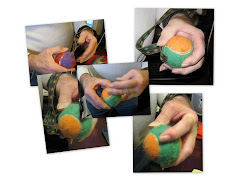
Worry stones are well adapted for Parkinson's disease. I can just put it in my left hand - you know, the one with the tremor - and not be concerned about the quiet or the loud ways of using it - I can just rub it with my thumb to defocus the tension. The problem is my unwillingness to take the stones out when I feel stressed...which is pretty much all of the time.

Over five years ago I was diagnosed with PD. In the beginning it didn't change my life very much. I could still work around the house a bit, still drove everyday, rode my bike through the park, and most importantly I still had a full time job. My appearance did not change right away and I was getting medication and alternative treatment but not the standard levadopa PD meds.

Life was fairly good even though there were some dark clouds building up. On bad days I worried. On good days I could see us living like this for years without much change. Now I know that was kinda foolish but who knows what the correct moves are when you are dealing with a chronic incurable disease. I've always thought that you usually just get one shot at it but it now seems that you get a chance every day if you mentally touch the worry beads.

Its very important to keep a positive attitude even when the whole world is going crazy. I've found I can't do it very well. Too much news about swine flu, bank failures, foreclosures, unemployment, health care disputes, plane crashes and new wars keeps me anxious and worried. Too many new symptoms or simple changes to my body scare me and make it harder to fight back against the disease. Too much knowledge makes me worry about everything. I focus on things that don't bring a laugh or a smile. Am I afraid to smile? Afraid that will bring bad luck?

My wife tells me I have not changed much, just a few new symptom's but also some that some are better. But I worry about the future, finances, progression. I am impatient for positive symptom relief and even when it appears, the triumph is short-lived because I move on to another worry.

Even I can see that my basic problem is that I have lost faith with the idea that eventually a treatment will be discovered (in time to help me.) I realize that a tremendous amount of Parkinson's research is taking place all over the world and that it is very possible that a breakthrough will happen soon. That with the right funding, trials will go forward and announcements will be made. I suppose it's even possible that it has already been discovered but not available yet because of the money involved in getting approval for new medications and treatments.

Yes I stress too much about things I can't change and I spend too much time on the Internet discovering new worries. I'd love to be working again and contributing what I know about construction or the supermarket business; but that doesn't look promising. Worrying kept me busy. I know that I am sublimating my concerns about the rest of my life by worrying about everything else but it's difficult to stop.

Worry beads are supposed to cause the litany of worries to flow out. I am learning that I am better off using that worry stone in my pocket, stroking it, calming my fears and letting the stress ease itself away.

Tuesday, September 1, 2009

Mix and Match with Parkinson's Disease Co-drugs

Creatine Combos for PD

Parkinson's disease is different things to different people, sort of like the old one about the blind men and the elephant. Some of us follow doctor's instructions to the letter while others, myself included, are constantly stirring the mix to find something that not only slows the progression but also appears to reverse symptoms.

So I tried creatine again, only this round I am pairing it with the CoQ10 doses which I already take. I'm trying to take smaller amounts of CoQ10 but more often throughout the day as apparently it has some diminishing returns in large doses. To that mix I just added St John's Wort (standardized hypericum 0.3%) with an enzyme delivery system.

I tried the CoQ10-Creatine combination first but I am impatient and wasn't sure I felt any results. So I added St John's Wort a couple of days ago. Yes, we did read about the "cheese effect" for tyramine and St John's Wort but for now I'm operating under the FDA opinion that MAO-B and MAO-A really are different in effect.

Although it has only been a few days, I think that I am less stiff; I can see and feel it in my left hand. That's my PD side. When we're driving somewhere, that's the hand my wife takes when she notices it is looking clawlike and separates the fingers, strokes and presses them down on my thigh. She's trying to make me aware of those muscles in a nice way. Sometimes she encourages me to do finger-stretching exercises in the car. Now that I have added St John's Wort to the mix, there seems to be less tension in that hand.

Do I think this change is due to the addition of St John's Wort, not really. It takes a minimum of a week to six weeks for this herb to be effective, the average is about a month. Plus the fact that I began at 600 mgs a day and not 900 mgs will also delay the onset of effectiveness...if any...No, I credit the change to the addition of creatine.

Creatine was named by French chemist Michal-Eugene Chevreul in 1832 while working as professor of chemistry specializing in the study of fatty acids at the Musee d'Histoire Naturelle. It was here that he isolated creatine as a component of skeletal muscle by extracting it from meat (muscle tissue). Twelve years later, a German scientist Justus von Liebug noticed that wild foxes (those who hunt for survival) had more intramuscular creatine than captive foxes who expended little energy to obtain food or escape predators. This has interesting implications in Parkinson's where the majority of patients appear to come from a more sedentary lifestyle.

So what do we know about creatine and CoQ10?

We know that CoQ10 is an important antioxidant because of its ability to transfer electrons. We know that the mitochondria within the cell need both CoQ10 and creatine to produce cellular energy because they function in different ways to assist that process. We also know that Parkinson's disease can be viewed as a mitochondrial disorder with decreased production of ATP (adenosine triphosphate) which has been called "molecular currency" and "the energy currency of life" without which muscles will not contract.

More than one study has pointed out the neuroprotective effects of the combination of adding creatine and CoQ10 to fight agains dopamine depletion and the loss of tyroine hydroxalase neurons in the substantia nigra. In addition the addition of creatine and CoQ10 demonstrated a reduction of Lipid peroxidation - significant because that means a reduction of cell damage. It improved glutathione homeostasis with an overall effect of improving motor performance.

There are other combinations which have been the subject of study. In 2007 there ws an early PD study of CoQ10 and GP-1485, an immunophilin compound. By 2006 Symphony Neuro development Company stopped an open-label study of GP-1485 for regeneration of damaged nerves finding no demonstrated benefit.

A study of minocycline and creatine did demonstrate some benefit for ALS rat models but alone, minocycline alone did not demonstrate improvement in preventing cell death in HD models.

resources and additional reading:
The Value of combination therapies
Beneficial effects of creatine, COQ10, and lipoic acid in mitochondrial disorders
Creatine and CoQ10
Combination therapy with coenzyme Q10 and creatine produces additive neuroprotective effects in models of Parkinson's and Huntington's diesases
Beneficial effects of creatine, CoQ10 and lipoic acid in mitochondrial disorders
The Creatine Clinical Trial site at NIH
A randomized clinical trial of coenzyme Q10 and GPI-1485 in early Parkinson disease
From Harvard: Additive Neuroprotective Benefits of Minocycline with Creatine in a Mouse Model of ALS
Results of the above trial on Minocycline with Creatine - 2006
Parkinson's CoDrugs for Levadopa: Caffeic Acid and Carnosine
Creatine: The Power Supplement by Melvin H Williams, PhD; Richard B Kreider,PhD; and J David Branch, PhD is available online
Creatine

Tuesday, August 25, 2009

Will Creatine Slow Parkinson's Disease Progression?

Having the energy to prevent PD cell death

Parkinson's patients have been taking creatine for years. It is a protein produced by the liver combining the amino acids, arginine, glycine and methionine to store cellular energy. Some forms of creatine produce creatine phosphate which is an energy source for nerve cells. The theory is that the energy created will help prevent mitochondrial loss - cell death - which is characteristic of Parkinson's Disease, ALS, Huntington's and muscular dystrophies.

Creatine is not a one dose fits all nor is it without side effects. Some of the side effects include dehydration, cramps, nausea, gas, diarrhea, renal stress and lowered blood pressure. Often lowered blood pressure will produce dizziness.

In 2000 an NIH sponsored trial of Creatine and the antibiotic, Minocycline, for ALS showed promise and suggested that further study was needed for Parkinson's. In that 12 month study patients received 200 mgs of minocycline and 10 mgs of creatine daily or a placebo. The minocycline was not well tolerated. The trial indicated the need for a study larger than 200 participants.

In March 2007 the National Institute of Health (NIH) - NINDS announced sponsorship of a phase III clinical trial to see if Creatine can slow the progression of PD. The trial is huge and will be enrolling 1720 people at 51 medical centers in North America. The trial is currently enrolling.

The first of a series of clinical trials from laboratory research to clinical trials under the heading of NIH Exploratory Trials in Parkinson's Disease (NET-PD), this trial will run between five to seven years. It is being led by Dr Karl Kieburtz of the University of Rochester and Barbara C Tiley, PhD of the Medical University of South Carolina in Charleston.

Body builders have been taking creatine for years to improve exercise performance and build muscle. There have been studies which imply that creatine can improve mitochondria function and may function as an antioxidant to reduce oxidative stress. In PD lab mice creatine has already been demonstrated to prevent loss of specific cells.

In the past I've taken different forms of creatine but have only noticed that I feel somewhat dizzy. I'm considering taking it again but in combination with at least CoQ10.

In this trial progression will be measured using the standard rating scales of quality of life, ability to walk, cognitive function and the ability to carry out other activities of daily living.

Who will be eligible: people diagnosed with PD within the last 2 to 5 years AND are being treated with levadopa or other medications which increase dopamine levels in the brain. Only half of the patients will receive creatine in this double blind study. The trial is using 5 mgs daily of creatine supplied by Avicena Group, Inc

People interested in participating in this study can obtain more information by calling 1-800-352-9424, emailing or visiting the clinical trial site at NIH. You can check for a nearby location at the NIH website.

Next we will look at creatine in combination with other additives including CoQ10.

references:
Press Release
The Minocycline-Creatine trial

Thursday, August 20, 2009

A Day with Parkinson's Disease

Typical day in life of this 6 year PD patient

I slept during the night from 10 pm till 7:00 am waking up along the way at 1:30 and 4:00 am for trips to the bathroom. My cane is near the bed so that I can reach it in the semi-darkness.

At 4:00 am, however, the bedroom curtains turned into unknown creatures although they didn't prevent me from going right back to sleep. I've been visited like this before. These minor hallucinations which are actually illusions which my mind misinterperts from the room furnishings occur occasionally to plague me.

I stopped getting the bad, heavy duty hallucinations, the side effects of Mirapex and Selegiline when I discontinued taking them three years ago. Back then I saw and heard people, conversations, things that might have been but weren't. I thought they were gone for good but still every once in a while I have the illusions. Often I'll lie in bed for an hour thinking about our bills, medical insurance and work which needs to be done on the house and fall asleep.

7:30 am - I wake again and awkwardly dress myself, letting Marge sleep a bit longer. She is usually up and back at the computer after feeding the cats and dogs but not today. I make myself a giant cup of coffee - it's PD medicine too - and carefully climbed the stairs to the 2nd floor where we have our office. I still need to put up the hand rail for those first three steps. I have all of the parts but I am afraid that I may no longer have the ability. I should have done it years ago.

9:00 am - I am taking my meds and working on my plan to deal with my constipation. I will drink a lot of water and eat some fruit...and hopefully some chocolate - hidden by my wife so that I don't overdose. This problem goes with Parkinsons for most people, but since I went on the low-gluten diet about a month ago it's gotten worse. I made a promise to give the diet a fair chance - 90 days - so I have to stick with it for now. More fiber may be the best solution but chocolate does help.

10:00 am - Supplement time. Between the supplements and meds, I open 25 different bottles every day, most in the morning, a few more in the afternoon and some before going to bed. When I'm going out I take the afternoon pills with me. Our current health plan mails a renewal reminder well in advance so that I am no longer rushing around when I realize that I am near the bottom of the bottle.

10:30 am - I've read my email and now I'm going to take a shower using my latest PD addition: a shower/tub seat. I find it a bit difficult to negotiate my first leg past the seat but the other leg is no problem. It's going to take practice until I become comfortable. We'll probably add a grab bar to the side of the tub. I don't want to fall, the tub is cast iron, but then, that's the point: the plastic seat will protect me. I have only had one minor fall since my PD diagnosis and that was in my bedroom not the bath. I take my first shower siting in a shower seat and even though I know I need to, it makes me feel like an old, old man.

12:00 pm - 6 days a week I go to a therapy center where I workout on Nautilus machines for an hour and/or sometimes swim. It is here and at my monthly support group where I meet other people who are suffering from Parkinsons. Yesterday I shared my feelings with Danny, another PD patient whose PD is more advanced than mine. Danny gets around pretty well with a walker, he just needs some help getting started. We sat side by side riding recumbent bikes and talking about how much we missed our jobs and the friends we had worked with.

When we leave the therapy center we try to run an errand or two but often I wait in the car because I am not comfortable walking in crowds of people.

5:00 pm - I have a no or low-gluten dinner. I want to keep active so I try to be working on at least one blog article at all times as well as keeping up with the vacuuming, checking on the painters, cleaning my bathroom, and whatever I can do around the house.

Unfortunately when I am feeling depressed it's hard to do more than sit right here reading the news online or on TV. I try to watch Jeopardy ever night, I know it is good for my brain. And then I spend the rest of the evening alternating between entertainment and reading about more PD developments.

Sunday, August 16, 2009

What's Happening with the Neupro Patch for Parkinson's disease

August 2009: Neurpro Update from UCB

Last week we mentioned that we were checking the status of the Neupro® rotigotine transdermal patch. Although the patch has been available in Canada and in Europe to Parkinson's disease patients, it is still not available in the US. Originally it was hoped that the patch might return to the US market by the end of 2009 but it now looks as if that will not happen until 2010.

At the end of July, UCB submitted extensive information on Neupro® and the cold-chain distribution system to the FDA. UCB is in dialogue with the FDA and is hoping to make Neupro® available to U.S. patients during 2010, subject to FDA approval of the cold-chain distribution system. The importance of the delivery system of the product is to prevent the crystalization issue which caused its removal from the market.

Neupro is currently being introduced in Europe as a treatment for people with moderate to severe restless leg syndrome (RLS).

Many people had wonderful treatment success with the Neupro® patch delivery system only to find their lives turned upside down when it was removed from the market. They and especially PwP families have told their stories at many internet sites. It is not too late to send your stories to UCB as we mentioned in May 2009. The FDA is not without heart but they have a heavy responsibility to the public safety.

To send your story you can use this email address.
Please put "Share Neupro - Parkinson's disease stories/experiences with UCB" in the subject line.
The email body should begin: Attn: Joanne C, Medical Information.

We've written about about Neupro® in these articles. There is no question but that it became an effective treatment for many Parkinson's disease patients worldwide.

Thursday, August 13, 2009

Down on the Farm with Parkinson's Disease

Well Water or Sick Water?
What has been learned about PD and the Amish?

Researchers conducted a genetic study of Parkinson's disease in Holmes County, Ohio. The area is rolling farm country with a population of about 41,500 in 2008 and home to 19,000 Amish. Within this large Amish community is a population where most people are related to each other. In 2000 the single largest population group were the 27.3% of German descent and 8% of Swiss lineage compared to 16.9% who were of American descent. The shocking fact is that they have one of the highest rates of Parkinson's disease in the world.

When the study results came back, subjects with PD were shown to be no more inter-related than control subjects. This suggested that the PD cases must be triggered by environmental factors which differ in the Amish community but not in the balance of the population. And it is these factors that appear to account for almost all the cases of PD in Holmes County.

The first suspect area is private water well - subject to EPA inspection which doesn't occur in Lancaster, PA - livestock waste and grazing in streams from lack of fencing. Run-off into the wells from missing caps and missing or improper application of grout at the wellhead.

Another big problem is wells that are not deep enough to get below contaminated ground water. Bad drinking water with coliform bacteria and E Coli present in the water have been observed.

Outhouses and manure runoff are serious drinking water problems if water is not boiled. Lack of electricity means no refrigeration or freezers which make it difficult to safely store foods especially during hot Ohio summers.

On the other hand pesticides and herbicides as well as fertilizers are not used very much on Amish farms. However, there is some limited use often using uncalibrated communally used sprayers.

Moreover these farms are not always isolated but rather often intermingled with "the English" there is still a ground water pesticide/herbicide potential from neighboring farms. Critical proximity is 500 meters (547 yards). We already know that exposure to paraquat, diazinon, chlorpyrifos, propargite, dimethoate and methomyl definitely increases the risk of developing PD.

Tuesday, August 11, 2009

Share Your Parkinson's Disease Journey

Circling the wagons...or not...around PD

We all know the the Parkinson's disease journey can proceed at varying rates of speed. Whether we travel by jet, by train, by ship or by covered wagon, the destination is going to be similar for all people with Parkinson's.

What we do know is that this is one journey you don't want to make alone. In the case of a serious illness, disease, condition, it is so easy to circle the wagons around your party of one. Or you let in your spouse but you don't want to scare the children. Big Mistake!

Speaking to your children as frankly as their ages permit will help to keep the family together - keeping them out of the loop can foster hostility, anger, fear, depression.

Denial isn't going to make PD go away but it can drive away the people who love you. When you have family and friends who want to be part of your life and your journey, count yourself lucky and let them on-board. They still need the YOU inside your body and you still need them. Trust them.

Sometimes just talking about a symptom or a problem allows for new insight. It lets the people who care help you find a solution, no matter how temporary.

While the caring link runs deep, don't forget that you and your family share common genes. They also have a right and a need to know.

I know that men and women alike want to sustain the image they have of themselves in the home, the workplace and the community and they don't want to worry their children, parents, brothers, sisters, cousins by not confiding. Well, that doesn't work because your silence and secrecy you might just be causing more stress for everyone.


Parents often forget that children are voting members of the family too...I should know. We did that when the heart condition was diagnosed and didn't let up until we were rightfully accused of circling the wagons and leaving our adult children, our siblings outside the circle...subject to the slings and arrows of confusion and fear. Expand you circle to let the life back into it.

Wednesday, August 5, 2009

Is It True What They Say about Black Tea and PD?

Two Teas for Parkinson's disease

In recent years, I've been concentrating on my Green Tea intake because that's been the tea du jour. The ad man's darling. And certainly not without merit. Green tea has antioxidants which can possibly help PD by providing symptom relief or slowing progression. It has not been established that the green tea antioxidants are that readily available in tea form, however.

About antioxidant threatment, there isn't enough research to be definitive. There were CoQ10 studies but they have been flawed. Even the current studies are deficient because they do not include high enough doses.

There is a clinical trial now in Phase 2 in Beijing to determine if Green Tea is an effective & safe treatment for new PD patients without taking any other meds. The jury is still out and certainly the processing is important which may be why the studies are taking place in China.

We know that another constituent of tea, caffeine, is effective in delaying the onset of Parkinson's. That has already been established. And even if caffeine won't prevent PD, we're all for delaying the start time There have been caffeine studies, especially the 30+ year Hawaiian study which demonstrated a delayed onset. Tea contains more caffeine than coffee - put down that tea pot - until you brew it when it dilutes to about 2/5 less than coffee.

Green tea is made in such a way that chemically it is similar to the fresh leaf. Black tea is not a breed apart but actually the green tea leaves of the Camellia sinensis which have been completely fermented resulting in a slight reduction of caffeine and a change from the simple catechins (polyphenols) to the more complex theaflavins, theanine, an amino acid unique to tea leaves, and thearubigins.

Back in 2007 researchers in China collected data on more than 60,000 men and women in a study in which they determined that the polyphenols in green tea had an antioxidant effect which might protect neurons from the damaging effects of reactive oxygen species and nitric oxide. This has great implications for neuromotor diseases such as Parkinson's.

EGCG, Epigallocatechin Gallate, a catechin which functions as an antioxidant in green tea, converts to theaflavins and thearubigins in black teas. These can cross the the blood brain barrier and have been demonstrated to be effective against dementia in aging and AIDS related dementia plaques in a petri dish. They are now being further studied for their effectiveness in neurodegenerative diseases such as PD, AD, and HIV dementia.

What else about the black tea? Black tea is green tea which only contains about 3-10% of the polyphenols compared to 30-40% in green tea. There was a black tea study in 2008 in which it was said essentially that black tea showed an "inverse association" with Parkinson's disease risk that was not contradicted by the total caffeine intake or tobacco smoking. In other words the disease risk is actually reduced. The claim was that drinking a minimum of 23 cups of black tea a month might slow onset of PD by up to 71%

Tetley, a subsidiary of Tata Tea Ltd, is not going to be making any claims yet - they are probably still smarting over getting into hot water with the UK Advertising Standards Authority for overstating antioxidant health benefit claims.

For those of you who like milk with your cream but are concerned because you know that milk proteins could prevent the absorption of the flavonoids in your tea no worries. A Dutch study conducted a few years ago in which the total consumption was about 8 cups of tea a day. It demonstrated that the flavonoid bioavailability was not significantly affected by a bit of milk in your tea.

There's more to study about the components of green and black tea but for now, I'll enjoy my green and my black tea with milk and I think we'll be sending some black tea to our children.

Resources and Reading:
Green tea extracts may stop Parkinson's
Black tea may slash Parkinson's disease risk
Drinking Black Tea Reduces Risk of Parkinson's Disease
New Insights into Tea Ingredients
Theaflavins in Black Tea and Catechins in Green Tea Are Equally Effective Antioxidants
Tea Beverage
Steep it Loose
Destressing with L-theanine

A little help from Wikipedia:
Catechins
Thearubigin
Theanine

Wednesday, July 29, 2009

Finding the Best Price for CoQ10 for Parkinson's Disease

Shopping for CoQ10 - Ubiquinone - Ubidecarenone
Coenzyme Q - Coenzyme Q10

As you may know, we've been buying the anti-oxidant CoQ10 at Costco for the last few years. They carried TruNature made using the trans isomer (natural) process and appeared to be one of the least expensive. Price is important when you are taking at least 1200 mgs per day. Whenever my wife is at Costco she checks for a sale price since I go through a bottle every two weeks.

So you can imagine her surprise when she discovered that the 150 mgs with 120 capsules had been discontinued. In it's place was another brand, also made with the trans process but with a much higher price tag. So she went shopping around online and this is some of what she found.

For those who do shop Costco, they now carry Nature Made - they do have a coupon but that may expire soon.

We've been buying some Nutraceutical Sciences Institute products through Vitacost and are happy with NSI. The NSI CoQ10 is $23.99 for 240 100 mg capsules. For me that means a daily cost of $1.20 per day down .59 from the $1.79 we were paying for TruNature. The shipping cost - if any - is offset by the lack of sales tax so we ordered a couple of bottles because we know that NSI is a natural.

Vitacost also provides a drug interaction service - in this case we linked with the CoQ10 interactions.

And then she found Puritan's Pride which carries a CoQ10 they call Q-Sorb. Right now they have some BOG2 and the price for three 60 count 200 mg bottles worked out to be $1.07 per day. She was able to get the verification of the Trans process (yeast to extraction to purification to crystallization to drying to packing) through the Live Chat at the Help Page-Contact Us - found it near the bottom of the page.

Swanson Health Products carries more than one brand. We received an early evening immediate response from Phillip E in Customer Care at Swanson Vitamins which impressed us:
Thank you for contacting Swanson Health Products! I am happy to help you!
All of our CoQ10 is from the trans-isomer.
All of our CoQ10 is natural and produced through a fermentation process.


Here is a link to the Swanson catalogue of CoQ10 products. We determined the lowest cost to be 100 count 100 mg capsules at $1.02 per day.

Because Swanson Health Products also carries NOW CoQ10, she also wrote to NOW Foods and received a prompt reply from the Science & Nutrition Group who also sent this link the next morning:
Our Japanese sourced CoQ10 material is the best quality,
highest grade Coenzyme Q10 available.
All trans- isomer produced via fermentation.
Also once this raw material is received it is then handled using

Good Manufacturing Practices.
Products are get tested for purity.
Microbiological and the values of heavy metals such as Lead, Arsenic, Cadmium,

Mercury, Aluminum are specified well as other impurities.

Because swallowing is such a serious problem in Parkinson's Disease, Swanson has a pdf format printable pill size guide which I find very useful. Of course they are one of the few companies to indicate the capsule size.

We know there are other companies out there but we're pleased with the process and the cost per day which we've listed here. We certainly hope that this helps your search.

We're aware that the dry form of CoQ10 may provide the most accessible benefit to the body. We're also aware that capsules are easier for me at this stage in the PD journey.

Monday, July 27, 2009

My Parkinson's Experience with a Gluten-Free Diet - part 2

My Low/No-Gluten Diet for PD

Two weeks ago I started a low/no-gluten diet with the intention of testing it for at least 3 months to provide enough time to see if it helped relieve Parkinson's symptoms or not. Already I'm seeing changes. And I'm not the only one who has noticed some improvement, both my wife and my massage therapist have also seen changes.

Even though it hasn't been very long, I am happy to report that I've noticed a decrease in urinary frequency. Although it was being partly controlled by the saw palmetto and pumpkin seed oil blend and nettles I was taking, I still had issues and felt limited in places I could visit and things I could do. Now I take less when I get up in the mornings and get better results. I also think I can feel when I need to go better.

Sexually there has been a slight improvement in my response. I can feel more. There's a lot to be said for being in contact with those nerve endings.

My body is not as stiff and rigid which means that I can get in and out of the tub shower more easily, since my leg has relaxed a bit. The massage therapist noticed a greater range of motion, less overall rigidity and the ability to get muscles to release, . something which has been a real problem in my neck, shoulders and leg.

I've been sleeping better since I started the low/no-gluten diet. Last night I went to bed at midnight, slept till 5:30 am, back to sleep easily until 7:30 am when I got up for the day. That was better than I have done for a long time. My wife insists that I need to take an occasional nap which is something that I used to do when I first was diagnosed.

Staying on the low-no-gluten diet has been easier than I thought it would be. I've eaten rice, ground chicken as hamburger, buckwheat pancakes, no-gluten pretzels, waffles. I've had plain ground turkey as sausage which my wife seasons and potato chips, cheese, yogurt and ice cream. So there are lots of things to eat. Of course I'm very lucky that my wife likes to cook and is very good at getting me to take my pills and eat the right things. She's just switching out ingredients to try to make the changes feel normal.

We shopped at Whole Foods Market where they have a very big selection of Gluten Free foods. They have shelf tags which identify all the gluten-free products they carry. Saves a lot of time for gluten free customers. Just follow the green tags up and down the aisles. We'll be adding brown rice noodles and pasta which we haven't had in a long time.

I've notice one problem with the diet thus far. We hadn't considered that the primary use of white rice flour could contribute to constipation. As soon as I noticed the issue - not hard to overlook - I explained to my wife who reconsidered what I was eating and realized that it was an easy fix. White rice is low in fiber and white rice flour has almost none. So within an hour we added fruits with high fiber content, brown rice, beans - I especially like refried beans - sweet potatoes, natural applesauce and plenty of drinking water all help to ease the problem.

Understand that I appreciate fruit but never cared to eat it that often. Change of plans and now I do.

We're calling this a low/no-gluten diet because I don't have celiac's disease but I may have some gluten intolerance. Because of that we are being careful but we know that on occasion something will accidentally slip past us and occasionally I might backslide...not yet but we're trying to be realistic.

So I feel this was a positive start for my diet although it will be a few months before I see the results. I'll post again next weekend...by then I will have had the chocolate chip cookies and the bread.
Addendum:
The cookies and bread turned out to be delicious, tasted even better than full-gluten bakery.

Friday, July 24, 2009

Gluten & a Parkinson's Disease Patient - Part I

Gluten Free Me with PD

After 6 years of PD I've come to the point where I realize that if I'm going to make any more progress fighting PD I'm going to need to eliminate or greatly reduce the pain I feel in my knees when I excercise, especially when I walk longer distances. I'm only at a quarter mile, I need to be able to walk a mile or two with little discomfort. Pain is a significant factor in arthritis and, of course, in Parkinson's disease.

Massage takes me part of the way, working out at the gym has taken me where I am now but I have to find a way to make more forward progress and not just hold the status quo. In recent weeks and months I've tried turmeric and nettle but the nettle seems to make me feel dizzy; possibly it lowers my blood pressure. Swimming feels great while I'm doing it, but doesn't seem to have lasting effects although I haven't been in the water as often in the last couple of months.

DynaCirc CR has helped me tremendously but I don't think I can expect it to do more. Getting a forced excercise bike probably could help me but the cost seems out of reach now. My heart condition might prevent me from getting my doctor's approval for forced exercise anyway. On the other hand, my improvement from the process of learning the semi-elliptical recumbent bike is encouraging.

I also have some some urninary tract issues which I wrote about the other day. I've been trying to deal with the UT issues first. I tried saw palmetto and pumpkin seed for my prostate, urinary frequency and sexual problems. That resulted in a slight improvement in my frequency and sexual problems but was not the answer because I had to take more than the doctor had said would be safe to get those results. So I went back to nettle. It gave me better results and I'm still using these supplements but the dizzyness and sense of shaky balance side effect were taking me in the wrong direction.

Marge had been reading about low Gluten diets and sugested I try it for 3 months to see if it helped me. The gluten-free and the low-gluten diets sounded very difficult because you can't eat bread or pasta or any food with just a trace amount of wheat - not even a bagel! But 10 years ago I was a vegetarian and I was able to stick to that diet for a few years until my cardiologist said that my triglycerides had skyrocketed and that I should probably reintroduce some meat protein to my regimen.

I had help with that diet and while I depended quite a bit on frozen items so that I wouldn't have a long wait for a meal, I also learned to make a mean vegetarian chilli. That success makes me think I'll be able to stick to this plan too. So far I've been on the diet for 10 days and I'm getting some positive results. I'll start reporting how I'm doing this weekend.

Follow up reports:

Sunday, July 19, 2009

In the Gym with Parkinson's Disease

My PD Exercise Monday through Saturday

I went to my physical therapy center yesterday to workout on the nautilus machines as I do 5 or 6 times a week. As you know, stiffness-rigidity, balance, breathing, depression, gait issues can make exercise much more difficult for the PWP. How one exercises may depend upon physical symptoms, the current physical condition of the patient, finances, accessibility to therapy centers and so on.

Many patients, especially younger patients already had an exercise routine and try to continue with that. They play sports and they work out in a variety of ways. Jogging if possible, lifting weights, swimming. At a therapy center each patient is observed and a specific routine is designed for them. The program I use was designed specifically for me by a therapist.

Now I am in a program for people who have completed their therapy programs with the physical therapist and want to continue using the equipment and facilities of the therapy center. Equipment includes three bikes styles: recumbent, semi-elliptical and exercise bikes. Nautilus machines include ones for exercising abdominal, obliques, leg extension, leg lift, hip abductor, triceps, triceps extension, lateral raise, vertical chest and leg press.

Other equipment includes treadmills for which I do not have a go-ahead yet. And of course the 90 ft pool, a whirlpool and therapy pools with wheelchair-type access available 6 days a week. I have one more session available with the therapist to assess my progress and revise my particular program...all this for $68 USD a month.

I have been attending this therapy center for about a year now and my muscle loss has stopped as my muscles are slowly gaining definition. Although my PD affected side is much weaker, I feel good about my progress. I have noticed that I can exercise longer against heavier resistance when I'm using the machines, instead of walking or using free weights.

The exercise in the swimming pool is easiest for me, although I have a tendency to think I'm doing almost nothing much in the pool...until I wake up the next morning...sore. It's hard to tell you are actually exercising because of water buoyancy effect.

Using the equipment I warm up on a recumbent bike for 10 minutes
Then leg curls and leg extensions on nautilus = 15 reps
Abdominal machine = 15 reps
Triceps press separately on each arm = 15 reps each
Vertical chest - pushing and pulling 50lbs on my right side and then 30 lbs on my left (PD) side.
Next I exercise on a padded table to stretch my upper torso: Yoga neck exercises and then foot exercises.
Finally onto the semi-recumbent elliptical trainer bike for 15 minutes of cool-down.

I'm encouraged-urged-prodded-nudged by my wife. Knowing I won't still be walking if I don't do this is also a major motivator. Which is why I figured out how to use the semi-recumbent elliptical bike.

When I began using the semi-elliptical recumbent bike I couldn't use my left hand/arm. With the assistance of a physical therapist we figured out that because my left hand, arm, leg were so weak that my left side couldn't keep up and that threw off the rhythm and balance required to operate the bike.

Then I read about the Forced Exercise at the Cleveland Clinic and it gave me the idea that to continue riding as hard as I could with the parts of my body that functioned well and take the left side along for the ride - my own form of tandem riding. And it worked. At first I was able to ride at 40 rpm, then 50 and then on to 60 rpm where I plateaued for a few weeks. I hit 70 rpm a few days ago - I can't sustain it yet but I'm making progress.

The great thing about working out at a therapy or fitness center is there are people around. At home the cats often keep me company during exercise but I'm more motivated to stick to my exercise schedule knowing I'll be with acquaintances.

Sadly, people I've grown to know and like there disappear from time to time. Under HIPPA rules the staff is not allowed to say what happened to them. In many cases I know what their health problem was because I could see its symptoms or the patient told me. But I do not know why I no longer see them exercising there.

I was disappointed to learn that the center will not be getting a bicycle for Forced Exercise within the next few months. They chose another piece of equipment instead. I had high hopes for seeing a dramatic change with that bike.

It also disappoints me a lot that there aren't more people with chronic motion disorders exercising, it may be the only treatment that really works.

On Sundays I exercise at home with the cats.

Thursday, July 16, 2009

Massage Therapy: Adjusting to Parkinson's Disease Progression

Medical Massage for PD Symptom Relief

Yesterday I was at both the exercise and massage therapy centers to workout and get a Swedish massage. I love getting the massage. The feedback is so immediate.

At every session the massage therapist interviews me for a few minutes about how I'm feeling emotionally and physically. I described to her how I feel about noticing some progression in my condition i.e. a few symptoms manifesting on the right side of my body in the last few weeks, although I noticed none this past week.

What I have noticed in recent weeks is more difficulty getting in and out of the car as well as the bathtub/shower. I told her it was depressing, but she pointed out some symptoms which had improved recently. My left hand no longer forms a claw and the arm is more flexible and relaxed. My voice is lower and stronger. She reminded me that I'm getting this improvement and I'm only taking 2 Parkinson drugs, Azilect and CoQ10...well 3 if you count the DynaCirc CR...which I certainly do.

These days I have to use all my strength to get on the massage table face up. Another strength and mobility/flexibility decline in my condition. I eventually struggled up and over wondering why some things get better while others get worse at the same time. But I know it's because the progression isn't the same in all parts of the body. I'll need to identify the muscles involved in the problematic areas and work on them at the exercise center.

After I've undressed, the massage therapist comes from her office and checks my position on the massage table. She has me make adjustments if necessary, positions the draping sheets and tucks them in.

The massage therapist begins the massage on my neck and shoulders which are usually very stiff. She stands at my head and uses rhythmic, gliding strokes to massage my shoulders and neck. She moves my head to one side then the other. She strokes firmly from the top of my shoulder releasing tension in my neck. I've been doing Yoga exercises for my neck every day and that seems to be helping hold the line.

Next she spreads massage oil on my chest and arms and massages the front of my body with long flowing strokes. The strokes are continuous, flowing one to the next. She spends time on my hands and especially my fingers where I have a light tremor, my first recognized sign of PD. Then she stretches and flexes my shoulders and checks the range of motion through both arms.

With her help I roll chest down - another maneuver once easier but now difficult on the narrow table. Moving around in bed has not been easy for me since before I was diagnosed. While I'm on my stomach she oils my back and massages my shoulders, back, legs and feet alternating with flowing and kneading strokes to reach deeper tissues. She spends more time with the muscles around my knees because that's where arthritis pain bothers me a lot.

After a series of table vibrations or oscillations, she rings the Tibetan bells signaling the massage is over.

Although the painkilling effect of massage is generated by the production of endorphins, my body is deeply relaxed by the skin to skin contact of the massage. The therapist leaves the room while I dress and then returns for a few minutes of debriefing and a glass of water which helps remove toxins released by the action of the massage.

I leave the building and walk more steadily and calmly into the sunshine to the car.

Monday, July 13, 2009

Along the Parkinson's Disease G-I Tract

Who put the pee in PD?

Many Parkinson's patients have problems along the gastro-intestinal tract because of the affects of losing some control of their autonomic nervous systems (aka: visceral nervous system) part of the central nervous system. I'm no exception. I have swallowing issues, some digestion and constipation problems, sleeping disruption and sexual function disorders to greater or lessor extents.

In the past winter when I had difficult sleeping problems, I eventually overcame them without using more PD medications or supplements. But the urinary problems that made the sleep disorder more problematic continued.

The last couple weeks I have started suffering from increased urinary frequency, which has caused me to have "accidents" with no warning at all. There are prescription drugs to treat this, but the side effects for PWPs can be daunting. If I were still employed I would have to use those meds but since I'm not, I have the luxury of time to try alternative treatments.

Although my usage is not constant, I've been taking pumpkin seed and saw palmetto as often as possible to cut down on the number of times I wake up during the night because I have to urinate. I have felt the need to look for another herbal treatment to use in addition and have been trying stinging nettle with good results in combating urinary frequency.

In the past with my doctor's blessing I've used Viagra to treat my parkinson's related ED problem. The results were very exciting. The results have produced no side affects. However my wife who is my carer and lover feels that Viagra could be harmful for me and asked me to stop using it, which I have done.

Meanwhile I started on the nettle and after a couple of nights she asked me if I was using Viagra again to which I told her no. She replied that "it sure felt like I was!" I am trying to determine if this is a direct result of the nettle or possibly the pumpkin seed.

In favor of stinging nettle is its medical history for hundreds of years. In medieval times it was used as a diuretic and as an arthritic joint pain treatment. It is still used to alone or with NSAIDs to reduce inflammation and sore muscles. My wife used to use it regularly to prepare for allergy seasons.

The Roman soldiers in more northerly campaigns used it to create body heat through its skin irritation properties. It is still used to treat enlarged prostate. Coupled with saw palmetto and pumpkin seed it is used for a variety of urinary issues in men: reduced flow, incomplete bladder emptying, dripping after urination and feeling a constant need to urinate. It may slow the growth of prostate cells. Chemical components affect both testosterone and estrogen.

Just as with any medication, when taking supplements one has to check for food, drug, condition interactions. Stinging nettle is no different. For some people it is contraindicated. Because I am taking both Atenolol, a beta blocker for my heart condition and Dynacirc CR for its benefit as a calcium channel blocker for PD, I have to be aware that nettle can increase the effects of both medications, meaning that my blood pressure can drop...

which may not be so bad except that I may need to be careful about the nettle dosage because I also have Parkinson's and stinging nettles contain the following phytochemicals most of which are helpful but we're not so sure about some: histamine, acetylcholine, serotonin, flavonol glycosides, sitosterol, lectin, coumarins, hydroxysitosterol, scopoletin, tannins and lignans.

So I won't overdo it but it's time for a positive change.

additional reading:
Stinging Nettle

Friday, July 10, 2009

Inbox for Parkinson's Disease

Excerpts from recent emails received at Parkinson's Focus Today:

From Peter F Thompson about the Parkinson's Disease Foundation Bal de Printemps 2009 at which they honored Dr Oliver Sacks and raised over $725,000. It was held at the Pierre Hotel in NYC:

"Thought some others with PD like me would enjoy this video shot for fun."

We've had the link in the right column for a couple of months but just in case you missed it: here is a link to the YouTube video of Peter blowing his harp. We loved it - Enjoy - Great for the soul - Bravo to Mr Thompson - fun to watch - let your body move and groove!

And from Melissa Berry at the Parkinsons's Disease Foundtion:
"Hi everyone,
I wanted to share some news, which is that PDF is now accepting applications for our Second Clinical Research Learning Institute. Last year, 25 people living with Parkinson’s partook in the training and have been very active this year in utilizing their new skills in communities all across the US (and Puerto Rico).

The full information is now available: Clinical Research Learning Institute (Thursday October 15 through Saturday October 17, 2009)

The Learning Institute is a three-day, all expenses paid training. The faculty includes players from all sides of clinical research – researchers, coordinators, representatives of industry and government.

There is a formal application process which is now open and will end on July 17. ... we’ll be letting the community know, in our eblasts and through a press release on the website. If you have any questions, don’t hesitate to contact me or my colleague Nicole who is mentioned on the website...

In another email, PDF announced the new blog by their Executive Director. We're adding that blog link in our list of blog links in the right column, just scroll on down...

Note: we will never share an email of a personal or confidential nature. We only share those in which the sender has sent information intended to be conveyed to you.

Monday, July 6, 2009

Swallowing Problems in Parkinson's Disease

Having PD Can Be Tough to Swallow

One of the common stereotypes of Parkinson's disease is the image of an old man drooling. But that image doesn't do justice to the issue because the not being able to swallow can occur at any stage of PD as the muscles simply do not respond to swallowing the 1 to 2 quarts of saliva which the body produces every day.

For long-term health we believe that a PWP should think in terms of exercise to alleviate the problem rather than go the medication route. Exercise requires more of your energy and time but may save more of you in the long run because it is safer than medication and speaks directly to the all of the related problems.

While you are waiting for the positive results of exercise you can try sucking on hard candy or chewing gum? If you have trouble swallowing these might force you to swallow. Or not. Might be worth a try. Usually it is suggested for dry mouth but since it requires a more conscious effort, it might have some value.

The first suggestion of things to do before consulting your doctor is to read the Parkinson's Disease Society article about the problem. This is an excellent article with practical suggestions. You can print it and take it to your doctor who may not be as familiar with the problem as you are.

Swallowing issues are a very serious problem in PWPs and you may need additional assistance from a Speech Therapist to assist you with exercises. You can ask your doctor for a referral. You can contact the American Speech-Language-Hearing Association for a referral in your area or contact the professional organization in your state. and of course you can contact the nearby universities with medical colleges.

According to many sources, including the Mayo Clinic, "Anticholinergic medications, such as transdermal scopolamine, can be used to decrease saliva" BUT these are not without side effects. One of these side effects is that you can develop "dry mouth" which is bad enough but it can lead to dental problems. Another significant concern is that anticholinergics are usually contra-indicated if you are taking the standard levadopa meds for PD. You can also develop some urinary issues beyond the standard PD problems. Do be advised that before you begin a symptomatic treatment such as an anticholinergic, you need a baseline cognition test because loss of cognitive skills is another side effect.

A treatment you might have read is to use atropine (eye drops) one drop on or under the tongue once or twice daily. This may avoid the adverse effects of stronger medications and still be effective. You should certainly consult your physician first about the efficacy in doing this before trying it.

If you actually treat the developing muscle rigidity, you may find that with professional therapy and/or continued exercise at home, you will not only swallow without choking but also speak more easily and audibly. You will decrease your risk of aspiration pneumonia and increase your ability to continue breathing properly.

While waiting for the day of you appointment with your internist or neurologist you can warm up with Breathing Exercises for PD: Yoga and Buteyko and Voice Exercise Will Help Parkinson's Disease, an article about an excellent DVD available from Mary Spremulli, an experienced Florida-based Speech Pathologist. Steve uses Mary Spremulli's DVD and the exercises provided at Parkinson's Focus Today with good success.

One of the experts in the field is Roxann Diez Gross, PhD, director of the UPMC Swallowing Disorders Center and assistant professor of otolaryngology at the University of Pittsburgh School of Medicine. Her contact information is provided on the chance that you live in that area.

The swallowing issues won't get better, the speaking voice will not improve, breathing and choking can become progressively worse. These problems will not go away without attention; exercise might just slow the progression and improve quality of life.

Resources:
Common Antichloringerics Speed Cognitive Decline
A study by Dr Diez Gross about similar work with COPD patients

Saturday, July 4, 2009

Happy 4th of July

Our suggestion for Fireworks photos:
Use a tripod even if you don't have PD


Hope you had
a wonderful 4th

Friday, July 3, 2009

I Have Parkinson's Disease - Why Are State Legislators Trying to Withhold ESC Research?

You would think in a world linked by a key pad's touch, that minds and hearts would open.

You would think that religious organizations which have built and operate thousands of hospitals worldwide, most of which have doctors who treat motion disorders, stroke and spinal injuries & disorders would have a special insight into the importance of stem cell research. You would think that when the federal government provided a comment and opinion period open for everyone - liberals and religious conservatives alike - concerned about the new set of NIH finding guidelines, that would have been the time to provide input. You would think we could be done with this discussion for a few years at least. The liberals won the election, the ultra-conservatives did not.

We can see pretty clearly what happens when religion mixes with politics, just look at the Middle East. We have explosive situations where innocent bystanders, women, children, the old and infirm are often the victims of hate in the name of some higher power. So the leaders claim that God is telling them what to do and everyone dies in the crossfire.

But it isn't restricted to the Middle East. Throw science into the mix and you're soon killing people without firing a shot, without exploding a single bomb. Suddenly it's not the Middle East but the mid-eastern and western states. Just by putting pen to paper. Patients, doctors, scientists are usually the first victims. Patients die from lack of necessary research and available treatments. Highly trained doctors and scientist become under or unemployed because the work for which they have been training is snatched away by self-proclaimed moralists, under-scrupled state senators and representatives in states throughout the country. You would think that it is time to move forward intellectually.

You would think in Ohio and Michigan, states with not only some of the highest unemployment rates in the USA and also some world renowned medical research centers, that the local politicians would not be attempting to conjure up regulations intended to make it difficult if not impossible to do embryonic stem cell research. The sad thing is that one of these legislators actually said that he didn't feel that people would understand the difference between cloning and using discarded ESC for treatment research so he was just saying no to every kind of ESC research...because we're too stupid to understand the issues. No wonder there's such a financial crisis, too many of these legislators can't see beyond the sound of their own voices.

India, China, Europe, and Thailand are researching ESC and already taking some of our American researchers along with the research dollars. We need those jobs, their tax revenues, that research at home - if home happens to be Ohio or Michigan. If you feel about this as I do, contact your State Representative and Senator and urge them to vote down these attempts at unrealistic, restrictive, beyond religion regulation.

We've said it before, we're saddened by reading of the needless deaths of friends, family, children and adults, strangers who might have been saved by a cure waiting for discovery in the past 8 years. We live and we wait. I have Parkinson's disease. You would think that...

Useful links:
How to find a state legislator or legislation in Ohio
How to find state legislation or a legislator in Michigan

Tuesday, June 30, 2009

Summer Can Be A SAD Season for Parkinson's Disease

Hear the Music of Life While Travelling the PD Journey

In the Northern Hemisphere 'tis the season of the year when it's normally easy to be happy and optimistic. The weather is fantastic. Beautiful flowers and trees have bloomed and budded. This year, however, optimism is not such a sure thing what with the global fiscal crisis, several countries threatening to use missiles or nuclear bombs. The weather is weird with earthquakes and other bleak natural disasters. Gasoline seems headed to new price highs while families are spread out all over the globe......and oh yes, those of us who had Parkinson's still do.
Parkinson's disease still isn't fully understood and there is no cure yet. PD is a disease where the only certainly is progression, no matter the speed. It's not just situational depression but depression as part of PD itself. And don't forget summer SAD. I don't think I am affected by it all the time, but when I am it becomes very hard to begin projects, organize or complete things.

I have learned a few things about countering depression: If you have sleeping problems deal with them first, you won't get very far dealing with any PD problem until you are sleeping well. Try to acknowledge the depression. Denial just makes it more difficult for you and certainly for your family.

As difficult as it is, continue to be social. From volunteering to joining an online or offline support group. Don't sit at home, if at all possible, get out to be with people you like, people with whom you can communicate or share an activity. You need to generate your own positive feedback for yourself. You need to affirm that you still have a place in the world.

Exercise as often as possible using exercises designed for Parkinson's. Since every PWP is different, it may not work for you as well as it did for me or it may work better. I work out one hour a day, 6 days a week. I use exercise machines, a program designed for my needs and my own personal routine.

When you begin exercise get your doctor's advice and even better, the advice and program of a good exercise therapist. Begin slowly, you will find your pace, plateau and then exceed it.

Make listening to music something you do all day long especially when you work out. Music and exercising to music whether on a machine, dancing or sitting in a chair helps restore some homeostasis to the PD brain.

Enjoy your pets. Get out in the yard to soak up the sun with them, talk to them, smile with them, pet them, let them love you. And do the same for the rest of your family. Join the rhythm of life.

Sunday, June 28, 2009

More Food for Parkinson's Disease Thought

If you have Parkinson's disease, there may be nutrition decisions to make

Timing is everything
If you are taking levodopa meds you'll have to find the right times for protein. You need the proteins and it is difficult to avoid them from your breakfast cereals to the cheese and fruit you have for dessert.

Meat is not the only source of protein so be aware of the effect that protein has upon your dopamine before you eat eggs at 6 grams, yogurt at 8+ grams per cup, milk or soy milk at 6-10 grams, beans at 7-10 grams per 1/2 cup, a handful (1/4 cup) of nuts from pecans at 2.5 grams to pumpkin seeds at 19 grams.
When you eat may depend upon whether a medication has to be taken on an empty stomach or with a meal, usually to avoid nausea.

What you eat may depend upon what medications you are taking
Although you need the full Vitamin B complex, if you are taking L-dopas, you need to know that B6 can interfere.
Some MAOIs have the pickle restrictions, while others, the MAOI-Bs, probably don't need them.
Gonna Change My Way of Thinking about food
You probably can't eat all of the things you used to eat for a variety of reasons. Limiting red meat is not just because of iron and fat, sometimes it is too tough or stringy to properly swallow, let alone digest. PD dental issues may require that veggies be cooked a bit longer. The good thing is you can compensate with well seasoned sauces.
Savory seasonings stimulate the appetite - Latin Proverb

Some other things to consider:
Dopamine synthesis: phenylalanine -> Tyrosine ->L-Dopa -> dopamine ->Norepinephrine
Synthesis of dopamine requires these nutrients:
Minerals iron, copper, magnesium, manganese, zinc
Vitamins B3, B6, folate
Serotonin synthesis: Tryptophan -> 5-Hydroxytryptophan -> Serotonin (5-Hydroxytryptamine) -> Melatonin

Remember this:
Fiber can interfere with the absorption of dietary manganese
High manganese foods are not the same thing as high manganese exposure so don't rule them out.

Fun Foods at Random from A to W
ALMONDS - Provide Vitamin E, magnesium, potassium plus Vitamin B2 (riboflavin), manganese, copper and are high in fiber and protein.
APPLE - An apple a day may help fight constipation. Low vitamin C content, but antioxidants and flavonoids enhance the activity of vitamin C, thereby helping to lower the risks of colon cancer, heart attack & stroke.
APRICOTS - A source of Dietary Fiber and Potassium, Vitamin A and Vitamin C. I like them for adding that sweet flavor bite
ASPARAGUS - High in folic acid (folacin), fiber, Vitamins B6, A, C,Thiamine and in potassium. Low sodium, no fat or cholesterol. Asparagus also contains the antioxidant, glutathione (GSH) and rutin. 5 spears have 20 calories and have 3 grams of protein.
BANANAS - Potassium, Dietary Fiber, Vitamin C and Vitamin B6. Also a source of Manganese required for synthesis of dopamine.
BEETS - A source of Vitamin C, Iron, Magnesium, Dietary Fiber, Folate, Potassium and Manganese.
BLUEBERRIES - Blue is key. Anthocyanins, the bioflavonoids of these berries elevate glutathione levels. So have a few RED or PURPLE GRAPES, purple or RED CABBAGE as well as tart cherries. About blueberries and polyphenols - James Joseph, PhD USDA, Agricultural Research Service Research Physiologist at Tufts University found that blueberries may cause a 30% neurogenisis (new brain cells)
BROCCOLI - Protein, Vitamin E (Alpha Tocopherol), Thiamine, Riboflavin, Pantothenic Acid, Calcium, Iron, Magnesium, Phosphorus, Selenium, and a very good source of Dietary Fiber, Vitamin A, Vitamin C, Vitamin K, Vitamin B6, Folate, Potassium & Manganese.
BRUSSEL SPROUTS - Are a source of Riboflavin, Iron, Magnesium and Phosphorus, Dietary Fiber, Vitamin A, Vitamin C, Vitamin K, Thiamine, Vitamin B6, Folate, Potassium and Manganese.
CABBAGE - Contains Thiamine, Calcium, Iron, Magnesium, Phosphorus Potassium, Dietary Fiber, Vitamin C, Vitamin K, Vitamin B6, Folate and Manganese.
CANTALOUPE - A slice of Dietary Fiber, Niacin, Vitamin B6 and Folate, Vitamin A, Vitamin C and Potassium.
CARROTS - Have Thiamin, Niacin, Vitamin B6, Folate and Manganese, Dietary Fiber, Vitamin A, Vitamin C, Vitamin K and Potassium.
CAULIFLOWER - Protein, Thiamin, Riboflavin, Niacin, Magnesium, Phosphorus, Dietary Fiber, Vitamin C, Vitamin K, Vitamin B6, Folate, Pantothenic Acid, Potassium & Manganese.
Tart Cherries make such good pies. The are also helpful in lowering blood sugar and insulin levels. TART CHERRIES can also cause a decrease in cholesterol and triglyceride levels. Elements seem to be associated with relieving pain of inflammatory conditions such as arthritis. They may be a Cox-2 inhibitor but that is in research. Tart cherries are a good source of antioxidants including quercetin and melatonin, the hormone that controls the sleep-wake cycle.
CRANBERRIES - An Excellent antioxidant with Vitamin E (Alpha Tocopherol) and Vitamin K, dietary fiber, Vitamin C and Manganese.
EGGPLANT - A source of Vitamin C, Vitamin K, Thiamin, Niacin, Vitamin B6, Pantothenic Acid, Magnesium, Phosphorus, Copper, Dietary Fiber, Folate, Potassium and Manganese.
GINGER - Vitamin C, Magnesium, Potassium, Copper and Manganese. An anti-inflammatory which also aids with nausea.
GUAVA and PAPAYA are high in vitamin C. Guava is a good fiber source. Papaya, like CANTALOUPE, MANGO and watermelon are good sources of C, A, calcium and potassium...
HUMMUS - Ok, its a dip of chickpeas/garbanzo beans, olive oil and usually tahini or sesame paste but properly seasoned...it's a meal. Be advised, hummus has no or low saturated fat, is high in protein. It also has iron, calcium and Vitamin C.
KIWI: Fuzzy but mighty. Kiwis are a good source of potassium, magnesium, vitamin E & fiber. The vitamin C content is twice that of an orange.
LEMONS - Vitamin B6, Iron, Potassium, Dietary Fiber and Vitamin C plus they prevent fruits in salads from oxidizing.
LIMES - Calcium, Iron, Copper, Fiber and Vitamin C.
MUSCADINE GRAPE SEED - Contain high levels of resveratrol, one of the compounds in red wine which is believed to help reduce the risk of abnormal cells. They are high in vitamin C, ellagic acid (a polyphenol antioxidant) and contain potassium, vitamin B and trace minerals.
OLIVES - These tasty guys have protein, calciium, potassium as well as fiber content, traces of zinc, copper and selenium and choline. They also contain Vitamin A, E, C and K. They are high in mono-unsaturated fatty acids.
ONIONS - A source of Dietary Fiber, Vitamin B6, Folate, Potassium, Manganese & Vitamin C.
ORANGE : Sweetest medicine. Taking 2-4 oranges a day may help keep colds away, lower cholesterol, prevent & dissolve kidney stones as well as lessens the risk of colon cancer. However, they have a high sugar content so unless you are on a weight gain program...
PARSLEY is extremely nourishing to the optic system. It is supposed to help reduce inflammations of the kidneys, bladder, urethra, and genital organs. A digestive stimulant and rich in potassium, magnesium, calcium, and chlorine
PEACHES - A source of Dietary Fiber, Vitamin A, Niacin and Potassium and Vitamin C.
PINEAPPLE - Dietary Fiber, Thiamin, Vitamin B6, Copper, Vitamin C and Manganese.
PLUMS - Dietary Fiber, Vitamin A and Vitamin K and Vitamin C.
RASPBERRIES - Vitamin K and Magnesium, Dietary Fiber, Vitamin C & Manganese.
RED PEPPER - Thiamin, Riboflavin, Niacin, Pantothenic Acid, Magnesium, Dietary Fiber, Vitamin A, Vitamin C, Vitamin E (Alpha Tocopherol), Vitamin K, Vitamin B6, Folate, Potassium & Manganese.
SPINACH - good for the entire digestive system, and for all cells tissues, nerves, and muscles. It naturally stimulates the peristaltic action of the intestines. Spinach contains the finest quality of organic iron available. It is a source of Niacin, Zinc, Dietary Fiber, Protein, Vitamin A, Vitamin C, Vitamin E (Alpha Tocopherol), Vitamin K, Thiamin, Riboflavin, Vitamin B6, Folate, Calcium, Iron, Magnesium, Phosphorus, Potassium, Sodium, Copper and Manganese.
STRAWBERRIES - 50 calories per cup - 1 gram of protein, 3.81 grams of dietary fiber, also contain iron, magnesium. phosphorus, potassium, folate, selenium, vitamins C & A. If you're not going to use them right away, freeze unwashed strawberries in a plastic bag...for a few months. Strawberries along with blueberries and spinach contain powerful antioxidants and have been shown to relieve oxidative neuronal stress.
SWEET POTATO - A source of Dietary Fiber, Vitamin B6, Potassium, Manganese & Vitamin A
TOMATO - Contain Vitamin E (Alpha Tocopherol), Thiamin, Niacin, Vitamin B6, Folate, Magnesium, Phosphorus and Copper, DietaryFiber, Vitamin A, Vitamin C, Vitamin K, Potassium and Manganese
WALNUTS - a good antioxidant and a source of Omega 3, ellagic and gallic acids, Vitamin E. Walnut oil contains aginine, oleic acid, zinc, manganese and chrome. Both Almonds and Walnuts are high in monounsaturated fats.
"WATERMELON - it's a good fruit," said Enrico Caruso, "You eat, you drink, you wash your face." Good source of Vitamin C, Vitamin A (beta carotene the A precursor) antioxidants which "neutralize" the free radicals. Has lycopene-yes they beat out tomatoes - Vitamin B6, B1, iron, calcium, magnesium etc. No cholesterol or saturated fat. Most of it's 48-76 calories per cup come from sugars. Don't confuse magnesium (necessary for bone health) with manganese. However, Watermelon increases plasma concentration of arginine through citrulline, an amino acid which can metabolize to arginine. "Arginine is the nitrogenous substrate used in the synthesis of nitric oxide..." This may not be such a good thing for PD patients: we'll be discussing mitochondrial Complex I soon.
WHITE POTATO - Dietary Fiber, Vitamin B6, Potassium and Manganese and Vitamin C.

We'll talk later about cooking some of the stringier veggies so that PWPs can actually swallow them and gain the nutritional value from them.

more reading to help you decide
mineral - nutrient chart
vitamin - nutritional chart
vegetable - nutrition chart
nuts and seeds - nutrition chart

Wednesday, June 24, 2009

Tropical Fruits and Parkinson's Disease

Nutrition, Diet and Parkinson's Disease III

Is there a link between fruit and Parkinson's disease?
There has been speculation that because of pesticides, insecticides, herbicides, plant-borne toxins, there may link between high fruit consumption and Parkinson's. In the 34 year study initiated in 1965, a link between vitamin C to PD in the 34 year study of Japanese-American men in Hawaii did not bear fruit.

However, studies suggest that various tropical fruits are related to parkinsonian syndromes. Connections have been found between specific tropical fruits and parkinson-like symptoms. There is certainly the ever-present risk of continuing to ingest pesticides, herbicides and what not from any fruit or vegetable not properly cleaned.

Clean your fruit and eat it too.
Washing fruit and vegetables is something we do to remove microbes, soil contaminants, traces of the other people who handled the produce before it came home, wax and of course as much pesticide as possible. Unless you buy strictly organic, you're going to get pesticide residue on and in the produce. As a matter of fact, organic does not mean that there won't be traces of organic pesticides, not all of which are good for the inside of a person.

Wash your own hands with soap & water for at least 30 seconds before and after handling the fruit.

Clean all cutting boards and utensils, including cleaning brushes which will come into contact with the fruit - before and after

Only lettuce can be washed before storing. Do not wash other fruits & vegetables until ready to use.

Wash most fruits and vegetables under running slightly warm water (to bring out the flavor) between 80-110 degrees F, using brush on smooth skinned fruit when possible. Dry with clean cloth or paper towel. Salad veggies should be washed in cold water to maintain crispness.

Needless to say on foodstuff you don't use bleach or detergent - you don't eat them - they are for the utensils. You can use FIT or baking soda to clean fruits and veggies. But remember that both vinegar and baking soda will alter the taste. Some people make a mixture of vinegar and hydrogen peroxide. I'm not sure if that is a PWP thing because of the H2O2.

Do keep each separate in storage and don't precut because that will cause a nutrient loss. We keep separate cutting boards for fruit/veggies and for meat.

The general rule is: Don't Eat Green, Immature, or Developing Fruits, especially raw! Wait until ripe.

So what about those tropical fruits which should be avoided?
A few fruits to avoid for now are members of the Annonaceae family: Pawpaw, custard apples and pomme cannelle contain nerve compound toxins have been associated with some parkinsonism and PSP (progressive supranuclear palsy)

Most certainly avoid Soursop, a fruit of the French West Indies has small amounts of annonacin which kill dopamine neurons. It appears that a high rate of treatment (levadopa) resistant Parkinson-like symptoms in the French West Indies may be linked to soursop (annona muricota) consumption. Although these plants also have medicinal value as anti-fungals, bacteriostatics and cytostatics having several compounds which can be extracted as flavinoids, alkaloids and acetogeins including one thought to have anti-HIV and anti-cancer effects, they do not appear to be good for Parkinson's.

Exotic Tropical Fruit
  • achee, akee, ackee, ahee - under ripe fruit can cause vomiting and death and was banned by USDA from import in 1973 because unripe fruit contains toxins, the amino acids hypoglycin A & B which sicken anyone eating it as the fruit protects its seeds. Now only ripened achees lacking seeds,membrane rind can be used in canning for USA import. The cooked pulp is supposed to be delicious. No, it doesn't taste like chicken; apparently it tastes more like scrambled eggs when made with salted cod.
  • cashew apple - don't eat the grayish stem (actually the fruit) as it contains toxic oils

  • custard apple, paw paw, soursop, cherimoya, guanabana, sherbet fruit - don't eat - can cause parkinsonism which is not responsive to levadopa treatment - don't eat seeds or peels
  • rose apple - seeds are poisonous

  • starfruit - contains a neurotoxin not present in other fruits = affects brain, nerves, kidneys
    normal kidneys will filter, kidney problems (moderate, chronic kidney failure patients) will not filter
  • toddy palm seeds - the red fruit around the seeds contains oxalic acid which burns - don't handle and certainly don't eat - it is the seeds which are eaten
Other reading:
Guide to Organic Pesticides from Mother Earth News
Nutritional Data - know what you eat
"Oxalate plays a key role in the neurotoxicity of star fruit"
A star fruit by any other name
Tropical fruit, herb teas linked to Parkinson's
Tropical fruit linked to Parkinsonism
Custard apple family (Annonaceae)
Plant Poisonings: hypoglycemics

Tomorrow: the user-friendly fruits and veggies

Saturday, June 20, 2009

Parkinson's Disease as seen in "My Father, My Brother, and Me"

PD may seem depressing but there is hope and motivation

For those who missed it last February when it aired on February 3rd, here is a link to the PBS Frontline video of Dave Iverson's story of Parkinson's disease, My Father, My Brother, and Me.

The video speaks for itself.

You might also like to read the transcript of an online interview which Mr Iverson gave the day after the program aired.

As we await for information from 23andMe, we wonder if there is a similar genetic relationship to the Scandinavian LRRK2 genetic mutation. We already know that there have been several possible environmental triggers.

Have a good weekend - we're going to be enjoying the adventures of Rita and Harry, the antics of Mingus and Coltrane, the interaction of Mongo and Blakey with the Corgis as the cats are now venturing into their presence. And of course visiting with Lois. Right now we're watching the video together.

Friday, June 19, 2009

Low Dose Naltrexone and Parkinson's Disease III: Dosage-Timing Updates

LDN Updates and Finding a Compounding Pharmacist

We wrote about Low Dose Naltrexone on May 31, 2009 as a possible PD treatment adjunct. On June 8, 2009 we posted an update on the possible side effects.

Naltrexone (Reviva) is an opioid blocker, it blocks all of the opioid receptors in the brain. It was approved by the FDA to treat recovering addicts. Since it is generic, we won't see additional presentation to the FDA for other conditions. The low dose version triples the body's production of endorphins which gets the immune system into full operation. The drug doesn't fight the diseases directly, the body fights the diseases after the immune system is back to normal. The LDN (about 4.5 mgs daily after titrating up from 1.5 mgs) effectiveness lies in its intermittent blockage of the opioid receptors allowing for endorphin levels to increase for 1-3 days. 


A special Thank You to the reader, Solutions for Stressed Caregivers, who took the time to post a comment which provided a link to the recent and first Low Dose Naltrexone Conference held in April of this year in Glasgow, Scotland.

SSC also noted that the dosing time recommendations had changed. According to what we read daytime is now a favored time. However, at the conference it was observed that in chronic fatigue syndrome, a morning dose is recommended due to sleep issues. MS patients who have found significant help through LDN, the times should vary according to need and sleep requirements.

I thought that we had mentioned that liquid LDN was available but what we didn't realize was that it could actually be compounded with care at home. Although that is not something we would recommend, we did find a link to advice for doing just that. Mr Delaney has also provided practical suggestions for finding a compounding pharmacist. If you reside in the United States you will want to make sure that the pharmacy or pharmacist belongs to the Professional Compounding Centers of America. In the US you can also contact the PCCA. For those in the UK, the contact information is in the article. Many thanks to Mr Delaney.

Remember, before adding supplements, adding a medication, changing dosage and times, or stopping a medication, always consult your physician.  And please let your doctor know about any seemingly benign supplements you are taking because there can be interactions to certain medications.

We promise to get around to writing more about preventing glutamate toxcity in Neurodegenerative conditions through inhibition of the NMDA receptors.

Tuesday, June 16, 2009

Coping with a Smile - the Parkinson's Visit with the Corgis

The outside of a Corgi is good for the inside of a PWP because of the inside of the Corgi

The Sunshine arrived from Georgia last week. The Corgis trotted into the backyard on their little legs, big-hearted dogs in short bodies, wide grins on bright faces, ears at full alert. Their mother, our daughter, brought the grand-dogs for a visit.

Our dogs have been together may times and are comfortable being together. Harry is even willing to cede a bone or a spot on the bed to these affable but smiling fellows.

The house has been a bit noisier since their arrival as well as a bit stressful for our feline contingent because Mingus seems to enjoy chasing cats and Coltrane thinks he does. Mongo has retreated to the basement, coming up for meals or when he hears us all drive away to exercise therapy - yes, the Corgis pile in with Rita and Harry while their mom goes to catch up with old friends.

Blakey, semi-undaunted, still comes into the office to ask his mother to bring in the dogs when they are outside barking. He watches cautiously as the dogs come in waiting to see if a chase will ensue. Is he going to be herded into a corner?

It's nice to have a focus other than PD. Thanks to Lois her dogs are well-behaved adoration. Thanks to their heritage they are so sweet your teeth hurt. One or two words and they move away from the Parkinson's shuffle.

However, the little tri-color, Coltrane, our precious baby, doesn't hesitate to attack his brother in search of a dropped morsel. Then the house erupts as the sounds of a dog fight resonate from the kitchen. We rush in - separate the Corgis and peace is restored. Persistent little guys.

At the family brunch on Sunday, Aunt Jan found a huge lump - no, really it was the size of a small tennis ball - nestled in the folds of Trane's neck. We had no idea what it was there but he didn't react in pain and appeared to have plenty of skin to accommodate it getting larger...which it did. The situation didn't seem to call for the emergency vet so there was nothing to do but wait for Monday morning. What could it be? How had we missed it? Had it developed that rapidly?

We had the answer by dinner that evening. Once again from the kitchen came the horrid mini-dog fight yells mixed with pain sounds. We found Rita holding Coltrane down on the floor. He had obviously made the mistake of picking on the wrong dog(s) Oh yes, there were bloodstains on his hair from the single puncture wound just above that big ball in his neck. Peroxide was poured, bloody coat was cleaned and the process repeated 30 minutes later this time followed by antibiotic cream when his mother returned while Blakey watched the procedure with curiousity.

The next morning Coltrane was a champ at the vet's. Sure enough it was an abscess from an undetected puncture - probably received on Friday or Saturday - began to swell Sunday - was drained on Monday by a vet he had never met. That didn't phase him. This was just another adventure.
He came trotting into the house bloodied but smiling after his veterinary visit. According to his proud and relieved mother, he was better behaved for the draining than the clean up. Took his antibiotics and was ready to head outside - 104 degree fever and all.

So what's the point? These tough little guys show lots of fight and many smiles in the face of adversity.


They bring a smile to everyone who meets them. You gotta love 'em.

Saturday, June 13, 2009

Weight Loss & Eating Problems with Parkinson's Disease - part II

Thought for Food

When we speak of weight loss in Parkinson's patients, we're not talking about those extra 10 pounds we fret about every Spring. We're talking about 40 pounds of muscle and some body fat that many PWPs can ill afford to lose. Oh sure, midlife weight gain can also be an early warning sign of PD but usually it takes some time to put that weight on. And gradually shedding pounds can be a good thing for many of us while rapidly losing weight is a warning sign.

Most of the Parkinson's weight loss occurs in the late stages or is caused by PD medication side effects:
Anorexia
Constipation
Depression
Diarrhea
Dry Mouth
Fatigue
Heartburn
Loss of sense of taste-smell
Nausea/vomiting
Sleep disruption

Symptoms + side effects = unexplained weight loss
increased fatigue
orthostatic hypotension
bone thinning
nurtient depletion

PD issues in the kitchen and at the table
Symptomatically the disease impedes the entire eating process from delivery to elimination so eventually it will be time to make adjustments.

Movement: inability to hold utensils, to chew and/or swallow many foods. There are utensils to help you. There are adjustments to cooking methods. There are food processors, blenders, old fashioned grinders, mashers, straws and cookbooks.

Fruit: Eating fruit 1/2 hour before a meal may be a good practice but if you are fructose intolerant you can expect bloating, gas, cramps. Fruit can be a pleasant source of fiber as a constipation aid if you eat the skin or a fruit with edible seeds such as strawberries-a good antioxidant food source. For those who read about fruit fermenting when other carbs are added to the mix, that has been pretty much debunked but it won't hurt to do so if you can. Do drink fruit juices slowly so that your saliva can begin the digestion process.

Note: if you are diabetic you already know that fructose is not as easily absorbed as sucrose and glucose but should be combined with other foods...in moderation.

Alter the types and preparations of food. A PWP may find the adjustments easier to digest.
Veggies: unless soft, may be too difficult to deliver to mouth, to chew properly, to swallow, not to choke.

Protein redistribution - patterns of eating: Doing the protein packing for the evening meal so that the blocking of the levadopa won't interfer with daily activities presents a problem for a patient who wants to roll over in bed but can't because they are symptomatic; who wants to use the bathroom at night but can't move well enough to get there. Ok, protein packing at night worked on paper. The problem is that if you avoid protein altogether you can develop protein malnutrition. The optimum protein for a PWP on a 2,000 calorie regimen is about 47 grams or 7.56 tablespoons. According to Boston University research this should be about half the pre-PD intake although in actuality it appears to be significantly less. For example 1/2 of a Quarter Pounder is more than 2 days' protein...and that's without cheese of course.

Another issue is dehydration. Some medications cause urine retention; PD symptoms often include frequent urination. In either case, discomfort or embarassment leads to insufficient fluid intake. This can also lead to loss of appetite. Again swallowing can be an issue and therapy is available as well as exercises one can do at home. Special cups can make swallowing easier but they should not be a substitute for exercise.

Swallowing liquids can be difficult - pudding/shakes/smoothies = easier. So have a milk shake or smoothie, it's thicker, easier to swallow, it is a good source of calcium and Vitamin D. Yes, it is. And also a good source of protein. Oops. When can you drink it? When you aren't on levadopa perhaps at the end of the day (but see: above)

Don't underestimate the need for a good dietician or nutritionist. Medical malnutrition can be a serious condition as PD progresses. Diet must constantly adjust and adapt to the changing meds and the needs of the body and the abilities of the patient.

Caused by dry mouth: a side effect of PD meds, Xerostomia can cause problems with speaking and eating. The lack of saliva means that the protection it offers in re-mineralizing the tooth enamel is lost. It not only makes the mouth more susceptible to infections but the tooth decay it causes is often untreatable. Since there are some treatments for dry mouth, it should not be neglected since tooth and jaw bone loss can result and leave a patient with no option but limited ability to chew on awkwardly fitting dentures as musculature changes.

references and resources:
Xerostomia information
http://www.oralcancerfoundation.org/dental/xerostomia.htm
Conversion tables for cooking

Thursday, June 11, 2009

Weight Loss and Parkinson's Disease

Between Too Rich and Too Thin with PD, I'll Take...

I know that my wife's Grandmother ascribed to the concept that you can't be too rich or too thin but I'll have to take exception here to the fact that you can be too thin. For Parkinson's disease maintaining a normal weight is important to maintaining some modicum of health.

Unexpected weight loss can be an early indication of parkinson's disease or it can be symptomatic of the progression of the PWPs condition. Parkinson's patients who are thin with a low BMI (Body Mass Index) are at a significantly higher risk of dementia especially if they already have some dementia symptoms.

It is difficult for some parkinson's patients to maintain weight especially when they are taking sinemet/levadopa medications and want to confine their protein consumption later in the day. They may be avoiding tyramine containing foods (the cheese syndrome avoidance for MAOI-A) and when they can't eat some of their favorite foods, eating isn't as much fun. And late-day protein can lead to night time symptoms which can be dangerous and frightening.

At the physical therapy center where I exercise there is an accurate doctor's balance beam scale which many members use every day to keep track of their weight. Since a rapid change in weight can be a serious problem, we monitor sudden or surprise weight changes which need to be addressed with a visit to the doctor. Patients and caregivers need to report sudden weight changes to the doctor or nutritionist to work on solutions immediately because the body will use muscle for fuel before fat in an attempt to survive.

A slow loss of weight can be due to several things, the weakening/stiffening of the muscles caused by PD. When stiffness lowers a PWP's ability to swallow, proper diet may suffer. Difficulty cooking for and feeding oneself also contributes to weight loss - can't do it so why bother? Medications can change the taste of food and the fear of choking can scare them away from foods like broccoli, bread and pastas, vegetables, proteins.

In some patients, depression and apathy deaden the desire to eat. Some are embarrassed by how long it takes them to finish eating and stop before they are done. Some eat improperly or don't because they have lost their senses of smell and taste which diminishes the pleasure of eating. While others simply don't have the money or know-how to eat properly or cook with seasonings to make food palatable or easy to swallow. And still others have dental problems specific to PD.

Although some people exhibit weight loss before they are diagnosed, at least one study found that many people lost weight in the early and advanced stages of the disease. In a Mayo Clinic study they observed unexplained weight loss in women for a 10 year period prior to being diagnosed with Alzheimer's disease. There was speculation that it might have been a steadily growing lack of interest or possibly post-menopausal hormone changes as there was no comparable observation about men.

Not getting enough calories and proper nutrition can lead to serious problems down the PD road. As the body weakens, symptoms can progress more rapidly. In the late stages poor nutrition can lead to bedsores, dehydration and eventually PEG tube feeding. Not having the energy to get through the day is a serious issue. Symptomatically and systematically Parkinson's disease can impede the nutritional process from eating (delivery) to elimination.

So yes, Gram, you can be too thin, it's called Failure to Thrive (FTT) and it's found in premature infants with underdeveloped digestive systems, in the very elderly and in the chronically ill. When we lose weight unexpectedly possibly 10% of our body weight in 6 months, that's what it is: failure to thrive. And it needs to be treated.

Note: the pictures of my late father-in-law were taken 4 years apart. He had a heart condition. Following cardiac arrest, he underwent bypass and pacemaker surgery but a few months later had a debilitating stroke. Following the stroke he gradually stopped eating. We miss him, we miss his presence.

We'll pick up this up tomorrow with a discussion about weight loss influences of PD medications, symptoms for caregivers to watch for, diet issues, dental problems and other specific PD issues. See you then.

references and reading:
http://www.ncbi.nlm.nih.gov/pubmed/19117356
http://www.ncbi.nlm.nih.gov/pubmed/12731005

Monday, June 8, 2009

Low Dose Naltrexone and Parkinson's Disease II: Side Effects

LDN Revisited - Information for Any Patient Considering LDN as a Treatment

Just a brief update about Low Dose Naltrexone side effects, expectations and caveats. Our original article appeared on May 31, 2009.

There can certainly be side effects. If your are already taking a medication containing an opiate, LDN is not for you.

If you have MS, you may find that your symptoms seem to worsen during the first month. A darkest before dawn result. To counteract that you might want to ease up to the dose recommended by your doctor even though it is already a low dosage but consult your physician first.

A recent site for LDN use for Multiple Sclerosis is a good read for anyone considering taking this medication. The site is Friends with MS. They do list side effects they have observed. Keep in mind that there could be interactions with MS meds causing the symptoms or brain chemistry particular to MS. The general report is of positive results using LDN.

Another helpful site is specifically Side Effects of Low Dose Naltrexone. In it the author points out that daytime naps can be helpful and healthful.

We would also suggest a look at the Mayo Clinic website on LDN possible side effects.

It is not unusual for patients to feel tired and yet there may be some sleeping issues. Feeling nervous, restless or anxious are more common symptoms. There may be a variety of digestive tract issues such as nausea, stomach cramps, constipation, diarrhea. Another area of discomfort can come from headaches, sinus issues, loss of appetite or weight gain, increased blood pressure, rapid pulse, irritability and thirst. On rare occasions there can be a skin rash and itching, blurred vision, frequent urination (several patients found the reverse) as well as fever, disorientation, mood changes, hallucinations, tinnitus, and chest pain.

Frankly, read the side effects from whatever you take now. You'll find most of the above listed there as well. What we have read is that most patients don't seem to experience many if any side effects.

It is something to consider in the PD treatment arsenal.

Saturday, June 6, 2009

Pain and Parkinson's Disease

PD Is No Laughing Matter but Smiles and Laughter Can Help Ease the Pain

My husband has PD and I can tell you that his body aches nearly every day. As a matter of fact it was an odd sensation/pain running up his thumb that took him to the doctor for a diagnosis.

When you think about the variety of PD symptoms it is not surprising that there would be pain associated with increasing muscle stiffness. Although not everyone experiences all of the wide assortment of symptoms, as the disease progresses, probably every PWP will experience stiffness. And with the stiffness, the dystonias - the unwilled muscle contraction - comes twisting and pain, cramping and pain. But there's more.

Of interest is that even though Parkinson's disease usually begins unilaterally, pain can be bilateral. Also of interest is that men with Parkinson's have a higher perception of pain - lower pain threshold. Not by much, however. Steve's massage therapist says that the tension in the chest muscles on his bad side causes a pull and therefore pain on the good side.

The body posture of the Parkinson's shuffle can cause pain in the neck, shoulders, back, hips as the body maligns itself. Headaches are another result of this kind of pain.

PD pain can come from non-motor areas as well. There is neuropathic pain which can cause tingling, burning, numbness, sharp pain. The Parkinson's Disease Foundation breaks the causes of PD pain into five areas: Musculoskeletal, Non-Motor, Dystonia, Akathisia "discomfort due to extreme restlessness" and "a rare pain syndrome known as "primary" or "central" pain, arising from the brain." Depression can also cause and/or heighten sensitivity to pain.

Pain is not a punishment for having a disease. It is a symptom and/or a side effect and it should be addressed by you and your doctor. In some cases pain could be a side effect of medication or medication "off" times but by adjusting the dosage the pain can be lessened.

Lowering stress levels can also reduce pain. Adjusting the body through exercise, massage can make a real difference. To counteract the pain of rigidity, my husband goes to exercise therapy and gets a weekly massage specifically addressing the target points of his stiffness: his bad side shoulder, neck and left leg in the course of the full massage. In between we have small hand held massagers that really do help his neck and shoulder even when only used for a few minutes at a time. At night he uses a heated mattress pad. Electric blankets don't work as well here because dogs have an affinity for chewing them...don't ask.

He does his breathing and voice exercises but not as often as he should. He does those not only to be heard and understood but to avoid the panic of choking and the fear of dying that way. So he is relieving a stress producer as well.

I can't stress the importance of exercise to stretch the muscles, help the body resist the stiffness, punch up the endorphins, resist the pain. Nor can I overstress the need to warm up slowly...not to hyper-extend...because you've already got enough pain. About exercise: ease into it and then persist. You may see some results and then plateau - that doesn't mean it isn't working. Just stay at it. But mean it. Don't just go for the motions. Don't lie to yourself. Don't be an exercise potato. You actually have to work at it. Otherwise you might as well just watch a a cooking show instead of an exercise video.

There are other courses of treatment including Forced Exercise which if done properly can abate symptoms for a couple of weeks: Aqua therapy (swim therapy); Dance therapy - amazing to see PWPs leave their walkers behind to dance - Breathing and Voice therapy, and one of the best, Yoga. Yoga for movement, posture, balance, mind, flexing the right muscles to for relief of constipation, breathing, anxiety-tension relief, depression all of which aid sleeping.

Who would have suspected that the PD associated sleep disorders might actually be a contributory factor to increased pain. A cancer pain study conducted in Tennessee recently demonstrated that lack of sleep/sleep disorders may make pain worse in cancer rather than the other way around which was expected.

Successful Deep Brain Surgery can result in the reduction of both meds and symptoms. This reduction can mean a reduction of pain or the absence of pain. Permanent acupuncture can also result in a reduction of symptoms and consequently... There are other therapies in the pipeline which may seriously impact symptoms with the same pain reduction ensuing.

A few words about TENs machines (transcutaneous electrical nerve stimulation) I can't find anyone who has had success, including Steve, using one. If you have used one, we'd all like to read about your experience in the comments section.

We know that cannabinoids and cannabis components do assist with certain kinds of symptom relief as an anti-spasmodic and muscle relaxant. Parkinson's Disease is on the medical marijuana list in the states which have that understanding. In a 2004 study which involved THC, a cannabis component, demonstrated the possibility that it will help with PD pain as well as ALS spasms. At present Riluzole (the only FDA approved med for ALS) extends life from 2 - 3 months. In mouse studies, THC prolonged life for a human equivalent of 3 years or more. There are several cannabinoid receptors in the human body waiting to help with pain and stress reduction.

Laughter is a great stress reliever. If you've ever laughed with your entire body and soul, you know what I mean. You feel euphoric afterwards. Because that laugh really got your endorphins going. With those natural pain killers aroused everything else disappeared into the background for a few minutes. The smiles can come from whatever, wherever. We need them. For big smiles I go outside to watch the dogs play together. Sometime Rita picks up one of her stuffed toys just to get Harry to chase her or play tug of war...which accounts for the loose heads, limbs and stuffing around the yard. The day she "found" the dead squirrel, I quickly called a halt to that tug of war...but we were laughing anyway.

So when you hear people say that you need a sense of humor to have Parkinson's, they're not kidding around...or maybe they are.

references and additional reading:
http://www.pdf.org/pdf/Pain%20in%20PD.pdf
http://www.cmellc.com/geriatrictimes/g001029.html
http://en.wikipedia.org/wiki/Laughter

Thursday, June 4, 2009

Coping with Parkinson's Disease

So Far So-So and That's Not Bad for PD

I've been pretty lucky with Parkinsion's. I've been diagnosed for 6.5 years and I haven't been too disabled. Some motor symptoms. My left arm doesn't swing , my foot drags a little, my stride is shorter, voice is softer, slight swallowing problems once in a while, stiff neck and shoulders, only an occasional tremor on my right side - and moderate tremor on the left side.

A few months ago I had problems getting to sleep but I've overcome that. I have had good success with a eucalyptus blend room spray and the addition of a heated mattress pad...a favorite of Mongo's brother, Blakey who hops into bed as soon as I'm awake. The pad helps me with muscle stiffness.

What bothers me the most now is frequrnt urination causing me to wake in the night sometimes as ofter as 3-4 times. When I'm worried about bladder control during the day because I'm going to be out of the house at a meeting, I've found that a Saw Palmetto blend helps me for 2 to 3 hours. Although my doctor controls how much I can take which precludes taking it at night.

I don't like the way I look when I am walking around with my cane and shuffling gait, but I can still walk without a walker. Though I know that day could come at any time. Walker - Wheelchair. I'm not sure how much better my walk would be without arthritic knees...I like to think that it would be much improved. I have thee pre-arthritis videos that show just a foot drag but no pain.

I worry the most over how much my memory is deteriorating now and the occasional symptoms on the "good side" of my body. I think I've done as well as I have because the only meds I take are Azilect, DynaCircCR and CoQ10 and other supplements. I don't take any of the standard PD drugs.

When I lost my job a year ago I tried to keep myself busy and my mind occupied with exercise and writing this blog with my wife. But there is no question that I first went through a period of depression. I remember in the 60's when my father was employed in a large aircraft factory where he had worked for over 25 years and when General Motors closed it down, many of the workers died within the next few years, including my father.

I feel a little depressed like many other Parkinson's patients, just knowing that dementia, psychosis could be our possible futures but I'm trying to live as fully as I can with every day I have left.

Tuesday, June 2, 2009

Dressing for Parkinson's Disease Can Be A Snap

Adaptations for daily living injuries, neuro-motor, autoimmune diseases

Here's the thing, when you are on the PD journey there are going to be some bumps in the road, potholes and detours, sinkholes.

There are ways to make the day run more smoothly. Yes, I know you hate starting the day with the same meds routine just so that you can make it through the rest of the day. You guys should be glad that you only have to brush your teeth and your hair, you can always grow a beard if you don't want to shave but at least you don't have to put on makeup as well or lop off your hair because it is too difficult to curl/straighten/wave/mousse/defrizz/blow dry/whatever.

Getting dressed - there are a few speeds for that and none of them is out of 2nd gear. My husband allows 30 minutes for putting on clothes although it only takes him 15 or 20 minutes to do something which used to take less than 5 minutes.

Why so long? You know the answer - stiffness - a hand that doesn't work well any more - pulling when he should be easing off - trying to make the clothing behave to his will rather than going with the flow. And having someone remind him to ease off, to use the mirror to see what is skewed, twisted, backwards doesn't help. Because it isn't fair, getting dressed should be easy and it shouldn't beat you up.

People forget that in the pre-PD days they used to ask for help with a tricky cuff button or a sticky zipper. So what? Because now you have to sit to put on a pair of jeans and if they aren't shaken out just so, they won't let your legs in. And you fight the jeans as if they were the illness.

Getting dressed should not have to be a destination.

You can flex your fingers every day by practicing on buttoning and unbuttoning or picking up small pieces of pasta, squeezing a ball between your fingers, typing, playing the piano or scritching the cat.

You can try alternative clothing or dressing aids, snaps instead of buttons, velcro instead of zippers, prebuttoning cuffs, zipper aids. They're out there.

Laces too difficult? Slip-on shoes may not provide the safest support but velcro securing a slip-on style does. Go with the flow.

And one of the things we found is that there are some sites with very helpful items to make the daily routines just brief stops along the day. Lo___ng handled combs and brushes. Deep soup spoons with rims to prevent spillage from a shaky hand. Cups that limit the amount of fluid, prevent spills and allow room for your nose. Bath & shower chairs, adaptive kitchen aids which allow for a fist grip and one handed use.

We change and then we adapt in order that everything does not have to change as much.

Links to online stores which sell adaptive items:
The thought and consideration that has gone into the design of many of these items is impressive. These make good gifts to yourself and to others.
The Elder Store.com
Life Solutions Plus
Wright Stuff
RehabMart.com
Freedom Living Devices
Active Forever

We'd love to hear your adaptations - send an email or post a comment below

Sunday, May 31, 2009

LDN: Parkinson's Disease Treatment or What?

Is Naltrexone a Viable Treatment for Parkinsons Symptoms?

It's been around for more than 20 years. It's always been controversial. It's had a few clinical trials, now it's getting more. Some say it works, some say it does nothing. A lot of people view it as another form of snake oil. But there is a community that believes it can help MS, ALS, Parkinsons, Alzheimers, Cancer, HIV/Aids, Celiac Disease, Crohns disease, Fibromyalgia, IBS and several other diseases. Warning signals go off in my head when a drug claims it can cure or slow so many serious things. But I'll ignore them and take a look at what's being claimed.

Here's how it is thought to work: Naltrexone is an opioid blocker, it blocks all the brains opioid receptors and it was approved by the FDA to treat recovering addicts. The low dose version triples the body's production of endorphins which gets the immune system into full operation. The drug doesn't fight the diseases directly, the body fights the diseases after the immune system is back to normal. Naltrexone is generic so no drug company will pay the millions needed to go through the off-label process with the FDA or the EU drug agency because there's no profit in doing so.

Another problem is that the drug comes in a 50mg capsule for the use of the addicts. Other human diseases would mainly use doses of 1.75 to 4.50/day ("low dose" or LDN). To get capsules with the necessary dose size the patient wishing to use this drug needs to find a compounding pharmacy that is experienced with LDN. I think that some of the problems that off-label patients have had with the drug may have been inaccurate dose size from the compounding pharmacy. It is available in liquid form which must be kept refrigerated. If using the solution, you need to stipulate that you do not want the slow release form.

It is important to take it between 11:00pm and 3:00am because the body makes endorphins in the last few hours before sunrise. Naltrexone is an opioid blocker-opiate antagonist; it makes the brain think it has a deficit of endorphins. So to compensate the body makes 2 to 3 times the normal amount of endorphins. The endorphins restore the immune system to full operation.

Purely anectdotal evidence exists showing LDN reducing symptoms in MS patients and to a lesser extent in Parkinson's. At a site listed below the following improvements were noted: sense of well-being; no more depression; improved sleep; episodes of delusion/paranoia stopped; ease of muscle tension followed by restored normal breathing pattern; lowered doses of PD meds; improved cognition; restoration of balance; no more night sweats; no drooling; smile returned; lack of side-effects.

So how do you get LDN? You print out some information and you discuss it with your doctor. Who is going to mention the connection between T-cells and decreased dopamine but not that LDN might adjust the glial process...Which we will be discussing soon.

Clinical trial results:
http://www.ncbi.nlm.nih.gov/pubmed/17222320
http://www.lowdosenaltrexone.org/ldn_trials.htm

Parkinsonian symptom abstract
http://www.sciencedirect.com/science?_ob=ArticleURL&_udi=B6T0C-4FTS37F-5&_user=10&_rdoc=1&_fmt=&_orig=search&_sort=d&view=c&_acct=C000050221&_version=1&_urlVersion=0&_userid=10&md5=50ee2ac9fb3795a3bb2c046b749e83ad

An interesting news item
http://www.mailtribune.com/apps/pbcs.dll/article?AID=/20080310/NEWS/803100308/-1/LIFE

You might find these interesting:
http://www.revolutionhealth.com/drugs-treatments/rating/naltrexone-for-parkinsons-disease http://www.digitalnaturopath.com/treat/T74481.html

Specifics about Low Dose Naltrexone
http://www.lowdosenaltrexone.org/

Friday, May 29, 2009

Treatment History of Cannabis References Shaking Palsy

A brief the summary of Cannabis as medicine before moving on to PD

While smoking may seem to be a modern form of usage, marijuana has long been used as a tea, an edible extract, as a paste or powdered. That history goes back almost 5,000 years in China and India where it was used as a painkiller to treat chronic pain. The Greeks and Romans did use cannabis for treatment of pain, rheumatism and gout although the Romans who certainly knew about excess were concerned about its effect on sexual performance if used too much or too often. In Egypt there is evidence that it was used to treat glaucoma as well as pain. Tomb evidence points to applications orally, rectally, vaginally for labor pain, dermally, apparently inserted in the eye area and also smoked.

The reintroduction of marijuana to the western world occurred in the mid 1600s when it was made into a paste or plaster for for rheumatism, gout, burns and tumors. Two hundred years later Dr William Brooke O'Shaughnessy, an Assistant-Surgeon and Professor of Chemistry in the Medical College of Calcutta learned about cannabis when practicing in India. Although the areas he explored did not involve Parkinson's, he did report some success with acute Rheumatism in a paper he presented in 1839 on On The Preparations of the Indian Hemp, or Gunjah

In 1860 the Ohio State Medical Society issued a report on Cannabis Indicia by the Chairman on Cannabis Indicia, Dr R R McMeens, with contributions of several doctors and referencing Dr O'Shaughnessy as well. In it are descriptions of using cannabis to treat epilepsy with some success, glottal spasms and spasming of fingers and toes as well as asthma. On page 8 there is a reference to using it to treat "shaking palsy."

The Indian Hemp Drugs Commission (1893-94) may have been established more as an effort to find ways levy taxes, but it was extensive, listened to an enormous amount of testimony from a broad spectrum of society and ultimately did indicate that it found no evil in moderation and indeed that hemp-cannabis was an effective treatment for many conditions.

To some extent the history of marijuana in the 20th century became a follow the money situation. Until 1937 there were more than 25 medicineson the US market. It was not until the Marijuana Tax Act of 1937 prohibited marijuana that they were no longer available. While other pharmacopoeia were already replacing these medications, there was still a significant market and one which might have continued to develop. At the same time the use of hemp oil for paint and varnishes was usurped by DuPont petrochemicals.

Since the controlled Substances Act of 1970 successfully made its dishonest claims law, marijuana was quietly ignored as having medicalvalue and development potential. What does this say about our national ethos that we could accept the mistruths, the lies? the sellouts? Is italso a commentary about our fear level? Not just the fear of our own diseases or physical conditions but rather the fear of people with diseases and conditions? Our fear of ourselves and our government? The fear that we will lose everything?

While people are going to have their residual prejudices and studies will be limited, that should not exclude serious research. It should be noted that people are not looking for a cure but for symptomatic relief from conditions which affect not only the patient but also the caregiver and the families. Something to restore-improve quality of life.

A Most Interesting Book

Wednesday, May 27, 2009

Medical Marijuana for Parkinson's Disease

Maybe the Grass Is Greener...

Everyone who has read Parkinson's Focus Today knows that Steve has arthritis in his knees. It is very unpleasant in his left knee - his PD side. He has trouble walking, hates to kneel because of the constant pain and has a real problem rising from a kneeling position. Which means, no more plumbing repairs around the house. Because he needs a cane to walk, that means no more toting things that need to be moved around. That's kind of inconvenient for me because it means there's just one of us to do the lifting. He is the consultant now.

So a few weeks ago we were trying to snake a graywater drain and I managed to cut up my arms and hurt my thumbs repeatedly and badly. Long boring story but suffice it to say, I had blood dripping, deep abrasions on my thumbs - the wound on one thumb just stopped hurting this morning. (Note: vitamin A & D works better than vitamin E when applied directly to the scabbed area.) The snaking process took place over two weekends during which I managed to reopen the abrasions on both thumbs. I sprayed painkiller every hour to thumbs and arms for several days before easing off to a couple of times a day. And I have a high pain tolerance.

At some point I dug my nails into my palms to try to determine my pain level...or something. That gave me an idea. I wanted to find out how much that knee hurt him. So I took out my trusty hand, pushed those nails into his arm and asked him to tell me when the nails hurt more than the knee. I'm still strong but it took a lot of pressure - far more than the thumb test. So I would say that his pain level is moderately high. Not as high nor as consistent as pains from other conditions but far more painful than my raw burn-like skin which healing and would end.

Which brings me to the point...at last...I'm not one of those old hippy dippys - I was a Girl Scout leader before I had children...so I didn't do drugs (unlike the former President) ...but I am a believer in the use of Medical Marijuana to deal with a variety of conditions, diseases and pain. I know that it relieves some asthma symptoms quite effectively. I know that it is effective in dealing with glaucoma, cancer agonies. It is effective in nausea and vomiting, in wasting syndrome and appetite stimulation as well as neurological symptoms and muscle spasticity.

10/26/09 Correction:
Just last week after recommendation by a Medical Advisory Board, New Mexico add ed the following conditions to the list of those who can apply for the Medical Marijuana Program run by the New Mexico Department of Health: 
Severe chronic pain
They did not add the following inflammatory and/or neurodegenerative conditions:
Severe osteoarthritis, Rheumatoid arthritis, Reactive arthritis
Post-polio syndrome
Parkinson's disease
Alzheimer's disease
Inclusion Body Myositis - chronic muscle inflammation and weakness as well as severe chronic pain
The Board under Secretary Alfredo Vigil, MD did not feel there was enough clinical evidence to substantiate the inclusion of the above conditions.

The above conditions would have been added to the list which included:
Painful peripheral neuropathy
Damage to the nervous tissue of the spinal cord with intractable spasticity
Intractable nausea/vomiting
Severe anorexia/cachexia
Hepatitis C infection currently receiving antiviral treatment
Crohn's disease
Post-traumatic Stress Disorder
Amyotropic Lateral Sclerosis (ALS-Lou Gehrig's disease)
Cancer
Glaucoma
Multiple Sclerosis (MS)
Epilepsy
HIV/AIDs
Hospice patients

The application for the New Mexico program can be found at http://www.nmhealth.org/marijuana.html You must have a debilitating condition and one which is not helped by standard treatment. Your physician must have informed you of the associated potential risks and benefits. While I know that my husband wouldn't qualify by any current standards as the hinged knee brace offers some assistance for support which relieves some pain; I also know that there are hundreds of thousands of people who are in much worse condition and should qualify.

Only 47 of the 295 applicants have been approved since the New Mexico program inception in July 2007. By contrast in Colorado there are 5,920 patients with registration cards. California, New Mexico and Rhode Island will be the only states which actually allow medical marijuana dispensaries. States with pending legislation, however limited include: Alabama, Connecticut, Illinois, Iowa, Minnesota, Missouri, New Hampshire, New Jersey, New York, North Carolina, Pennsylvania, Tennessee

The Supreme Court declined to hear the challange the validity of the California law.

One last observation. Forget that old "if they try it they'll move on to..." the above symptoms are horrendous and some patients are hoping that they can reduce their morphine and other very strong stuff with some unpleasant side effects and to improve their quality of life. We'll be revisiting this topic.

Sources and resources I'll bet you never thought you'd see here:
http://www.nationalpainfoundation.org/articles/112/marijuana-and-pain-management
http://www.torontohemp.com/phpBB2/viewtopic.php?t=2412&sid=a43e9830121eb0ed1f8ed80439dbd529
http://www.nap.edu/catalog.php?record_id=6376
http://www.gazette.com/articles/marijuana-52851-research-patients.html
http://www.artesianews.com/new-health-condition-added-to-medical-cannabis-program/
http://www.mpp.org/
http://cannabisnews.com/news/24/thread24782.shtml
http://www.marijuana.com/drug-war-headline-news/121597-ny-should-marijuana-legally-prescribed-pain-reliever-new-york.html
http://www.vaughns-1-pagers.com/medicine/painkiller-comparison.htm
http://www.cannabismd.net/endocannabinoids/
http://en.wikipedia.org/wiki/Nabilone
http://www.ncbi.nlm.nih.gov/pubmed/17336288

Saturday, May 23, 2009

Have You Used the Services of a Genome Scan Company?

CWRU Wants to Hear From You: not just for Parkinson's Disease Genome Scans

Located in Cleveland, Ohio - the city where engineers just moved a 5,000 ton bridge section - is Case Western Reserve University. They are conducting a survey and need input from people who have used genome scan services personally.

Steve has already done a phone interview with Marcie Lambrix at CWRU about why he enrolled in the 23andMe genome test offered for Parkinson's Disease patients. He explained what he hoped to learn and why he felt it was important to take part in having his saliza analyzed.

Marcie also asked if we would post an ad for the CWRU study and that is exactly what we are doing albeit a bit late.

We know there is some debate about the ethics of genome testing but we're not going to go there today. Nor are we going to discuss the argument that results won't be an accurate cross-section because the responders will be among the more intelligent because they are readers of things scientific or semi-scientific. We can pick that nit another day. And we're not going to go into the genome "hacker" area because we take those hacking risks every time we put information out there...although those are financial rather than the obvious uses of genome information.

The fact is that many readers are PWPs of relatives of same and there is some life and death concern here. And we think that the studies have value.

Have you used the services of 23andMe, deCODEme, and Navigenics, or Knome?
If so, we want to hear about your experiences!


Attention: Early adopters of Direct to Consumer Genome Scans,
Researchers at Case Western Reserve University want to talk with YOU!
We’re currently conducting in-depth interviews with early-adopter/consumers of such tests to learn more about an individual's decision to us Direct to Consumer genome scanning, what they understand to be the benefits and risks of this technology, both for individuals and society.

Our interview question will address how the participant learned of whole genome scanning services, why theywere interested in trying the technology, how they feel about the results that they have received, what they have done with the results, and if and how they have used the results to inform their individual healthcare decisions.

To learn more about participating in this study,
Please contact Marcie Lambrix via at by phone 216-368-8753 or via
email

FYI
Just to give you an idea of what the results of this survey could look like
Flawed link to CWRU Center for Genetic Research & Law - it works but it's not pretty

Friday, May 22, 2009

ProSavin Update for Parkinson's Disease

Another Next Best Hope for PD

Well if I were in the financial world I could probably tell you more about the Prosavin Clinical Trial I/II progress. The word on the Street is that the Oxford Biomedica-Sanofi-Aventis Collaboration has produced enough cash based upon their lentivector program to carry on until 2012. Actually the money comes on the rights give-back of TroVax, a projected cancer treatment with a possible patent lawsuit which may or may not have been settled. But the word is that the trials for ProSavin are going well.

Just when Phase III will actually begin although previously mentioned for a 2009 start year remains to be seen.

As you know, Prosavin is designed to deliver the genes for three enzmes required for dopamine production. ProSavin carries the genes AADC, TH and CH1 which then convert cells which do not normally produce dopamine to become dopamine producing.

Thus far three patients received low doses of ProSavin and all demonstrated improvement in their UPDERS motor scores between 10-50%. Patients apparently continued to take L-Dopa meds. There is also a high dose study in progress.

Things look encouraging.

The key enzymes:
AADC - aromatic l-amino acid dicarboxylase
aka dopa dicarbozylasea deficiency of this enzyme
is associated with autonomic dysfunction
and is extremely rare
TH - tryosine hydroxylase
CH1 - GTP-cyclohydrolase 1

Additional reading:
The GCH1 gene
From Oxford Biomedica: ProSavin

Wednesday, May 20, 2009

Voice Exercises Will Help Parkinson's Disease Symptoms

Choking Is No Laughing Matter

If you have trouble swallowing, being heard when you speak, breathing, seem to have excess saliva or drooling, if you are concerned about choking, you need help. There is no magic pill that can help with all of these problems if your PD has progressed to the point where you have these problems frequently. What there is for you is exercise. Repeated exercises several times a week. Sometimes we need the encouragement of friends and family to keep up the routine. For many of us we need to see or hear the exercise with a leader.

We've written several articles about these breathing, swallowing, enunciation aids, throat relaxation and in all have suggested that a friend or caregiver could read them aloud to you. We were considering taking this further when we had a note from Mary Spremulli, MA, CCC/SLP Speech Pathologist telling us that she had a DVD, VOICE AEROBICS incorporating Voice Therapy and Voice Physiology which she was offering for sale at her website. We went to her website and really appreciated what she had to say.

We viewed the tape with my sister, who has years and years of theater experience. And although we were watching to review the presentation, we found ourselves joining the class.

Here's what we really liked about the video:
1) The combination of vocal and physical exercise 99.9% of which is done seated.
2) The progression of the exercises through 3 stages with an actual break between each. (You'll want to pause the play.)
3) The advantage of seeing and hearing the instructions. Don't forget you can always pause, reverse and play again.
4) Seeing that those in her class are not those toned models but real patients who have the same goals as all PWPs
5) She uses some vocal exercises which don't translate easily to print
6) She stresses vocal support, that all important breath support
7) She creates a comforting environment and encourages your participation.
8) Whatta deal! While what she takes her class through may look easy to some, there is true professional leading this class. Brava Mary!!!
9) Almost forget - physical exercise accompanies all of the vocal/breath support exercises.

Sure there are a few sound glitches on the recording but somehow that makes it all the more real - it's not slick, it's just Mary leading a class with calming music and simple scenery out the window. And Mary sets a reasonable pace in a calm voice. As the tape progresses, she just gets better and better.

We suggest that you couldn't spend a better $20.00 (plus $3.60 shipping and handling) for a potential life saver. Mary even donates 10% of the proceeds to the National Parkinson's Foundation and to the Lee Silverberg Voice Treatment Foundation. And she offers shipping discounts in case your support group would like to take advantage of this excellent product. Mary has over 25 years of experience as a medical speech language pathologist in addition to being a licensed nurse and a national lecturer.

The run time is 59 minutes - you may want to watch it first and join in when ready. You can do 20 minute segments at a time if the hour seems too long. Use the program in a way that adjusts to your schedule and keeps you in your comfort zone to return again and again.

This is direct link to the order form

Voice Aerobics is not just for Parkinson's disease, it is very important for stroke victims, for anyone with a breathing issue, swallowing problem, or even a healthy person, caregiver perhaps, who wishes to develop a better speaking voice.

Tuesday, May 19, 2009

In the Best Interest of a Parkinson's Disease Cure

It's Time to End the Demonising of the President

I'm worried that there is a sideshow detracting from the real issues that face PWPs (People with Parkinsons)

I voted for Obama because among things, I wanted the stem cell ban lifted. When he took a long time to do that, I was a little upset. Now that the new guidelines are being written and comments are available to review, I see that they really aren't as open as many of us expected. I'm hoping this doesn't slow down critical research on treatments for Parkinson's disease.

I wonder how many of the right wing conservatives who oppose stem cell research actually know about the Parkinson's, ALS, diabetes, cancers, MS prognoses; how many would like to endure the agonizing wait while religious leaders and politicians posture about everything but the real health-care issues while letting the best research hope we have go to waste. The research already lost 8 years and if this grandstanding continues, many more people - young and old -are going to die. Millions worldwide. Look, this is about leadership...not the fear of losing listeners or not being re-elected or just hearing the sound of one's own voice.

Why is it that the right wing can't accept the election of Obama to the presidency? Why the need to detract and distract? In this election the presidential vote wasn't even close. What is different about this president? Is it because he's intelligent? That he hit the ground running? Is it because he didn't graduate from a Bible College.....or face it, could it be the race of one of his parents?

America is facing terrible problems at home and abroad and we all need to be pulling together to deal with them. This is grownup stuff. Do we really believe the staccato angry sound bytes of Russ Limbaugh who says that he hopes the President's policies fail, that the people who work for non-profits don't actually work, who believes that if somebody doesn't die from being water-boarded 6x a day then it isn't torture...because he didn't die, who believes in pain for others but not for himself? Are we believing Dick Morris who doesn't understand history but writes well? Or Allan Keyes who calls the President a focus of evil blaming him for the ills of the world?

And what about quick-fire Dick Cheney who can't understand that Republicans who crossed party lines to vote for the Democrat candidate are still Republicans and who now wants CIA files on torture for his memoirs? And then there's Newt Gingrich... I sympathize with fellow Ohioan, John Boehner who appears to either have a memory problem or doesn't listen to the words that come out of his own mouth although he has a difficult job as minority leader. But I think that what these pwaps (people with a platform) are doing is comtemptuous of the citizens of the world, dangerous to the dignity of this country and played like a street corner shell game. Just how stupid do they think we are?

Oh yeah, then there's the Dr Strangelove-type stuff. From the desk of Donald Rumsfeld when he was Secretary of Defense came the bizarre, the very frightening stuff that we think only movies are made of but not real life. The World Wide Intelligence Updates issued by Mr Rumsfeld do not meet the standards for that very important position; although the ABC disclosure certainly helps to understand what really made recent history.

These men should stop being caricatures of politicians and preachers and should deal the real life and death issues: moving forward on stem cell research and greater funding and reformation of the health-care system. If they prefer to continue playing games that are not constructive they should resign or remove themselves from public life, write their memoirs on torture and refrain from interfering with the serious business before this country. America can't afford their inability to discuss important issues in an intelligent, civil manner. It is time to be adults and to act like statesmen. Let's move on.

Saturday, May 16, 2009

Acknowledging the Parkinson's Disease Community

It's hard for me to say hello

I go there almost every day. The therapy center where I work out. It takes about 20 minutes to drive there. First thing I do is check in with Lisa, a Physical Therapist who helps me get on the waiting list for the Nautilus and other machines that I need to do my rehab program of exercises. Lisa is small, petite really with hair that is shorter than most men's. She almost always wears a blue sweat suit. She's 40 or maybe 45 years old, she likes to wear sandals. She's always moving from client to client getting them started on their next exercise. I appreciate her energy and the attention.

The clients are almost all old, white haired or bald like me. Because of HIPPA I can't ask and don't know what many of the clients are suffering from, but I can see a few with obvious Parkinsons symptoms.

There's a plump silver haired lady about my age (68) who pushes an old shopping cart and has her stuff in some paper grocery bags, her eyes light up when she sees me across the room because she needs to talk about her Parkinson's and what it's like for her. I think she said she lives with her mother and her mother has PD too.

There's Gene, he must be trying to lose weight. And Frank is one of my PD friends. He's had PD for 3 years; he uses a walker and needs a little help to get up. He wears khaki shorts and plaid shirts. If it's cool he wears a grey jacket. There is also another older woman, I need to ask her name. I need to say hello.

I feel very protective of my PD acquaintances, there aren't many of us in one place though the numbers grow as we age. I need to go against my private nature to try to be friendlier, more outgoing. It might help them and it would certainly help me to fully accept my illness and the person I need to be as I grow up with PD.

Friday, May 15, 2009

Parkinson's Disease Symptoms and Arthritis

PD stiffness is no fun and Arthritis in my knee makes it worse
Stiffness and rigidity are my two major Parkinson's disease symptoms. Don't get me wrong, I have a few other PD symptoms as well - and I don't enjoy them either. However, I have a non-parkinsons symptom that affects my quality of life even more than Parkinson's. Arthritis of my left knee. The pain is there when I walk even short distances and long distances are just out of the question. I get a massage once a week and that eases the pain for 3 or 4 days but I only stay pain-free if I don't do anything that is very physical like working around the house or out in the yard.

I don't like taking pain pills and only take them when there is absolutely no alternative available. For a few months I used Kinesio tape and it did help to reduce the pain. You can even wear it in the shower which I did. It is expensive and I wore it for days at a time. I wore it so often that I managed to cause the skin on my legs to bleed. Moderation is the key with that tape. Sometimes my wife pulls out a horse leg wrap and I do find decent support that way but the bandage sometimes slips when I pull on my jeans or and often when I exercise. I have to remove it for swim therapy and never get a good rewrap.

I do try other approaches for support and pain relief and recently pulled out a neoprene sports brace which I purchased a few years ago, the kind they sell at drug stores - one size fits all sorta. After using it for a couple of days my knee was twice as sore as before I put it on. I stopped using it and surfed the Internet for more info where I discovered that there are two basic types of off- the-shelf knee braces. The sports type that I had tried and an arthritis brace that I hadn't. The arthritis model has steel hinges on both sides of the knee and adjustable straps above and below knee which give it more support. The wraparound style makes it easier for me to put it on myself. I just have to align the knee hole with my knee.

Since I started wearing it a week ago the pain is down to about a 1 or 2 on a scale of 1 to 10. This allows me to walk at a somewhat more normal gait since without pain I have a bit extension of my legs. The PD stiffness doesn't help.

The only downside is that because the brace is fairly tight on my knee I find it a little more difficult to get in and out of cars and some of the fitness equipment I use at the therapy center where I work out.

FYI:
Mueller model 6455-1 about $24.99 + tax at Walgreens - well worth the price. There are other models as well

Thursday, May 14, 2009

Parkinson's Disease Community: Stem Cell Guideline Input Deadline Only 12 Days Away

Now is the time to make your voice heard by using your keyboard

This is easy. On May 2rd we posted the links to both the NIH comment submission form and the Parkinson's Action Network suggested wording template letter to the National Institutes of Health. If you haven't submitted a comment, you have only 12 days remaining to do so.

We thought you might be interested in that the ISSCR, International Society for Stem Cell Research had to say to their scientists in their Draft NIH Human Stem Cell Guidelines Comments Information letter distributed recently.

Consider that all constructive input helps. There is concern that members of the scientific community who are inundated by paper may not take advantage of this window of opportunity. So it is time to forward the PAN and the ISSCR letters to the people we know in scientific fields. Perhaps your doctors would like a voice. The request might come better from you than an organization.

Don't forget, this isn't just about Parkinson's disease, it is about cancers, diabetes, kidney disease, ALS or Lou Gehrig's disease, multiple sclerosis, catastrophic spinal cord injury, heart disease, retinal disease, arthritis, burn victims and many others. It is about the potential to save not only the living but the quality of life. In the long run, it may also be about being able to cut health care costs and prevent the death and suffering of countless lab animals.

In order to be counted you need to click on the article link and in it you will find the next links. The time is here, let's move forward.

Interesting reading

Wednesday, May 13, 2009

Step out with Parkinson's Disease

Walking Aids for PD

If you're a regular reader you know that Steve walks with a cane for maintaining balance and especially to support his arthritic knee(s). The cane is used in public and around the house. The cats are careful but sleeping dogs are often in the way. While the dogs don't jump up to throw him off balance, they usually remain stationary unless instructed to move. Their decision to lie still seems to be made either because they know they mustn't move suddenly or because they don't realize that they are spread across a hallway or blocking a narrow passage in our office.

Steve has no problem with gait freezing so he can use a regular cane, purchased not for beauty but for adjustability and economy. Early on when his cane use was arbitrary, he used to misplace them. He'd walk into a room with a cane but leave without it. Later the cane would be "lost." So we bought several including a folding cane for airplane use.

For those who need more balance support, there are four-footed style "quad" canes which provide that extra stability. There is a "couch/recliner" cane with a skid proof base and extra long grips to help one rise from a sitting position. A cane will support about 25% of your weight.

For those with gait freeze, there are laser canes which assist the PWP (person with Parkinson's) by shining a red laser light across the path to break the freeze and direct the next step. The canes are adjustable and battery operated. They cost between $225.00 and $275.00.

There are adjustable walkers with padded backs and seats, baskets and brakes. These have weight capacities between 250 to 400 pounds and sell for between $150.00 and $200.00 plus shipping. Walkers can support up to 50% of your weight.

The U-Step walker is exactly what you would expect, a solid walker complete with a seat for about $550.00 and up plus the add-on laser for $200.00. It has dead-man brakes which will also lock the wheels so that you can sit when necessary. The padded seat lifts to provide access to the basket. It is the laser light add-on which makes this walker unique. More expensive than a verbal cue, turning a cane upside down or a wadded piece of paper dropped as a marker, it is also practical for those with more advanced walking issues.

Currently there is an open label clinical trial NCT00320242 in Phase III sponsored by Beth Israel Deaconess Medical Center in Boston to assess the efficacy of visual cues of the laser cane or the U-Step Walker with laser accessory for PWP with gait freeze. The trials are located in Boston and at The Neurological Institute of New York at Columbia University.

There is also a Virtual Reality device available at a significantly higher price from two companies. Medigait LLC has two models for assistance. The less expensive model, the GaitAid Auditory Walker, provides a signal through the headphones depending upon foot placement. The goal is to create a ryhthmic and longer stride. The GaitAid Virtual Walker includes the auditory tones while the user wears see-thru goggles which superimpose a grid pattern on the floor. It is reported that there is a serious improvement after just two practice sessions of 30 minutes each. The figures vary but are a testament to the plasticity of the brain and the ingenuity of scientists and researchers. These goggles are meant for (re)training purposes only and are not worn on the street.

Apparently still in pre-production is the brainchild of Tom Riess, a podiatrist with PD who developed spectacles - augmented reality - which are now known as a visual cueing system. He sold the concept to HMD Therapeutics who in turn licensed it to Enhanced Visual Systems. Unlike the GaitAid Virtual Walker, these glasses appear to fit over even very large eyeglasses.

Loss of mobility is a serious problem for PWP but having aids can be a quality of life-saver.

Clinical trial:
NCT00320242 is a can't lose clinical trial since it is open label and is a comparison of efficacy of these gait freeze aids.
http://clinicaltrials.gov/ct2/show/NCT00320242

Interesting reading:
http://portal.acm.org/citation.cfm?id=1498190

How to use walkers and canes:
http://orthoinfo.aaos.org/topic.cfm?topic=A00181

Kinesia Paradoxa or gait freeze
http://www.hitl.washington.edu/publications/prothero/node13.html

Detailed information on virtual reality glasses
http://cordis.europa.eu/ictresults/index.cfm?section=news&tpl=article&BrowsingType=Features&ID=57062

Specifics on the visual cueing system and Kinesia Paradoxa in Parkinson's disease
http://www.rehab.research.va.gov/jour/07/44/3/pdf/kaminsky.pdf

You'll find a video here:
http://www.sciencedaily.com/videos/2007/1201-glasses_help_parkinsons_patients.htm

Tuesday, May 12, 2009

Cogane, a Future Treatment with Hope for a Parkinson's Disease Cure

Cogane Hold Promise for PD, Alzheimer's, ALS, Neuro-Motor and Psychiatric Disoders

It's taken awhile to get this article ready so our apologies to Ken and Hen.

According to Phytopharm, Cogane also known within the company as PYM50028, is a non-peptide orally bioavailable neurotropic factor inducer that crosses the blood-brain barrier. Cogane stimulates the release of neuronal growth factors and increases neurite outgrowth by elevating the levels of GDNF, glial derived neurotrophic factors. Cogane also increases the levels BDNF, brain derived neurotropic factor. Neurotrophic factors can aid the survival of neurons.

GDNF is a protein which has been encoded by the GDNF gene. In its recombitant form it has been shown to promote the survival of dopamine neurons for PD and motorneurons for ALS. GDNF also promotes the survival of serotoninergic and catecholamingeric neurons. The catecholamingeric neurons control a variety of cognitive, motor and endocrine functions. They are associated with many psychiatric and neurodegenerative disorders.

The hope for Cogane is that it lives up to its neuroprotective and neurorestorative potential with safety of use which means that while it might be not only a treatment as a PD progression reducer or even progression reversal, it might also be a cure. It may also become a treatment for Alzheimer's disease.

The largest problem with bringing Cogane to the market is the enormous amounts of money that are needed to bring a drug through the requisite trials and application processes. Phytopharm has done a restructuring to reduce costs and to extend its available cash to September 2010. They are also considering other options and are also seeking grant funding. The Michael J Fox Foundation awarded a $1.16 million grant towards the dosage trials.  The phase 1 trials has been completed and phase 1b is currently recruiting. The Cure Parkinson's Trust partly funded the latest phase and has since committed to ongoing support to develop Cogane.

One important thing to note is that Phytopharm is not the only company working on the GDNF approach to treating Parkinson's disease. During the next few weeks we will provide information of the status of other GDNF research and development as well as clinical trials.

Good news for Phytopharm is that in March the stock tracking of PYM on London Stock Market was 4.25p Footse (down 3 days later to 4.13p) back again to 4.25p by 3/27/09. As of this morning, PYM was at 6.88p (up 1.93) Results of the Phase 1b trial are expected in the last quarter of 2009 and then Phytopharm can move on to Phase II.

Monday, May 11, 2009

Parkinson's Disease, Toxins and Denial

Recognition Deserved at a National Level for Vietnam Veterans with PD

Step 1 was taken by the State of Indiana. It was a bold, logical and decisive move to acknowledge that the toxins to which emergency responders can be exposed can cause Parkinson's disease. They can also cause other conditions and diseases as well, some of which are already recognized. Non-Hodgkin's lumphoma, soft-tissue sarcoma, chloracne, respiratory cancers, multiple myeloma, Type 2 diabetes, multiple sclerosis (MS), motor-neuron diseases, chronic Lymphocytic Leukemia.

The national disgrace is of course the way that veterans who came into contact with Agent Orange have been treated. Agent Orange is an herbicide which contains both 2,4-d and 2,4,5-T creating the uber-toxic dioxin. The military version of this dioxin is 1,000 times stronger than that used domestically. Malathion is another toxin to which the Vietnam veterans were exposed. This insecticide was also in regular household use in the 60s and 70s. It is a known PD toxin. It did a great job of killing the carpenter ants which were literally devouring our wood frame house back then. Often the military combined the dioxin with malathion.

In doing some preliminary research for this follow-up article to Parkinsons as a Line of Duty Disability, I came across this website: http://www.healingwell.com/community/default.aspx?f=34&m=932256

We'll probably never see any accurate statistics about the number of Vietnam Vets who returned only to develop various cancers, neurodegenerative diseases and conditions unless some responsible federal agency commissions the Department of Commerce's Census bureau to acquire that information. Should it be done? Absolutely. Will it be done?

The link was identified by a study at Stanford University showing that Vietnam veterans are 2.6X more likely to develop PD than Vietnam era vets who were not stationed in Vietnam. In 2001 the VA created six Parkinson's disease centers in the Portland-Seattle area; San Francisco, CA; West Los Angeles; Houston, TX, Richmond, VA and Philadelphia, PA. The Parkinson's Disease Research, Education and Clinical Center network was established to deliver the latest clinical care, innovative research and education & outreach programs. In addition VA has 41 Consortium Centers to assure accessibility to movement disorder specialists or neurology clinicians. PADRECC was created in 2003. It is the VA's Parkinson's Disease Research, Education and Clinical Centers. They have even applied for research grants.

But the grass roots movement is out there and since most vets are about the right age, many are have already developed the early onset symptoms of the PD. Was Agent Orange the trigger? Malathion?

We have known for some time about pesticide, herbicides and insecticide triggers for PD among the farming community. The Mayo Clinic has been tracking area residents since 1930 and ultimately found that men with Parkinson's were 2.4 times more likely to have had pesticide exposure than people who did not have PD.

Currently HR 1428 has been reintroduced by Representative Bob Filner. Stand by to lend your support. You can easily track the progress of this bill by returning to this link.

resources and reading:
Just one of the versions of the Bruce Coulter article about the need for HR 1428
http://www.uticaod.com/lifestyles/x1092978472/Bruce-Coulter-Studies-link-Parkinson-s-Vietnam-vets

Bob Filner's 3-17-09 Letter in support of HR 1428
http://veterans.house.gov/spotlight/Parkinsons%20Disease.pdf
Parkinson's Action Network
http://www.parkinsonsaction.org/PAN-Supports-H.R.-1428.html

Groups Discussion list at Yahoo
http://groups.yahoo.com/phrase/list-of-vietnam-vets
http://groups.yahoo.com/group/vets_parkinsons_agentorange/summary

History of HR 1428 and S648
http://www.govtrack.us/congress/bill.xpd?bill=h110-1428
http://thomas.loc.gov/cgi-bin/bdquery/z?d111:h.r.01428:

Agent Orange Helpline from US Department of Veterans Affairs
http://www.vba.va.gov/bln/21/benefits/Herbicide/
http://www1.va.gov/agentorange/
From the Australian government:
http://www.aihw.gov.au/publications/index.cfm/title/6743

Sunday, May 10, 2009

Forced Exercise to Relieve Parkinson's Disease Symptoms

I'm Pedaling as Fast as I Can

In 2003 Cleveland Clinic biomedical engineer Jay Alberts, PhD was on a 480 mile tandem bike trip across the state of Iowa with his friend Kathy who was a PWP (person with Parkinson's) Normally she would pedal at 50-60 rpm, but during this trip with Dr. Alberts she had to pedal at 80-90 RPM. Although the pedaling muscle was provided by Dr Alberts, Kathy's legs moved with the pedals at the speed which he set. When they had gone half the distance they noticed that Kathy's hand tremors had stopped.

Intrigued by Kathy's improvement in motor skills Dr Alberts experimented with another Parkinsons patient in 2006. This patient's symptoms were controlled by an electronic device that had been inserted in his brain by DBS surgery. He rode on the tandem bike with Dr. Alberts for 50 miles with the device turned off. He too exhibited no symptoms during the trip.

This discovery led Dr. Alberts to research Assisted Tandem Bicycle riding based upon his biking and his previous experiences with animal studies. It's called Forced Exercise. "The idea behind it is if we force them to pedal at a higher rate, this allows them to have biochemical changes that are necessary for improvements in motor function," explains Dr. Jay Alberts. "There's a possibility that there's an increase in dopamine or there's an increase in these neuro growth factors."

In a subsequent study with the a voluntary exercise control on a stationary bike or the forced exercise on a tandem bike with a trainer, an improvement of about 30% was measured in the forced exercise group. The improvements declined to 20% about two weeks after the study ended. This suggests the need for regular ongoing forced exercise as a significant part of exercise therapy.

While patients on medication and with deep brain stimulation show a significant improvement with these aids, if the meds are stopped or the DBS is turned off, the patient becomes symptomatic very rapidly. With therapeutic forced exercise, the improvements taper gradually. Dr Alberts feels that the therapies might work well together. By pushing the cyclist past his/her comfort zone by exercising the lower half of the body, the upper half improves. Whether this is a needed stimulus to the central nervous system is still unknown but the goal is to be as symptom free as possible and without the need for medication.

So if the study shows this to be a viable treatment a patient could ride a tandem bike with a friend or family member or use an electric motor driven stationary bike. Because most Parkinson's people cannot pedal at 80-90 rpm, the additional boost to get the leg stimulation comes from either the tandem companion rider or the motor of the stationary bicycle.

I'm hoping that I can convince the Therapy Center to buy a motor driven bike.

references and resources:
Theracycle
Kent State University Magazine summer 2009
WNDU.com May 10, 2009
Pedaling to Beat Parkinsons
How You Can Help One Man's Challenge
http://www.lerner.ccf.org/news/documents/LRIMagazineFINAL.pdf
August 4, 2009 Thought you'd like an update
Forced Exercise Appears to Produce Benefits Similar to Levadopa

Saturday, May 9, 2009

Parkinson's Disease As a Line of Duty Disability

Indiana the 1st State to Recognize the Job-related Risk Factor of Law enforcement Officers, Firemen and EMS Responders to PD

With strong bi-partisan support the Indiana House and Senate passed a law granting enhanced benefits to policemen, firemen and EMS workers. The law will require the presumption that Parkinson's disease is a line of duty disability under the emergency responders pension and disability plan. SB 376, signed by Gov Mitch Daniels this past week will go into effect July 1, 2009.

The issue was brought to public attention primarily by firefighters who contended that exposure to burning chemicals can cause early onset Parkinson's or YOPD which affects people between 21 and 50 years of age. Emergency responders who are disabled in the line of duty are entitled to greater benefits than those with other disabilities. Indiana was the first state to pass the issue, which is being lobbied by emergency responders in several states and as well as by Vietnam veterans.

Studies have recently shown that toxic smoke inhaled by responders at a burning building can increase the risk of Parkinson's. Toxic exposure from burning chemicals is an unusual circumstance that can trigger an early onset of Parkinson's disease.

Gary Coons a retired firefighter with a line of duty disability was the leader in organizing and supporting the legislation. He sees a need for providing more information to firemen in other states and countries and has developed a web site FirefightersWithParkinsons.com which receives hits from all over the world, from firefighters seeking information that will hep them protect themselves.

In the general population the rate of diagnosed PD is 1 to 1.5 per 500 people. Of those the rate for YOPD is 1:20. Firefighters have a rate of 15:500 for developing Parkinson's disease.

It is both interesting and sad to note that Mr Coons exhibited many symptoms of Parkinson's while he was being treated for the shoulder and back injuries related to line of duty injuries.

In 2005 he had spent 3 days investigating a fire at a paint factory and because no SCBA was required, he was exposed to several toxins. He became symptomatic that same year which is unusual for PD except in the case of toxin exposure. Although he consulted his doctors about the symptoms, no one identified the symptoms as anything but injury related. Mr Coons received the diagnosis two years later after he and his wife decided to consult a neurologist. He was 33 years old.

September 2009 Update: This is the link to the new FirefightersWithParkinsons.org

Thursday, May 7, 2009

Neupro Rotigotine Patch for Parkinson's Disease and TMS Clinical Trials for PD - Updates

Updates: Neupro Rotigotine Transdermal Patch
Clinical trials for Transcranial Magnetic Stimulation


We spoke to UCB yesterday about the FDA status of the Neupro(R) Rotigotine (reh tig' ih teen) Transdermal System in the US. UCB is firmly committed to seeing the patch returned to the US market and is actively negotiating with the FDA to determine the next steps.

For those who don't know, Neupro is a patch of the small molecule type (NCE) which delivers rotigotine, a non-ergoline dopamine agonist, on a once daily application. It was approved for treatment of early stage idiopathic Parkinson's disease. The unique aspect of Neupro is that it offers continuous delivery for 24 hours day and night.

Neupro developed a problem of crystallization on the patch which did not interfere with delivery but did require a change in the storage of the product and it was withdrawn from markets worldwide. Patients who had success with the product were distressed. Although Neupro was restored in several European countries, it remains off the US market until the FDA is satisfied.

According to my conversation with Medical Information at UCB, they are very interested in hearing the stories of patients who have used the Neupro Patch. Joanne C in Med Info has indicated that you can share your stories with the company by using the following:
email address at UCB
Please put "Share Neupro - Parkinson's disease stories/experiences with UCB" in the subject line.
The email body should begin: Attn: Joanne C, Medical Information.
Take advantage of this opportunity - they're listening.

If you prefer drop one in the mail box:
UCB, Inc
Medical Information
Attention: Joanne C
1950 Lake Park Drive
Smyrna, Georgia 30080

Here is a link to the original article: http://parkinsonsfocustoday.blogspot.com/2009/04/rotigotine-transdermal-patch-for.html

For those folks looking for information about clinical trials for Transcranial Magnetic Stimulation, here are some additional links to accompany the article posted on 4/07/09

http://clinicaltrials.gov/ct2/results?term=transcranial+magnetic+stimulation+Parkinson%27s+disease&recr=Open&show_flds=Y
http://clinicaltrials.gov/ct2/results?term=transcranial+magnetic+stimulation+Parkinson%27s+disease&show_flds=Y

Wednesday, May 6, 2009

For Women Parkinson's Disease Can Be a Pain in the Neck

Neck pain and leg muscle cramps are precursor PD symptoms for some women

Why the neck? The neck is muscle, tendon, ligament, bones and joints. And what happens to the Parkinson's body is a tightening of those elements. Don't ignore the early symptoms because that is the best time to make serious inroads into slowing the progression of PD.

Other early symptoms of Parkinsons disease can be resting tremors, cramped handwriting, shuffling gait, lack of arm swing, fatigue and stiff shoulders. All can be ascribed to other lifestyle experiences. Since most testing is done on men, it is not known if women also suffer an early loss of sense of smell as well.

Ok ladies, don't enjoy having the discomforts of having a period? Here's a reason to rethink that attitude. Studies have discovered that women who are fertile longer (that's the onset of menstruation to menopause) have a reduced risk of developing PD. Women on hormore replacement therapy (HRT) did not appear to have a reduced risk. The odds go down somewhat if you have had HR and a hysterectomy. And are worse if you have only had a hysterectomy.

According to a study funded by the Thomas Hartman Foundation for Parkinson's Research and the National Institutes of Health, women whose fertile period lasted for 39 years were found to have a 25% lower risk factor than those who had a 33 year span.

Because estrogen impacts mental state, mood, cognition and locomotion, The Michael J Fox Foundation is currently funding a study into developing Estrogen Replacement-beta agonists.

It has also been found that women who had 4 or more pregnancies were more likely to develop PD if they also had long periods of postpartum depression - a time when the estrogen hormones are at their lowest.

What about all those coffee/tea studies? Women often drink a lot of coffee. Well it is confusing but it appears that one study found that the incidence of PD was higher for non-coffee drinkers 10.5 cases per 10,000 per year but dropped to 5.5 for those drinking 4-8 ounces per day, 4.7 for 12-36 ounces, 3.6 for 20-24 ounces and wow! 1.7 if they drank just under a quart. In other words non-coffee drinkers wer 5X more likely to develop PD and this study took smoking (a protective PD agent) into account. So how does this impact women? It didn't work as expected. Post menopausal women on HRT who drank lots of coffee were actually 1.5X more likely to develop PD than those women not on hormone replacement therapy. However, women who didn't drink much coffee and were on HRT were 65% less likely to develop PD.

What do women want? According to a 2001 study of Swedish women they appear to want the same things as men do and perhaps a bit more because of their roles after retirement. Stable body image, traditional role competence, to be accepted for the person they are, and not to suffer stigmatazation. They wish to be free of the uncertainty and frustration that can occur with impaired mobility and cognitive skill loss. They do not want to be forced into social withdrawal. They want to remain the nurturers for their families, they want to maintain that all important quality of life.

In general men are diagnosed with PD from 1.3 to 3.9 rate over women. Oddly enough the story does not appear to be the same in Japan where a study indicated that women developed PD about 33% more often than men at least in one particular area of the country.

Monday, May 4, 2009

The Parkinson's Disease Triangle for Dopamine Cell Death

Or being in the right place at the wrong time

We all know about the Fire Triangle. That group of three elements which need to be present for fire: heat, fuel and an oxidizing agent which is usually oxygen. Yes there are also fire squares and tetrahedrons but lets look at how the basic triangle relates to Parkinson's. When you add the chemical reaction to the triangle you have fire. When Fire Investigators look at what's left after a fire they look for the cause and origin, the way the combination of elements led to the combustion.

In Parkinson's disease researchers know that the death of the dopamine producing neurons in the substantia nigra (SN) cause PD but until now, they have not known what caused the cell death. Although knowing that cause may not provide the all answers to the origin, at least it is a significant area for continued investigation and development.

So what has happened in the last few months? Researchers have learned that an imbalance in the PD triangle of alpha synuclein, calcuim channels and cytosolic dopamine itself can lead to the premature death of the dopamine neurons. Imagine a cell - in this case a neuron or nerve cell which can transmit information by electrochemical signalling - it has assigned places for each task. But what if one team member doesn't want to wait in the correct place? Things don't work the way they are supposed to work and there can be a problem.

What these scientific investigators found was that just as there is good cholesterol and bad colesterol there can be good dopamine and bad dopamine or at least badly behaved dopamine. Although the why is not known yet, what is known in the new study is that it is about location, location, location. Dopamine must be contained within a specific area of the cell and not venture out too early Where and when the dopamine is within the neuron will be the deciding toxicity factor because if it moves from the inner part of the cell, the cytoplasm, dopamine can combine with calcium and a-syn to become a toxic gunk. Since the cell cannot properly get rid of this mess...

So how to get the dopamine to remain within its inner area of the cell until the right time is the question for researchers.

Resources and related info:
http://www.medicalnewstoday.com/articles/148270.php
http://www.sciencedirect.com/science?_ob=ArticleURL&_udi=B6WSS-4W5VS0G-3&_user=10&_rdoc=1&_fmt=&_orig=search&_sort=d&view=c&_acct=C000050221&_version=1&_urlVersion=0&_userid=10&md5=584119172539790fca9149456494469d
The Abstract:
http://www.sciencedirect.com/science?_ob=ArticleURL&_udi=B6WSS-4W5VS0G-B&_user=10&_coverDate=04%2F30%2F2009&_rdoc=1&_fmt=high&_orig=browse&_cdi=7054&_sort=d&_docanchor=&view=c&_ct=1&_refLink=Y&_acct=C000050221&_version=1&_urlVersion=0&_userid=10&md5=d80d423c21d954c84c93716328fd07dc
Synucleinopathy:
http://www.pubmedcentral.nih.gov/articlerender.fcgi?artid=1510951
http://www.nbhope.org/blogs/neuroblastomaresearch/archive/2009/04/21/a-cell-based-model-of-alpha-synucleinopathy-for-screening-compounds-with-therapeutic-potential-of-parkinson-s-disease.aspx

How the brain works:
http://www.aolhealth.com/alzheimers/learn-about-it/how-the-brain-works/a-micro-view-of-the-brain

A glossary of visual links:
How neurotransmitters work:
http://faculty.washington.edu/chudler/chnt1.html

Action potential:
http://faculty.washington.edu/chudler/chmodel.html

Nerve cell transmission:
http://teens.drugabuse.gov/mom/tg_nerves.php

Neurons, synapses, action potentials and transmission of impulses:
http://www.mind.ilstu.edu/curriculum/neurons_intro/neurons_intro.php

Cells, Genes, Functional Genomics and Microarrays
http://www.ebi.ac.uk/microarray/biology_intro.html

Saturday, May 2, 2009

Parkinson's Disease Community Input for Stem Cell Federal Support Guidelines Needed

It's time to be counted: Your PD-related Input is Needed for the Federal Funding Guidelines for Embryonic Stem Cell Research (ESCR)

We received the email below from the Parkinson's Action Network (PAN) as did many of you. We are reprinting that email as a reminder that there is still work to be done to be done by all of us. It's as simple as a CLICK on the comment submission form link and a CUT and PASTE of selected paragraphs below... although you may want to edit some of the wording which you can do easily after the paste.

Communication from PAN:

Help Ensure Strong Federal Support for Stem Cell Research Submit Comments on NIH Draft Stem Cell Guidelines

Deadline May 26th!
On March 9th, President Obama issued an Executive Order lifting the past administration’s restrictive policy on embryonic stem cell research (ESCR) and instructing the National Institutes of Health(NIH) to develop guidelines for federal funding of ESCR. NIH has released its draft guidelines and the public has been given the opportunity to submit comments. NIH will review the content and volume of comments as it drafts its final framework for federal funding of ESCR.

It is critical that we show our support for this important research. Please help generate as many comments as possible between now and the May 26th filing deadline. Each comment will be recorded and counted!

The Executive Order was a major step forward, but as with many complex issues, there are details of the draft guidelines that should be changed and/or clarified to ensure the framework created builds on current progress. The Parkinson’s community has been a leader in the fight for an ethical framework for ESCR—please continue your advocacy efforts by helping us ensure the final guidelines allow for this important science to advance as quickly as possible. To read a summary of the draft guidelines, click here.

Submit your comments using the instructions below and encourage your family, friends, and community to submit comments.

How to Submit Your Comments:
To access the NIH comment form, visit:
http://nihoerextra.nih.gov/stem_cells/add.htm
Provide your name, and select ‘self’ for Affiliation;
Copy and paste the text below into the comment box,
Edit as appropriate,
Provide the security check ID on the form,
and click ‘Submit Comments.’

Suggested Comment Text: Embryonic stem cell research holds great promise for millions of Americans suffering from many diseases and disorders. I am not a scientist, but I am a member of the Parkinson’s community and have been following progress in this field with great interest. Significant strides have been made over the past decade, and the final guidelines issued by NIH must build on this progress so that cures and new therapies can get to patients as quickly as possible. The final guidelines should not create new bureaucratic hurdles that will slow the pace of progress.

I am pleased that these draft guidelines -- in Section II B -- would appear to permit federal funding of stem cell lines previously not eligible for federal funding and for new lines created in the future from surplus embryos at fertility clinics. However, as drafted, Section II B does not ensure that any current stem cell line will meet the criteria outlined and thus be eligible for federal funding. It will be important for the final guidelines to allow federal funds for research using all stem cell lines created by following ethical practices at the time they were derived. This will ensure that the final guidelines build on progress that has already been made.

I also believe that the final guidelines should permit federal funding for stem cell lines derived from sources other than excess IVF embryos, such as somatic cell nuclear transfer (SCNT). Sections II Band IV of the draft guidelines do not permit such federal funding and I recommend that the final guidelines provide federal funding using stem cell lines derived in other ways. If not, it is essential that the NIH continue to monitor developments in this exciting research area and to update these guidelines as the research progresses.

To learn more about human embryonic stem cell research, please visit the Coalition for the Advancement of Medical Research at
http://www.camradvocacy.org/