Showing posts with label PD symptoms. Show all posts

Sunday, February 14, 2010

What is Parkinson's Disease?

PD Basics
 
Medically
Parkinson's disease is a chronic, progressive neurodegenerative disease - meaning, according to the CDC, that it will last longer than 3 months or in this case until death do us part.

It has the 2nd highest number of neurodegenerative disease patients; only Alzheimer's is higher. It is estimated that there are almost 1.5 million people who have PD in the US alone and more than 5.5 million globally. The numbers point to more men than women developing PD and to more whites with PD than Black Americans of African ancestry, Africans or Asians.

Parkinson's is classified as a motion disorder and is treated by specialists in movement disorders. The original diagnosis should be made by a neurology specialist.  There is also a significant number of non-movement symptoms as well; and some of the precursor symptoms are not motion related.

A rose by any other name 
Parkinson's disease has been called many things. Paralysis Agitans has been called a disease of old age.  While younger people can develop it and do, it more commonly develops in late middle age with the odds increasing every 10 years of age up to 89.

It has been called a disease of sleep disorder and of depression.  Of course everyone knows its modern history when it was called "the shaking palsy" by James Parkinson in 1817 and subsequently named after him a few decades later by Jean Martin Charcot who also studied the condition.

Parkinson's has also been called a prion disorder by Dr Stanley Prusiner because of the alpha synuclein pathology.

Historically 
The disease has been known for centuries.  PD has a documented history dating back about 5,000 years in India where it was known in Ayruvedic medicine as Kampvata (severe body shivers). 2,500 years later its symptoms and treatment were described in China. A specific genetic line has been followed from China to the US. The disease appears to have been identified in Greece in around 800 BC and certainly by 310 BC it was known and studied. It was described in Rome about 2,000 years ago. It was later described by the Greek physician, Galen, about 1,800 years ago.

How will I know?
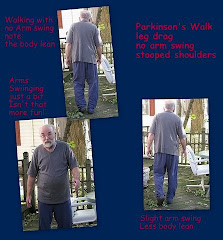
The disease begins to manifest early in many people with seemingly unrelated symptoms such as diminished sense of smell (partial usually), depression, sleep disorders, foot or leg drag and lack of arm swing when walking.  In some people it can manifest as smaller handwriting (microphagia) and in women as pain in the neck or shoulders. About 75% of people with PD begin to have tingling or tremors in the extremities on one side of the body as a symptom which eventually sends them to the doctor for a diagnosis.

The tremors and actually most of the above precursor symptoms manifest because of chemical imbalances in the brain. Parkinson's is usually diagnosed after the death of about 60-80% of the dopamine neurons in the substantia nigra pars compacta of the basal ganglia.  But before PD can actually develop a significant number of norepinephrine neurons must die also.  As a precursor of norepinephrine, dopamine is the target area for PD treatment.

The predominant motor symptoms are defined by the acronym TRAP.  Tremors, Rigidity, Akinesia (Bradykinesia) and Postural Instability all movement related. 


What's Going On?
Essentially it is the lack of balance or homeostasis between acetylcholine (which is in its normal abundant state) acting as an excitatory neurotransmitter and the diminishing supplies of the primary monoamine transporters dopamine, norepinephrine and serotonin, which serve as a message inhibitor. In other words the acetylcholine instructs the muscle to act or tense up while the dopamine sends the message to relax.
When the relax message cannot be sent as often, the rigidity and stiffness, the tremors and dyskinesias which typify PD, are seen. The stiffness can result in cramping and a little discussed symptom of Parkinson's known as pain. Usually treating the symptoms will relieve some of the physical pain.

Although the norepinephrine tries to take up some of the slack, there are fewer norepinephrine neurons in the brain to begin with and so with fewer precursor cells to make it, it too has been degenerating.

The why of dopamine cell death is being researched now and although there are some differences of opinion, it is thought that the cells die possibly when excess calcium in the cell causes the dopamine to leave the vesicle too early to be used and by hanging around in the cytosol it combines with alpha synuclein to become a gummy mess and ultimately die.  Dopamine continues to die throughout the course of Parkinson's disease.
 
It's not all in the family 
The disease is not contagious and at this point has only been identified as being about 15% or at most 20% genetic. Because there are several genes which have proteins mutations (doubled or triples) associated with PD and because they are each more common to specific geographic areas for specific gene lines although there are almost certainly trade route connections and migration or emigration patterns.

Despite the genetic research for PD, it is still called an idiopathic disease because the primary cause is unknown. There is YOPD, young onset PD and Juvenile Parkinson's both of which are felt to be predominantly genetic in origin.There are also other categories such as LBD or Lewy Body disorder which can occur before Parkinson's with parkinsonian symptoms developing later as well as PDD, Parkinson's disease with dementia in which the PD occurs first.

Even the genetic cases in older adults appear to have an environmental trigger. Parkinson's symptoms can also be drug induced. Other triggers include severe head trauma, certain heavy metal exposure, certain chemical exposure. It is difficult to establish if stress is an early contributor or a body reaction to the subtle loss of homeostasis.

When the cause is genetic, Parkinson's can be autosomal dominant or autosomal recessive. There is no reason to cast blame as the genes can be hiding in the woodwork just waiting as the disease can skip generations.

We Are the World 
There are other areas of the world which appear to have a lower incidence of Parkinson's disease. That may be due to a few different reasons, however, there are places where there is a high prevalence due to oddities of diet which cause parkinsonism if not PD.

PwPs around the world are generous in sharing their experiences with others.  Support groups abound and fund raising never stops because so much funding is needed to support research for better treatments and cures.

There are signs everywhere
Parkinson's is also known as primary parkinsonism because it appears to be a collection of symptoms which manifest in different ways and combinations in different people. Parkinson's is a disease which can cause any combination of the symptoms.

Tremors, slowness of movement (bradykinesia), stiffness and rigidity, swallowing and choking issues, change of voice, lack of facial expression, dyskinesia and dystonia (especially as a medication side effect) leg drag, lack of arm swing, urinary issues (such as incontinence, urinary frequency and urinary hesitancy) constipation, erectile dysfunction, dental problems, vision issues, loss of sense of smell, depression and apathy, hallucinations (usually a side effect of medications) dementia, cognition issues, drooling, breathing problems, postural instability, parkinsonian gait, freezing of motion, microphagia, change of skin condition (dry, oily) and the list goes on.

Symptoms and disease progression of the disease result in the inability of the patient to perform tasks of daily living and eventually unable to feed themselves or eat.  The end stage symptoms can require feeding tubes and nursing homes.

One unusual feature of the disease is that many of the physical symptoms begin on one side of the body only, unilaterally.  Tremors are usually resting tremors, meaning that the person is not initiating an action.  As the disease progresses, the symptoms begin to appear bilaterally.

Can we make a difference?
Certain treatments can delay the progression of the disease.  Slowing the progression of all PD cases is crucial.  Some people have a slower progression of the disease than others but until there is a cure, the slower the progression, the better the quality of life. Other medications target specific symptom relief via dopaminergic action.

What Parkinson's becomes is an insidious disease which can steal normal body function from people and replace it with huge expenses, create additional family stress and adjustment, subject people to public ignorance and ridicule.  It is also amazing to know that it is a disease with a surprisingly low suicide rate, surprising when you consider that at least 40% of PwPs have PD depression. But it is also a disease of hope.

Although current medications and therapies help to relieve symptoms or slow progression, different people respond in different ways and much attention to detail is required by both patients and physicians. Patients and their caregivers learn to be their own best advocates, with special thanks to the printers attached to their computers.

Is there light at the end of this long tunnel? 
There is much ongoing research by some of the best scientific minds in the world. At least one medication in the pipeline shows serious promise.  More is being learned everyday as scientists worldwide are exploring and sharing small and large aspects of the causes, treatment targets, improvement of existing treatments. While the cure may be years or a couple of decades away, the body of knowledge is increasing and with it the hope that when the cure(s) are found that the regulatory bodies will fast track them for the people who have lived with hope for so long.

2014 Addendum:
It is now known that there appear to be two types of Parkinson's disease. The first type is the one which we commonly identify with the disease and that is motor symptom predominant.  The other type, the one in which medication should be initiated as soon as a diagnosis is made is non-motor symptom predominant PD. The latter can be a real fooler because the symptoms are subtle, easily attributable to other conditions.
We've all read the warnings about beginning L-dopa treatment early because the wearing-off times can begin often with even worse motor side effects, but in non-motor symptom predominant PD, there isn't a minute to spare.
At the time of the original posting of this article, this information simply was not available.

Thursday, July 16, 2009

Massage Therapy: Adjusting to Parkinson's Disease Progression

Medical Massage for PD Symptom Relief

Yesterday I was at both the exercise and massage therapy centers to workout and get a Swedish massage. I love getting the massage. The feedback is so immediate.

At every session the massage therapist interviews me for a few minutes about how I'm feeling emotionally and physically. I described to her how I feel about noticing some progression in my condition i.e. a few symptoms manifesting on the right side of my body in the last few weeks, although I noticed none this past week.

What I have noticed in recent weeks is more difficulty getting in and out of the car as well as the bathtub/shower. I told her it was depressing, but she pointed out some symptoms which had improved recently. My left hand no longer forms a claw and the arm is more flexible and relaxed. My voice is lower and stronger. She reminded me that I'm getting this improvement and I'm only taking 2 Parkinson drugs, Azilect and CoQ10...well 3 if you count the DynaCirc CR...which I certainly do.

These days I have to use all my strength to get on the massage table face up. Another strength and mobility/flexibility decline in my condition. I eventually struggled up and over wondering why some things get better while others get worse at the same time. But I know it's because the progression isn't the same in all parts of the body. I'll need to identify the muscles involved in the problematic areas and work on them at the exercise center.

After I've undressed, the massage therapist comes from her office and checks my position on the massage table. She has me make adjustments if necessary, positions the draping sheets and tucks them in.

The massage therapist begins the massage on my neck and shoulders which are usually very stiff. She stands at my head and uses rhythmic, gliding strokes to massage my shoulders and neck. She moves my head to one side then the other. She strokes firmly from the top of my shoulder releasing tension in my neck. I've been doing Yoga exercises for my neck every day and that seems to be helping hold the line.

Next she spreads massage oil on my chest and arms and massages the front of my body with long flowing strokes. The strokes are continuous, flowing one to the next. She spends time on my hands and especially my fingers where I have a light tremor, my first recognized sign of PD. Then she stretches and flexes my shoulders and checks the range of motion through both arms.

With her help I roll chest down - another maneuver once easier but now difficult on the narrow table. Moving around in bed has not been easy for me since before I was diagnosed. While I'm on my stomach she oils my back and massages my shoulders, back, legs and feet alternating with flowing and kneading strokes to reach deeper tissues. She spends more time with the muscles around my knees because that's where arthritis pain bothers me a lot.

After a series of table vibrations or oscillations, she rings the Tibetan bells signaling the massage is over.

Although the painkilling effect of massage is generated by the production of endorphins, my body is deeply relaxed by the skin to skin contact of the massage. The therapist leaves the room while I dress and then returns for a few minutes of debriefing and a glass of water which helps remove toxins released by the action of the massage.

I leave the building and walk more steadily and calmly into the sunshine to the car.

Thursday, June 11, 2009

Weight Loss and Parkinson's Disease

Between Too Rich and Too Thin with PD, I'll Take...

I know that my wife's Grandmother ascribed to the concept that you can't be too rich or too thin but I'll have to take exception here to the fact that you can be too thin. For Parkinson's disease maintaining a normal weight is important to maintaining some modicum of health.

Unexpected weight loss can be an early indication of parkinson's disease or it can be symptomatic of the progression of the PWPs condition. Parkinson's patients who are thin with a low BMI (Body Mass Index) are at a significantly higher risk of dementia especially if they already have some dementia symptoms.

It is difficult for some parkinson's patients to maintain weight especially when they are taking sinemet/levadopa medications and want to confine their protein consumption later in the day. They may be avoiding tyramine containing foods (the cheese syndrome avoidance for MAOI-A) and when they can't eat some of their favorite foods, eating isn't as much fun. And late-day protein can lead to night time symptoms which can be dangerous and frightening.

At the physical therapy center where I exercise there is an accurate doctor's balance beam scale which many members use every day to keep track of their weight. Since a rapid change in weight can be a serious problem, we monitor sudden or surprise weight changes which need to be addressed with a visit to the doctor. Patients and caregivers need to report sudden weight changes to the doctor or nutritionist to work on solutions immediately because the body will use muscle for fuel before fat in an attempt to survive.

A slow loss of weight can be due to several things, the weakening/stiffening of the muscles caused by PD. When stiffness lowers a PWP's ability to swallow, proper diet may suffer. Difficulty cooking for and feeding oneself also contributes to weight loss - can't do it so why bother? Medications can change the taste of food and the fear of choking can scare them away from foods like broccoli, bread and pastas, vegetables, proteins.

In some patients, depression and apathy deaden the desire to eat. Some are embarrassed by how long it takes them to finish eating and stop before they are done. Some eat improperly or don't because they have lost their senses of smell and taste which diminishes the pleasure of eating. While others simply don't have the money or know-how to eat properly or cook with seasonings to make food palatable or easy to swallow. And still others have dental problems specific to PD.

Although some people exhibit weight loss before they are diagnosed, at least one study found that many people lost weight in the early and advanced stages of the disease. In a Mayo Clinic study they observed unexplained weight loss in women for a 10 year period prior to being diagnosed with Alzheimer's disease. There was speculation that it might have been a steadily growing lack of interest or possibly post-menopausal hormone changes as there was no comparable observation about men.

Not getting enough calories and proper nutrition can lead to serious problems down the PD road. As the body weakens, symptoms can progress more rapidly. In the late stages poor nutrition can lead to bedsores, dehydration and eventually PEG tube feeding. Not having the energy to get through the day is a serious issue. Symptomatically and systematically Parkinson's disease can impede the nutritional process from eating (delivery) to elimination.

So yes, Gram, you can be too thin, it's called Failure to Thrive (FTT) and it's found in premature infants with underdeveloped digestive systems, in the very elderly and in the chronically ill. When we lose weight unexpectedly possibly 10% of our body weight in 6 months, that's what it is: failure to thrive. And it needs to be treated.

Note: the pictures of my late father-in-law were taken 4 years apart. He had a heart condition. Following cardiac arrest, he underwent bypass and pacemaker surgery but a few months later had a debilitating stroke. Following the stroke he gradually stopped eating. We miss him, we miss his presence.

We'll pick up this up tomorrow with a discussion about weight loss influences of PD medications, symptoms for caregivers to watch for, diet issues, dental problems and other specific PD issues. See you then.

references and reading:
http://www.ncbi.nlm.nih.gov/pubmed/19117356
http://www.ncbi.nlm.nih.gov/pubmed/12731005

Saturday, June 6, 2009

Pain and Parkinson's Disease

PD Is No Laughing Matter but Smiles and Laughter Can Help Ease the Pain
My husband has PD and I can tell you that his body aches nearly every day. As a matter of fact it was an odd sensation/pain running up his thumb that took him to the doctor for a diagnosis.

When you think about the variety of PD symptoms it is not surprising that there would be pain associated with increasing muscle stiffness. Although not everyone experiences all of the wide assortment of symptoms, as the disease progresses, probably every PWP will experience stiffness. And with the stiffness, the dystonias - the unwilled muscle contraction - comes twisting and pain, cramping and pain. But there's more.

Of interest is that even though Parkinson's disease usually begins unilaterally, pain can be bilateral. Also of interest is that men with Parkinson's have a higher perception of pain - lower pain threshold. Not by much, however. Steve's massage therapist says that the tension in the chest muscles on his bad side causes a pull and therefore pain on the good side.

The body posture of the Parkinson's shuffle can cause pain in the neck, shoulders, back, hips as the body maligns itself. Headaches are another result of this kind of pain.

PD pain can come from non-motor areas as well. There is neuropathic pain which can cause tingling, burning, numbness, sharp pain. The Parkinson's Disease Foundation breaks the causes of PD pain into five areas: Musculoskeletal, Non-Motor, Dystonia, Akathisia "discomfort due to extreme restlessness" and "a rare pain syndrome known as "primary" or "central" pain, arising from the brain." Depression can also cause and/or heighten sensitivity to pain.

Pain is not a punishment for having a disease. It is a symptom and/or a side effect and it should be addressed by you and your doctor. In some cases pain could be a side effect of medication or medication "off" times but by adjusting the dosage the pain can be lessened.

Lowering stress levels can also reduce pain. Adjusting the body through exercise and massage therapy can make a real difference. To counteract the pain of rigidity, my husband goes to exercise therapy and gets a weekly massage specifically addressing the target points of his stiffness: his bad side shoulder, neck and left leg in the course of the full massage. In between we have small hand held massagers that really do help his neck and shoulder even when only used for a few minutes at a time. At night he uses a heated mattress pad. Electric blankets don't work as well here because dogs have an affinity for chewing them...don't ask.

He does his breathing and voice exercises but not as often as he should. He does those not only to be heard and understood but to avoid the panic of choking and the fear of dying that way. So he is relieving a stress producer as well.

I can't stress the importance of exercise to stretch the muscles, help the body resist the stiffness, punch up the endorphins, resist the pain. Nor can I overstress the need to warm up slowly...not to hyper-extend...because you've already got enough pain. About exercise: ease into it and then persist. You may see some results and then plateau - that doesn't mean it isn't working. Just stay at it. But mean it. Don't just go for the motions. Don't lie to yourself. Don't be an exercise potato. You actually have to work at it. Otherwise you might as well just watch a a cooking show instead of an exercise video.

There are other courses of treatment including Forced Exercise which if done properly can abate symptoms for a couple of weeks: Aqua therapy (swim therapy); Dance therapy - amazing to see PWPs leave their walkers behind to dance - Breathing and Voice therapy, and one of the best, Yoga. Yoga for movement, posture, balance, mind, flexing the right muscles to for relief of constipation, breathing, anxiety-tension relief, depression all of which aid sleeping.

Who would have suspected that the PD associated sleep disorders might actually be a contributory factor to increased pain. A cancer pain study conducted in Tennessee recently demonstrated that lack of sleep/sleep disorders may make pain worse in cancer rather than the other way around which was expected.

Successful Deep Brain Surgery can result in the reduction of both meds and symptoms. This reduction can mean a reduction of pain or the absence of pain. Permanent acupuncture can also result in a reduction of symptoms and consequently... There are other therapies in the pipeline which may seriously impact symptoms with the same pain reduction ensuing.

A few words about TENs machines (transcutaneous electrical nerve stimulation) I can't find anyone who has had success, including Steve, using one. If you have used one, we'd all like to read about your experience in the comments section.

We know that cannabinoids and cannabis components do assist with certain kinds of symptom relief as an anti-spasmodic and muscle relaxant. Parkinson's Disease is on the medical marijuana list in the states which have that understanding. In a 2004 study which involved THC, a cannabis component, demonstrated the possibility that it will help with PD pain as well as ALS spasms. At present Riluzole (the only FDA approved med for ALS) extends life from 2 - 3 months. In mouse studies, THC prolonged life for a human equivalent of 3 years or more. There are several cannabinoid receptors in the human body waiting to help with pain and stress reduction.

Laughter is a great stress reliever. If you've ever laughed with your entire body and soul, you know what I mean. You feel euphoric afterwards. Because that laugh really got your endorphins going. With those natural pain killers aroused everything else disappeared into the background for a few minutes. The smiles can come from whatever, wherever. We need them. For big smiles I go outside to watch the dogs play together. Sometime Rita picks up one of her stuffed toys just to get Harry to chase her or play tug of war...which accounts for the loose heads, limbs and stuffing around the yard. The day she "found" the dead squirrel, I quickly called a halt to that tug of war...but we were laughing anyway.

So when you hear people say that you need a sense of humor to have Parkinson's, they're not kidding around...or maybe they are.

references and additional reading:
http://www.pdf.org/pdf/Pain%20in%20PD.pdf
http://www.cmellc.com/geriatrictimes/g001029.html
http://en.wikipedia.org/wiki/Laughter

Saturday, May 9, 2009

Parkinson's Disease As a Line of Duty Disability

Indiana the 1st State to Recognize the Job-related Risk Factor of Law enforcement Officers, Firemen and EMS Responders to PD

With strong bi-partisan support the Indiana House and Senate passed a law granting enhanced benefits to policemen, firemen and EMS workers. The law will require the presumption that Parkinson's disease is a line of duty disability under the emergency responders pension and disability plan. SB 376, signed by Gov Mitch Daniels this past week will go into effect July 1, 2009.

The issue was brought to public attention primarily by firefighters who contended that exposure to burning chemicals can cause early onset Parkinson's or YOPD which affects people between 21 and 50 years of age. Emergency responders who are disabled in the line of duty are entitled to greater benefits than those with other disabilities. Indiana was the first state to pass the issue, which is being lobbied by emergency responders in several states and as well as by Vietnam veterans.

Studies have recently shown that toxic smoke inhaled by responders at a burning building can increase the risk of Parkinson's. Toxic exposure from burning chemicals is an unusual circumstance that can trigger an early onset of Parkinson's disease.

Gary Coons a retired firefighter with a line of duty disability was the leader in organizing and supporting the legislation. He sees a need for providing more information to firemen in other states and countries and has developed a website Firefighters with Parkinsons Disease.org which receives hits from all over the world, from firefighters seeking information that will help them protect themselves.

In the general population the rate of diagnosed PD is 1 to 1.5 per 500 people. Of those the rate for YOPD is 1:20. Firefighters have a rate of 15:500 for developing Parkinson's disease.

It is both interesting and sad to note that Mr Coons exhibited many symptoms of Parkinson's while he was being treated for the shoulder and back injuries related to line of duty injuries.

In 2005 he had spent 3 days investigating a fire at a paint factory and because no SCBA was required, he was exposed to several toxins. He became symptomatic that same year which is unusual for PD except in the case of toxin exposure. Although he consulted his doctors about the symptoms, no one identified the symptoms as anything but injury related. Mr Coons received the diagnosis two years later after he and his wife decided to consult a neurologist. He was 33 years old.

September 2009 Update: Follow this link to the Toxic Causes of Parkinson's disease:

Saturday, March 21, 2009

The Nose Knows

Loss of Sense of Smell in Parkinson's Disease

I noticed I was losing my sense of smell before I realized I had the symptoms of Parkinson's disease. For many PD patients that loss is their first inkling that something is wrong. Over 20 million people suffer from loss of sense of smell in the US. It can be caused by allergies, viral infections or chronic neurological conditions such as Multiple Sclerosis, Alzheimer's or Parkinson's disease.

The sense of smell is part of our chemical sensing system. Sensory cells in our noses, mouths and throats help us interpret smells and the favors of food and drink. Microscopic molecules released by the plants and foods around us stimulate these sensor cells to signal the brain which is where scents are identified.

The loss of the ability to smell can be dangerous. We are warned of a fire by the smell of smoke. Smell is often the first warning of a natural gas or propane leak. More important is that the loss of sense of smell is a warning of impending health problems: obesity, diabetes, hypertension, malnutrition, Parkinson's, MS, Alzheimer's can all be signaled by the loss or partial loss of the sense of smell.
Loss of the sense of smell as well as the sense of taste is a PD symptom that can also cause depression. As the pleasure derived from tasting and smelling wane, the world can seem a bit less interesting. Without even realizing what it is that we miss at first, we know that a source of pleasure has disappeared from our lives.

It's been 10 or 15 years since I have been able to sense smells normally. I seem to be lucky that I can still taste foods with my mouth and throat aided by freshly ground red or black pepper or curry powder. Mostly I try not to agonize over my lost senses. I think the best answer is to try developing a love for remaining senses.

Some people can be treated successfully. A drug interaction could be the cause of olfactory loss might be correctable. Changing a medicine might work or for some a spontaneous recovery might be caused by the regeneration of the olfactory neurons. I tried zinc ascorbate last month and it did restore some slight ability to taste and smell but my wife took it away from me after 30 days telling me that I would have to wait a month or so before using it again for 30 days.

Some people have found that by taking theophylline, a broncodilator to relax smooth muscle contraction, they have regained their sense of smell. This is not recommendation, it is an observation indicating that there will be safer pathways developed.

Olfactory research is going on at universities and medical centers across the US. Some research is showing scientists how the parts of the olfactory system which sense and identify smells interact with other physical and neurological parts of the olfactory system.

Perhaps, as the result of treatments developed in the next few years, I will be able to sit with my wife and savour a meal that I will remember the rest of my life, like the one in Montreal 40 years ago that I'm remembering now.

Addendum  2010
Refer a friend or relative to the PARS - Parkinson Associated Risk Study.
Although the study initially wanted people with first-degree relatives, they soon found that it didn't make a difference if the person was a relative of a PWP or not.  While they prefer people over 60 years of age, people with a family member with PD may be eligible if under 60.
The goal is to study early warning signs.  We all know that early diagnosis means that treatment can be initiated sooner.  Now that we know there is more than one treatment or therapy which might slow progression, early diagnosis becomes more imperative.

Addendum 11/2015
New Parkinson's disease diagnostics are being developed by a 4 continent task force, the International Parkinson and Movement Disorder Society (MDS) task force. 
According to a Foxfeed blog entry posted by Maggie McGuire Kuhl on 11/23/2015, Dr Robert B Postuma of Montreal General Hospital had this to say about using loss of sense of smell in both diagnosis and in differential diagnosis.  
It’s a supportive criterion because we know that 80 percent of Parkinson’s patients have lost their sense of smell. And up to 80 percent of people who have alternate causes (PSP, MSA, essential or dystonic tremor) have normal smell.

Thursday, October 16, 2008

Swim Therapy for Parkinson's Symptom Relief

8:00am is kind of early for me now since my Home Depot days of the 2:30am alarm clock. Nevertheless I was awake and walking through a light rain in the parking lot of the Peter B. Lewis Aquatic & Therapy Center headed for the front door. It was my first appointment there.

Inside the building the front desk personnel looked at my insurance cards, gave me a long medical questionnaire to fill out, a HIPPA briefing and an arm full of handouts. My therapist, Ron came out. He introduced himself and we walked back to an exam room where we reviewed my medical history.

I was impressed by Ron's knowledge of Parkinson's and his thorough reading of my medical record. He was really concerned that I wasn't using a chair when I take a shower. He told me that a lot of people only find out they have a balance problem when they fall in the tub and break an arm or fracture their skulls. He reminded me that falls are the number two cause of death of Parkinson's patients.

Next, I stripped to my briefs and Ron checked my strength and range of motion at a number of joints of my body. He recorded all this information in a laptop. Then he gave me a neurological exam that was as good as any neurologist has given me.

Finally he watched me walk and made some suggestions about how I could learn to take longer strides to eliminate the shuffle I have been developing. He pointed out that I was taking two striding steps but dragging my left foot on the third step. He said I would have to be aware of that drag which indicated the shortening of the stride so that I could step away from that drag to a normal pace.

Back at the desk Ron told me that he would design an exercise program for me. It would reduce my symptoms and allow me to do more physically. He gave me a twice weekly schedule for the next four weeks, told me to get some aquatic shoes, bring my swim suit and next week he'd start teaching me the exercises.
I'll keep you posted.

Friday, October 10, 2008

NIFEDIAC vs DYNACIRC

I am still living with the hope that a generic version of Dynacirc will become available soon.

Dynacirc CR is the calcium channel blocker which I had been taking until its manufacture ceased and none was available. Calcium channel blockers prevent calcium from entering the dopamine neurons, thereby preventing their deterioration. In essence this CCB causes a revesal to the more youthful saline environment.

I have already written about Dynacirc and the change of my meds to Nifidiac CC. Below is my comparison table to answer questions about the differences which I observed between the two. Both do cross the blood-brain barrier which is why they can affect Parkinson's symptoms.

I still have some hope that we will see a generic Dynacirc in November or thereafter if all of the patents have expired and any legal issues are resolved.

SYMPTOM NIFEDIAC CC NIFEDIPINE DYNACIRC CR
ISRADIPINE
Swallowing Not as effective Rarely choked
Mild dizziness-lightheadedness not as effective less often
Balance Weakening sense of balance Improved when taking
Stiffness - Rigidity - GaitReturning in foot, hand, neck Improved when taking
Tremor Not as effective Slight improvement
Erectile Dysfunction Might have improved Reviews say better
Energy and clarityNot as effective Improved when taking
Sense of smell and taste No change No change
Hearing and vision No change No change

Table explanation:

Difficulty swallowing is common PD symptom. It is a direct factor in the leading cause of death of Parkinson's Disease patients, aspiration pneumonia. Related to the inhale-exhale cycle, it has been learned that the normal adult pattern is to swallow during exhalation; PD patients often inhale during this process. If the result goes beyond choking, the lungs will inspire bits of foodstuff which can result in aspiration pneumonia. Dr. Roxann Gross, PhD at the University of Pittsburgh School of Medicine is currently working with PD patients to retrain and re-coordinate their patterns of breathing and swallowing.

Mild dizziness-Lightheadedness, a difficult symptom to describe is a side effect of any blood pressure medication. Because both Dynacirc and Nifediac are blood pressure medications, the side effect is not unexpected

Balance has more to do with the sense of balance. You feel that you are straight but in fact you are not. It is one of the reasons that I use a cane for protection against falling, the second leading cause of Parkinson's deaths.

Stiffness-rigidity often on one side of the body. Commonly seen in face, neck, arms, legs, hands and ankles and feet. I have stiffness in my left arm and hand and my left leg, ankle and foot.

Tremor is another typical PD symptom. It is the one symptom most commonly associated with Parkinson's. My tremor is just in my left arm. There was a time when it would manifest in my left leg when I was stressed but that did stop after I began to take Dynacirc.

Erectile Dysfunction is thought by some to be a causative factor and not simply a symptom of PD. I am being told that the ED was helped by the Dynacirc.

Gait is related to the stiffness and to balance. My gait is stiff and my steps shorter.

Senses of smell, taste, hearing and vision. I rarely can smell anything these days. Fortunately my wife doesn't make me clean the kitty litter boxes because of my balance issues. Although I have lost 95% of my sense of smell, I can still taste. I prefer hotter seasonings, however.
Energy and clarity were immediately increased to a level I had not felt in a few years when I began taking Dynacirc CR. I do not feel that same energy on Nifedipine-Nifidiac CC.